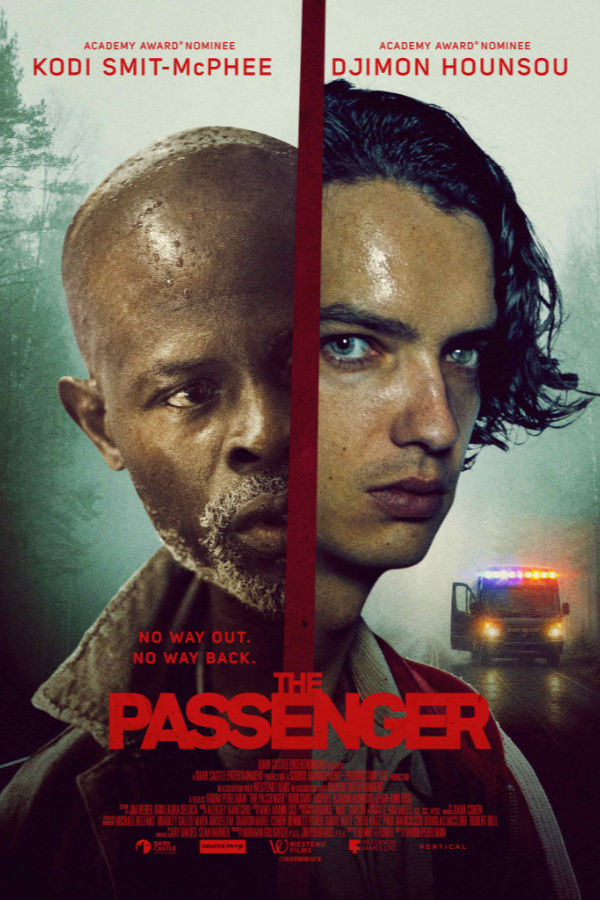


Two young music students attending the Boston Conservatory in 1917 bond over their shared love of folk music. They reconnect a few years later, embarking on a song collecting trip in the backwaters of Maine. A film by Oliver Hermanus, starring Paul Mescal, Josh O’Connor, Raphael Sbarge, Molly Price, Tom Nelis, Aedin Moloney, Dion Graham, Briana Middleton, Alessandro Bedetti, Emma Canning, Michael D. Xavier, Emily Bergl, Peter Mark Kendall, Sophie Hearn, Hadley Robinson, Michael Schantz, and Chris Cooper.
The HISTORY of SOUND
Oliver Hermanus
(2025)

In 1907, young Lionel Worthing (Leo Cocovinis), a music prodigy with perfect pitch, lives with his parents (Molly Price & Raphael Sbarge) on a family farm near Louisville, Kentucky. For as long as he can remember, Lionel has always been able to see music. He can name the note his mother coughs, the pitch of a dog barking across the field, or the key of springtime frogs.
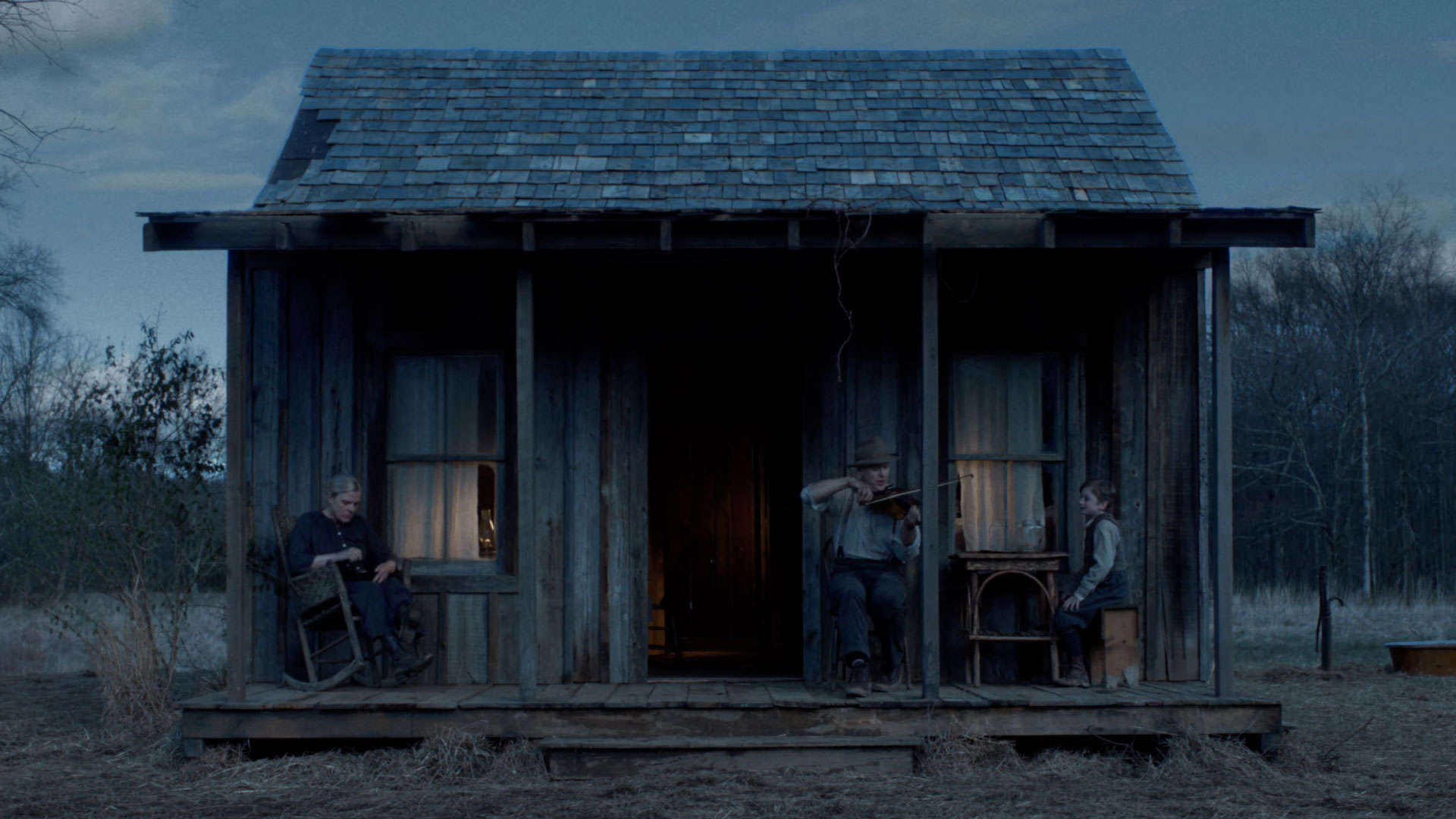
Lionel assumes everyone experiences sound this way, seeing yellow for D or tasting bitterness when his father plays B minor. When the town’s music teacher hears him sing, she writes to a professor friend in Boston, and Lionel soon leaves the farm on a scholarship to the New England Conservatory.
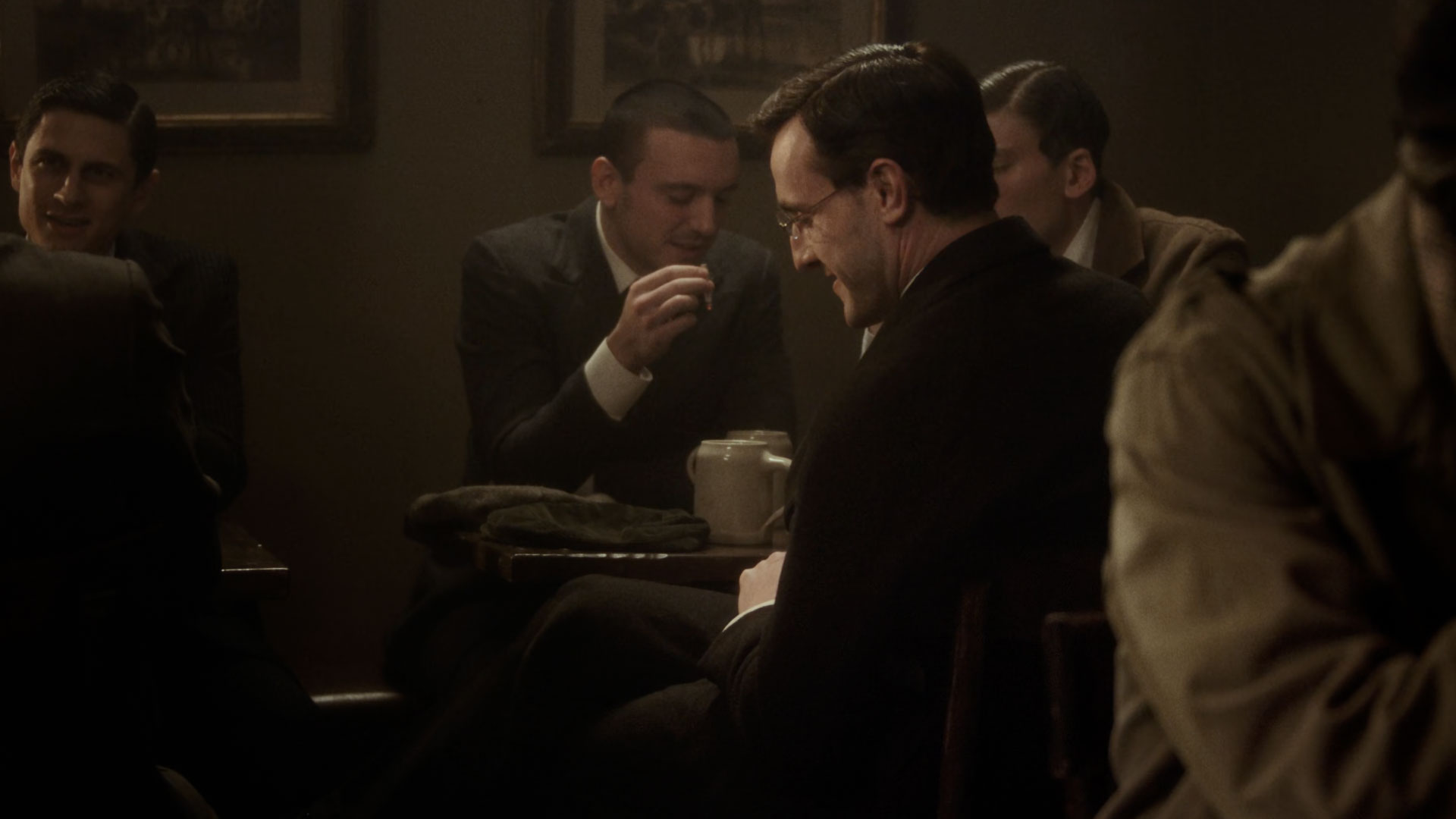
In 1917, seventeen-year-old voice student Lionel is at a pub with his friends when he hears a familiar song from across the room. A man at the piano is performing a tune his father used to sing back home. Drawn by the melody, Lionel leaves his table and approaches the performer, asking where he learned the song. The man says he picked it up from some forest in England. When Lionel mentions that his father sang it in Kentucky, the man looks intrigued and introduces himself as David White, a composition student at the conservatory.
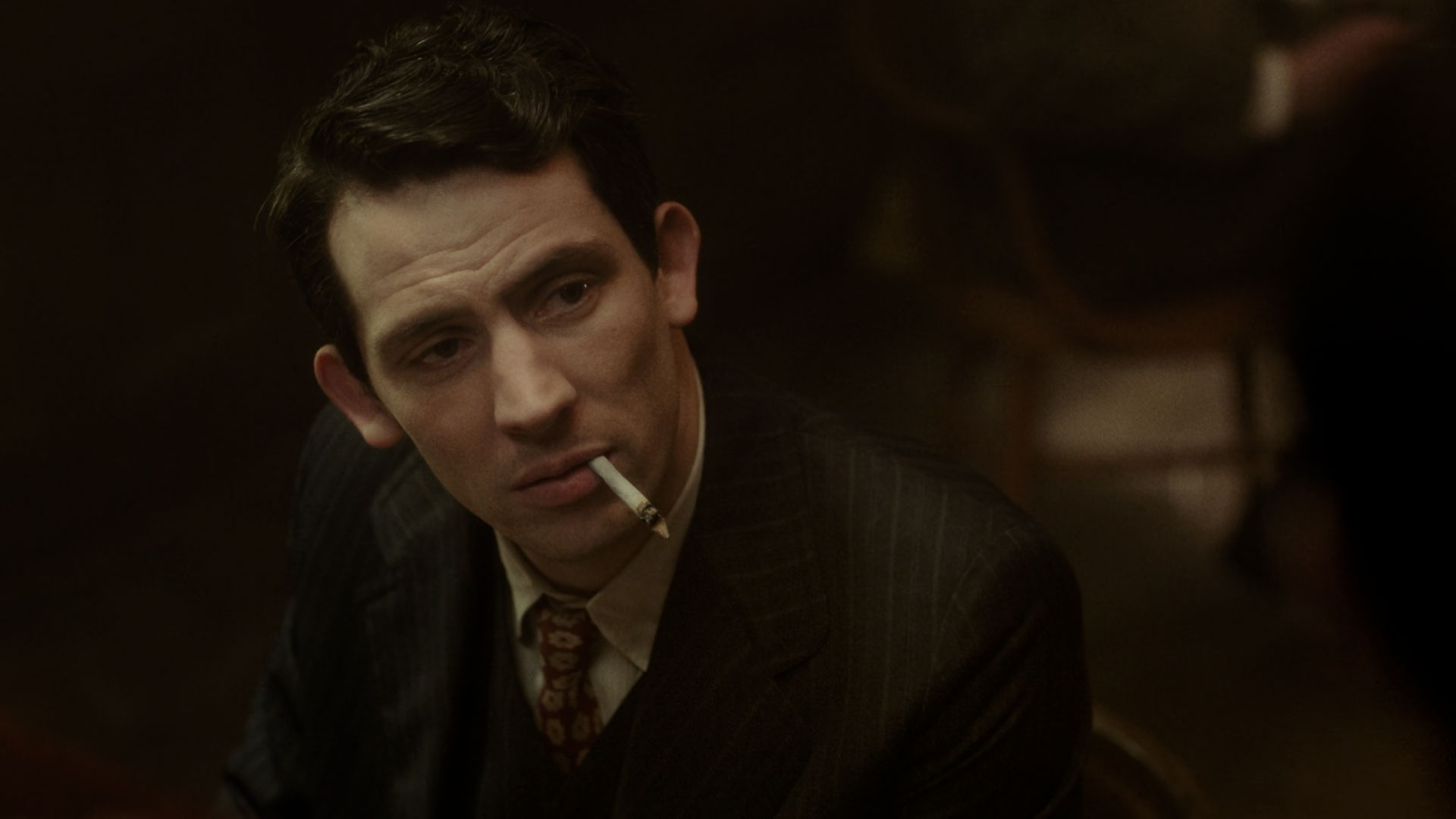
Lionel says he’s surprised anyone here would know songs like that. David explains that most don’t, but collecting folk tunes and ballads is his summer hobby. Curious, Lionel starts naming other folk songs, and David responds effortlessly with the lyrics as if they were written on the back of his hand. But David draws a blank on “Silver Dagger,” admitting he doesn’t know it.
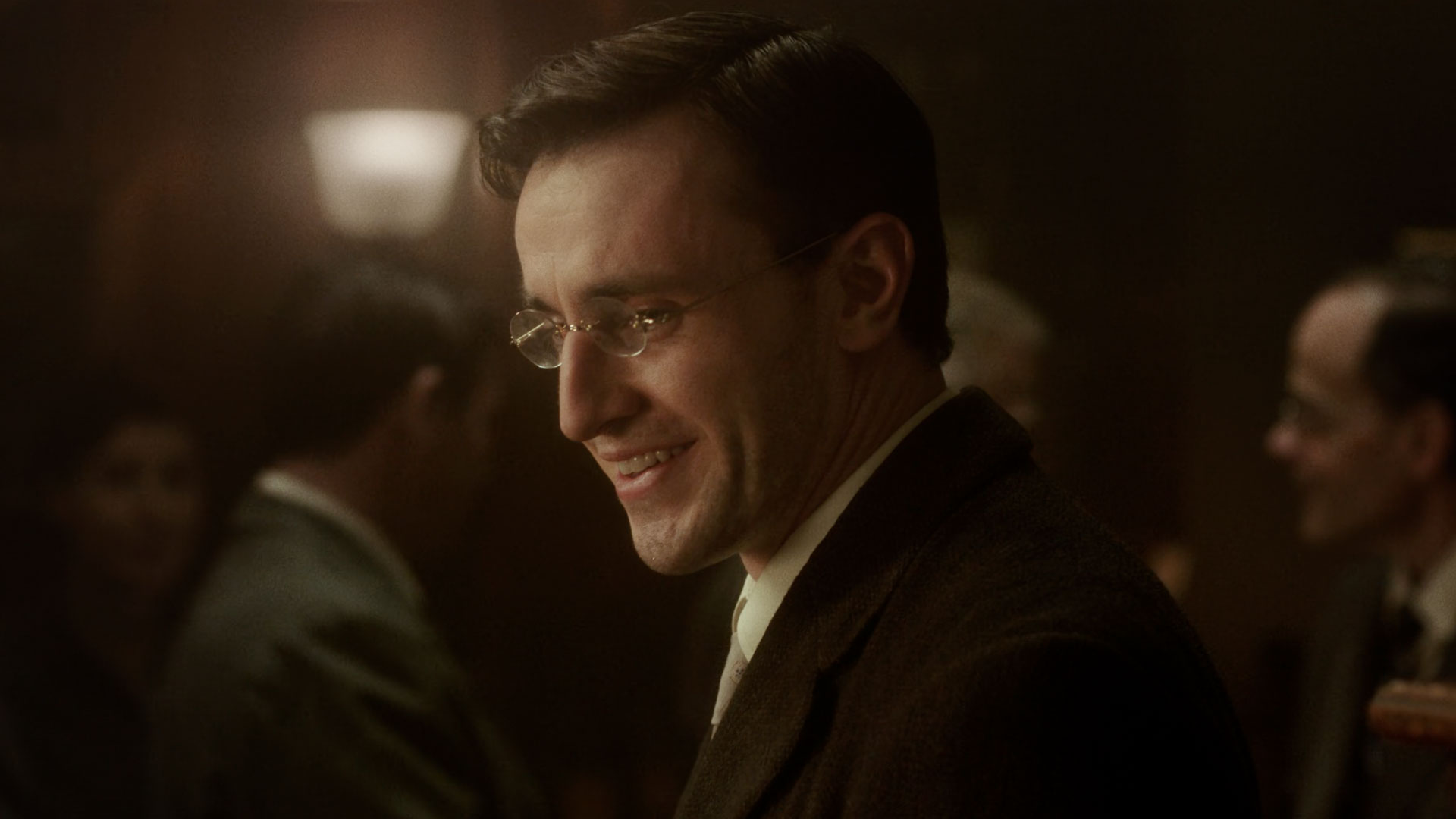
Lionel insists it’s such a pretty song that David should know it. David asks him to sing it. Lionel hesitates, saying he doesn’t usually perform in crowded, noisy places. David grins and shouts for the room to quiet down. With everyone now watching and no excuse left, Lionel starts to sing the song. David is mesmerized. The attraction appears mutual. Lionel is drawn to David’s mind, his photographic memory that can reproduce any melody after a single listen. After the pub closes, Lionel walks David home and they spend the night together.

Lionel wakes the next morning to find himself alone in David’s apartment. On the pillow beside him is a handwritten note: “Next Saturday?” The message suggests a weekly arrangement, likely because both are consumed by their studies. As full-time conservatory students, their weekdays would be packed with rigorous coursework, practice sessions, and classes, leaving Saturdays as their only real opportunity to meet.
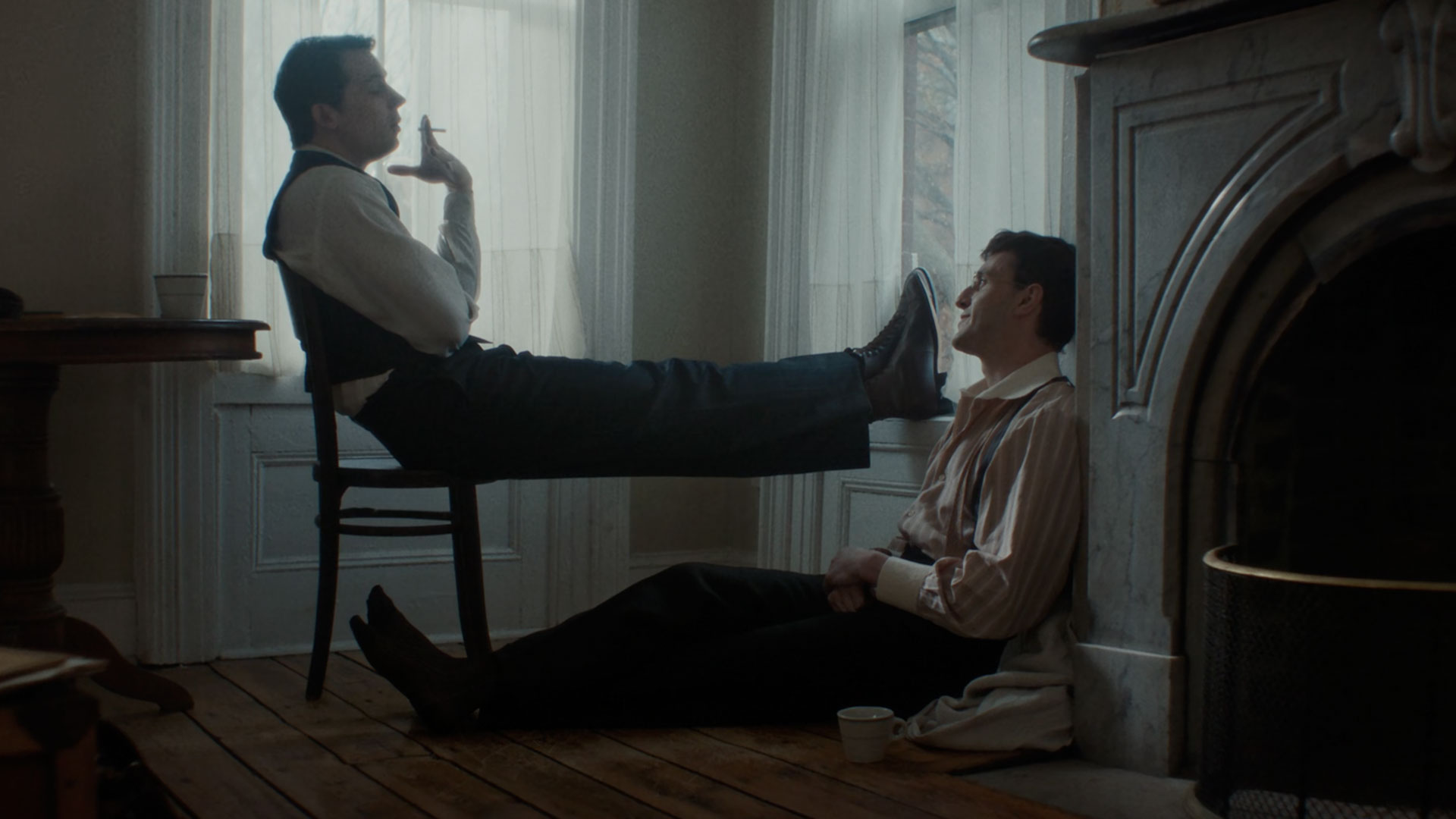
The following Saturday, they meet again at David’s apartment. David teaches Lionel “The Unquiet Grave,” an English folk song about the boundary between the living and the dead, and the dangers of excessive mourning. The ballad follows a man who grieves by his sweetheart’s grave for a year and a day, refusing to move on. His relentless sorrow eventually disturbs her rest, and her ghost rises to ask why he won’t let her sleep.
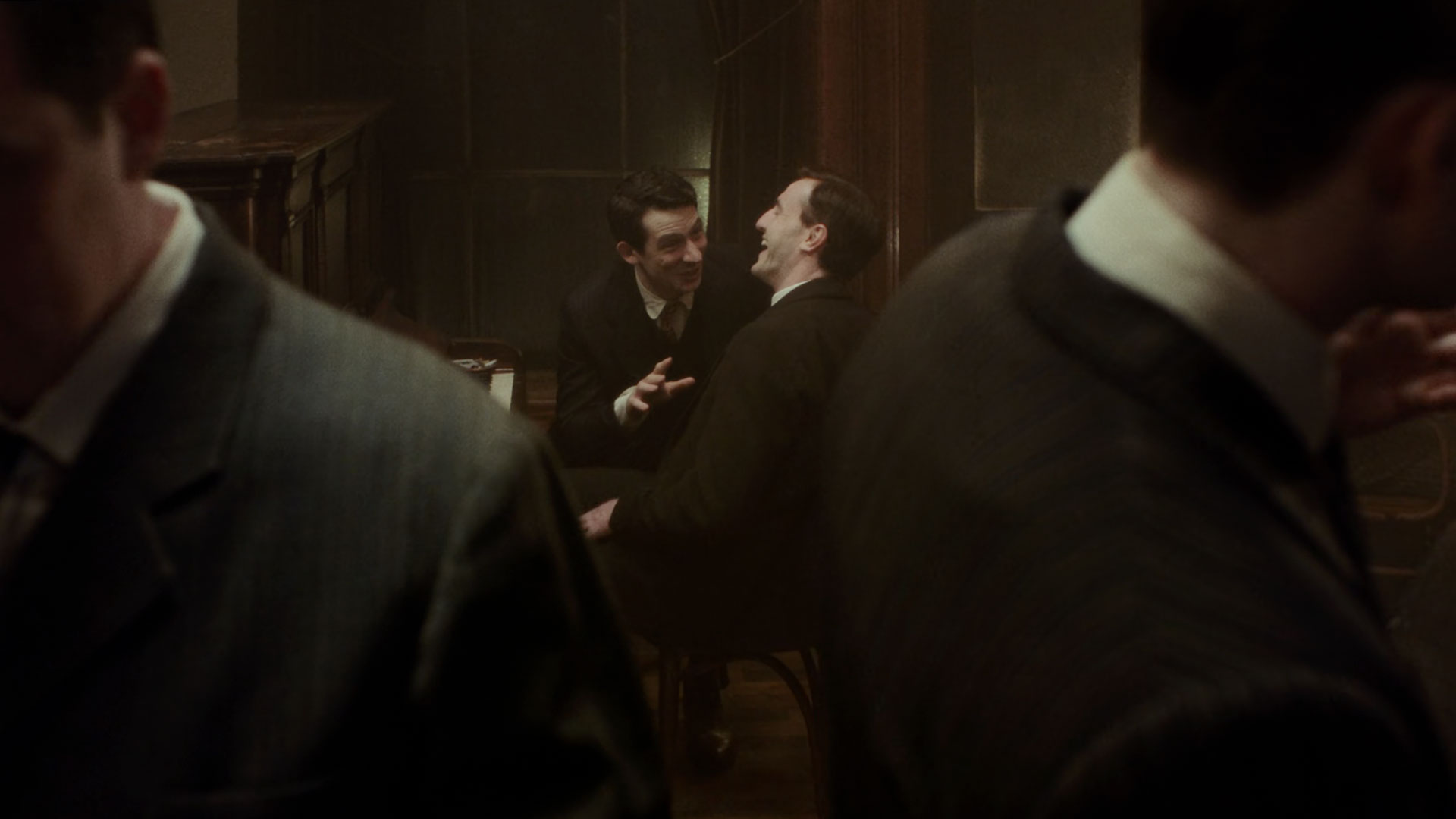
David shares that he grew up in Newport. After his parents died when he was eleven or twelve, he went to live with his uncle Silas outside London. He jokes about being momentarily unparented. David spent his days learning songs from Silas’s maid, asking everyone he met to sing for him so he could write the songs down. He remembers Silas taking him on trips through the Surrey countryside and during summers to the Lake District and Ireland. After Silas died, David returned to inherit his parents’ Newport house. Yet despite how openly David shares his story, it feels like he’s holding something back, as if he’s not telling Lionel everything.
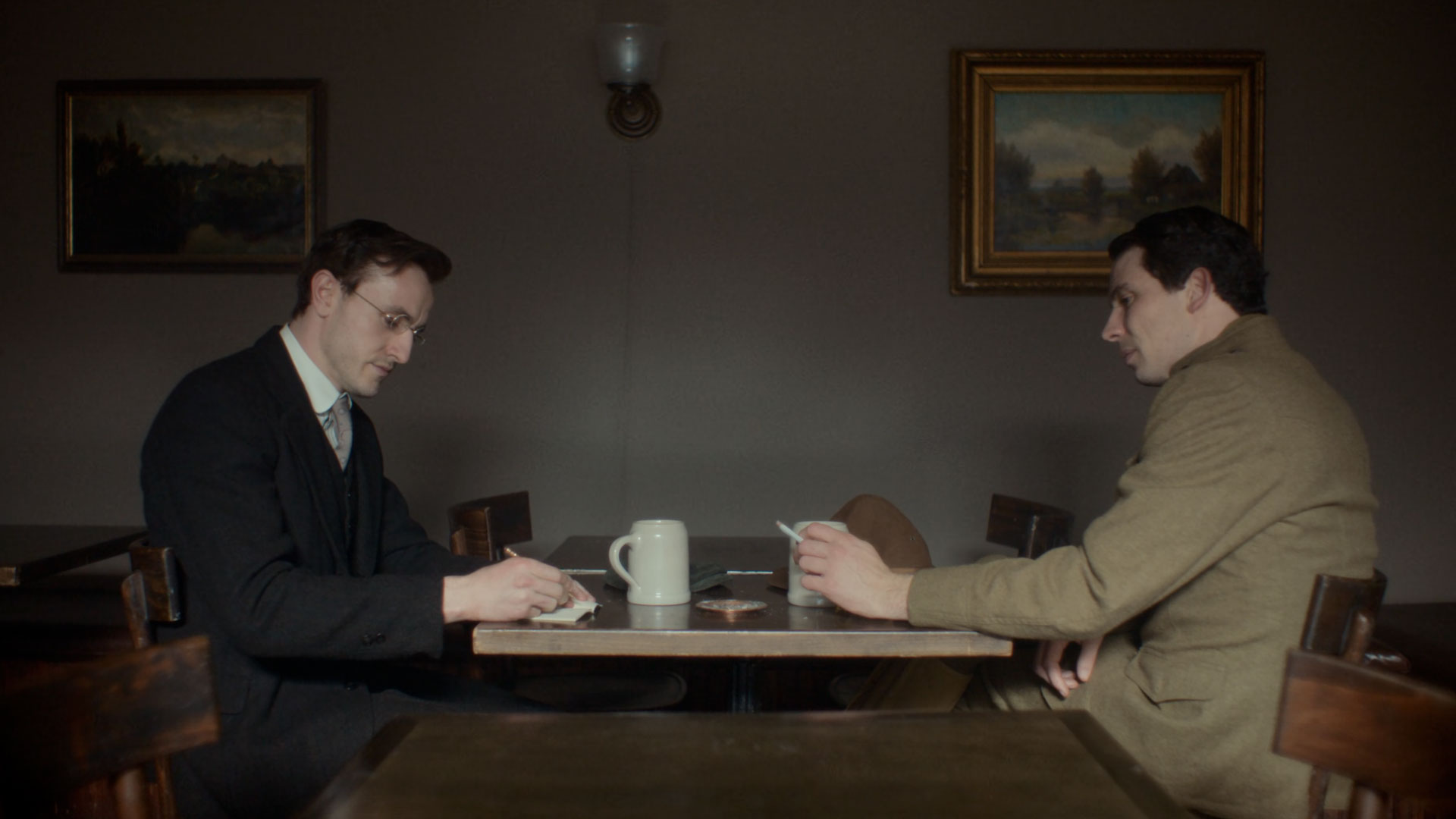
Later that year, the draft arrives. World War I has been raging in Europe since 1914, but the United States remained neutral for three years. After entering the war, the U.S. needed to raise an army quickly. The Selective Service Act, passed on 18 May 1917, required all men between 21 and 30 to register for military service. David is drafted and sent to Europe, while Lionel is exempted due to poor eyesight. With the conservatory’s classes suspended because of the war, Lionel is forced to return to his family’s farm in Kentucky.
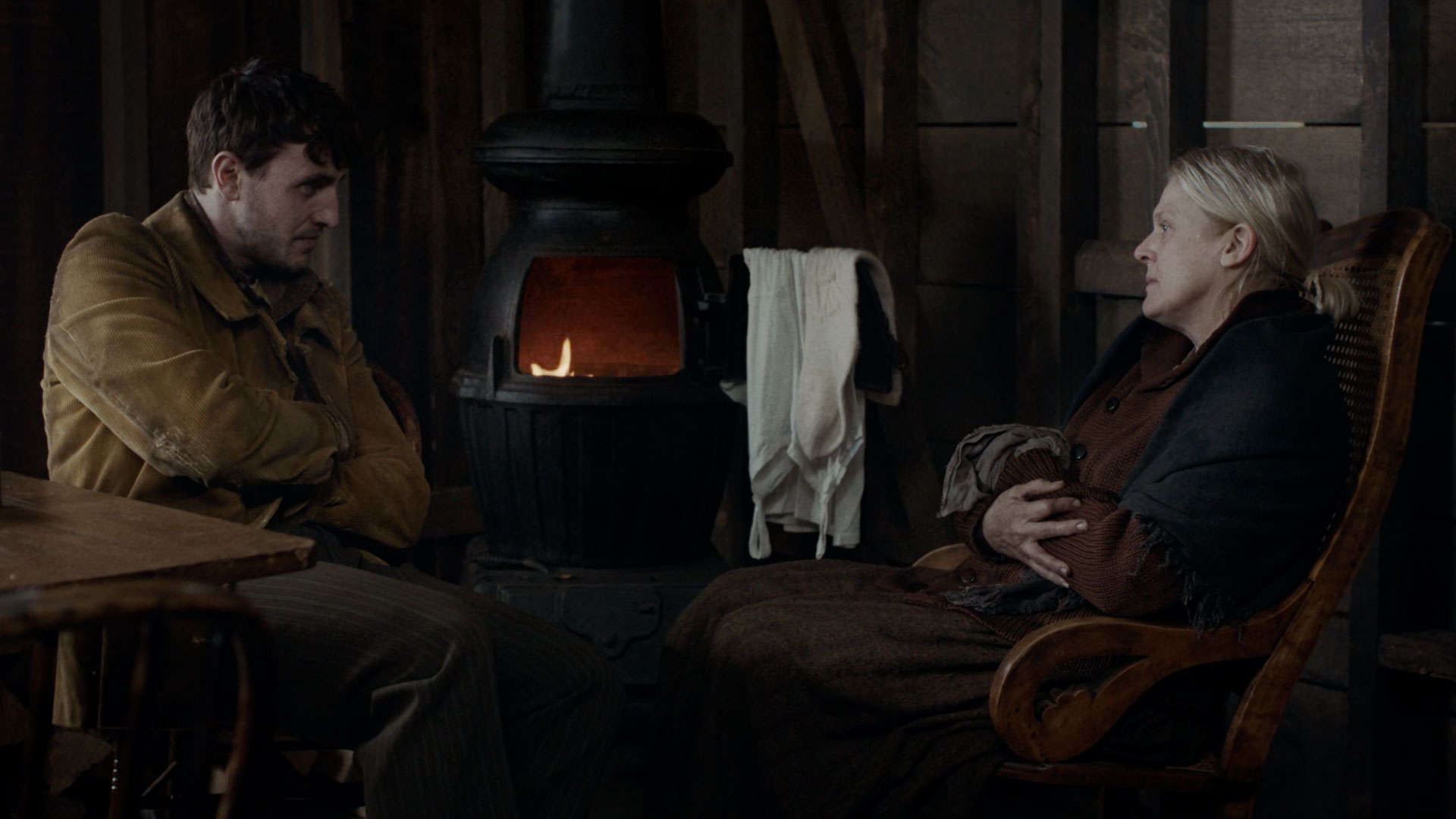
Shortly after Lionel returns home to work on the family farm, his father unexpectedly dies. In 1919, Lionel receives a letter from David saying the war has ended and he’s back from Europe. David now has a position at Bowdoin College in Maine, where the department head wants him to record folk songs in the northern wilderness for their regionalist studies. David invites Lionel to come along, asking him to meet on January first at the Augusta train station, insisting he can’t carry the Edison Phonograph by himself. Despite his mother’s declining health, Lionel decides to go, leaving her on the farm in his grandfather’s care (Tom Nelis).

The Edison Phonograph is the sound recording and playback device invented by Thomas Edison in 1877. It was the world’s first machine capable of recording and reproducing sound, revolutionizing audio technology. Edison conceived the idea while working on the telephone, using a tinfoil-wrapped metal cylinder, diaphragm, and stylus to capture vibrations from spoken words like “Mary Had a Little Lamb,” which the prototype played back successfully. Built by machinist John Kruesi in late 1877, early models used hand-cranked cylinders with vertical grooves for hill-and-dale recording. Improved versions from 1888 introduced wax cylinders, leading to the Edison Phonograph Company and mass production for home use by 1896.
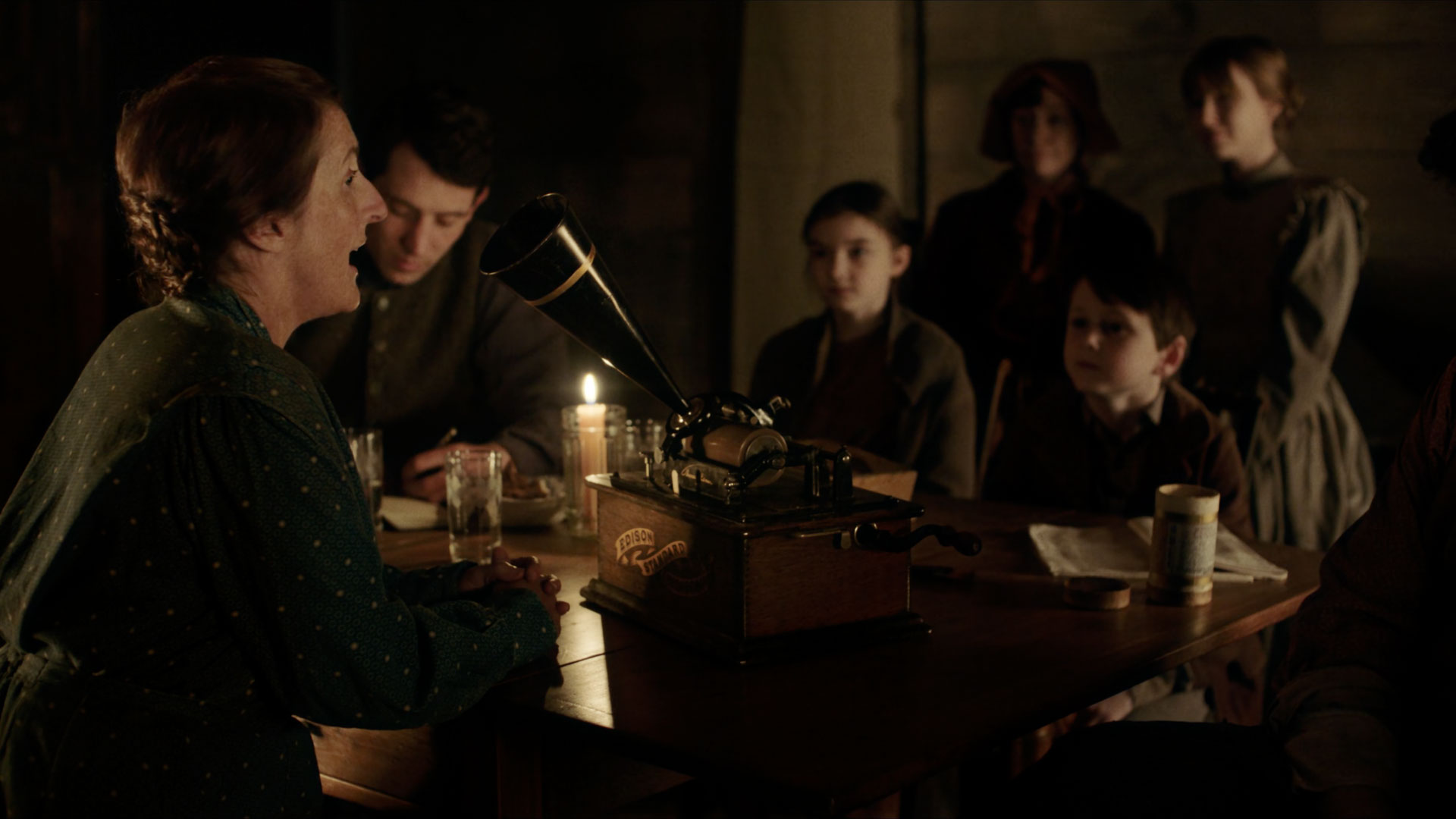
David’s plan is to travel north, then east, then south along the coast from Augusta, about a hundred miles total. He teaches Lionel how to operate the ancient recording machine the department provided, which captures sound on 36 wax cylinders. David will handle transcribing the lyrics himself.
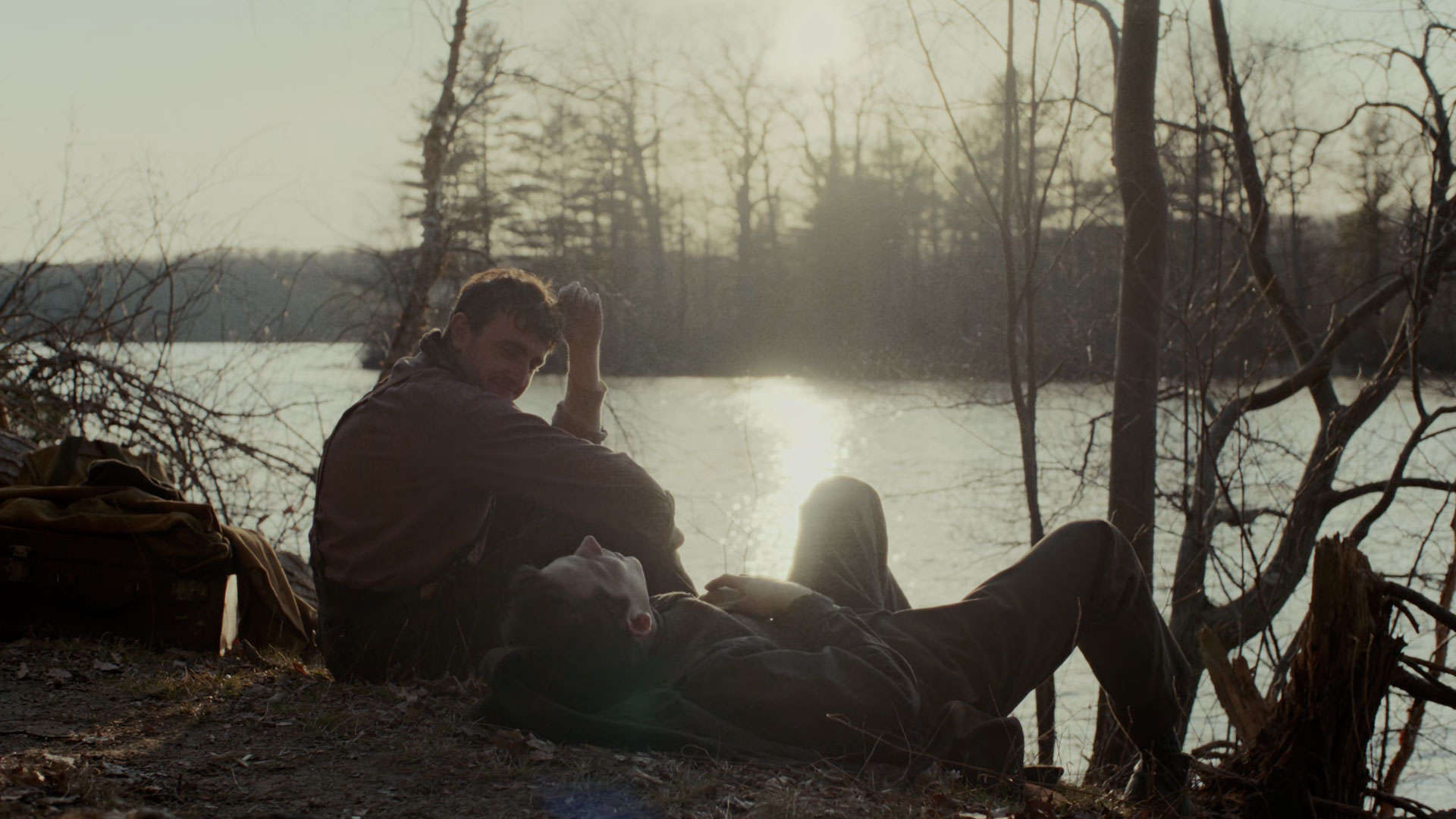
During the trip, David asks if Lionel plans to go home when they’re done. Lionel says he has no choice. He’d go anywhere else if he had the money. David suggests returning to the Conservatory to teach. Plenty of wealthy parents are looking for instructors. When Lionel asks about jobs at David’s college, David brushes off the question, claiming Lionel would hate it there. It feels like he’s deliberately keeping distance between them. David seems convinced that Lionel has a bigger life ahead of him. He says if he had Lionel’s gift, he would leave and go sing somewhere, like New York, Europe, Paris, or Rome, making real money.
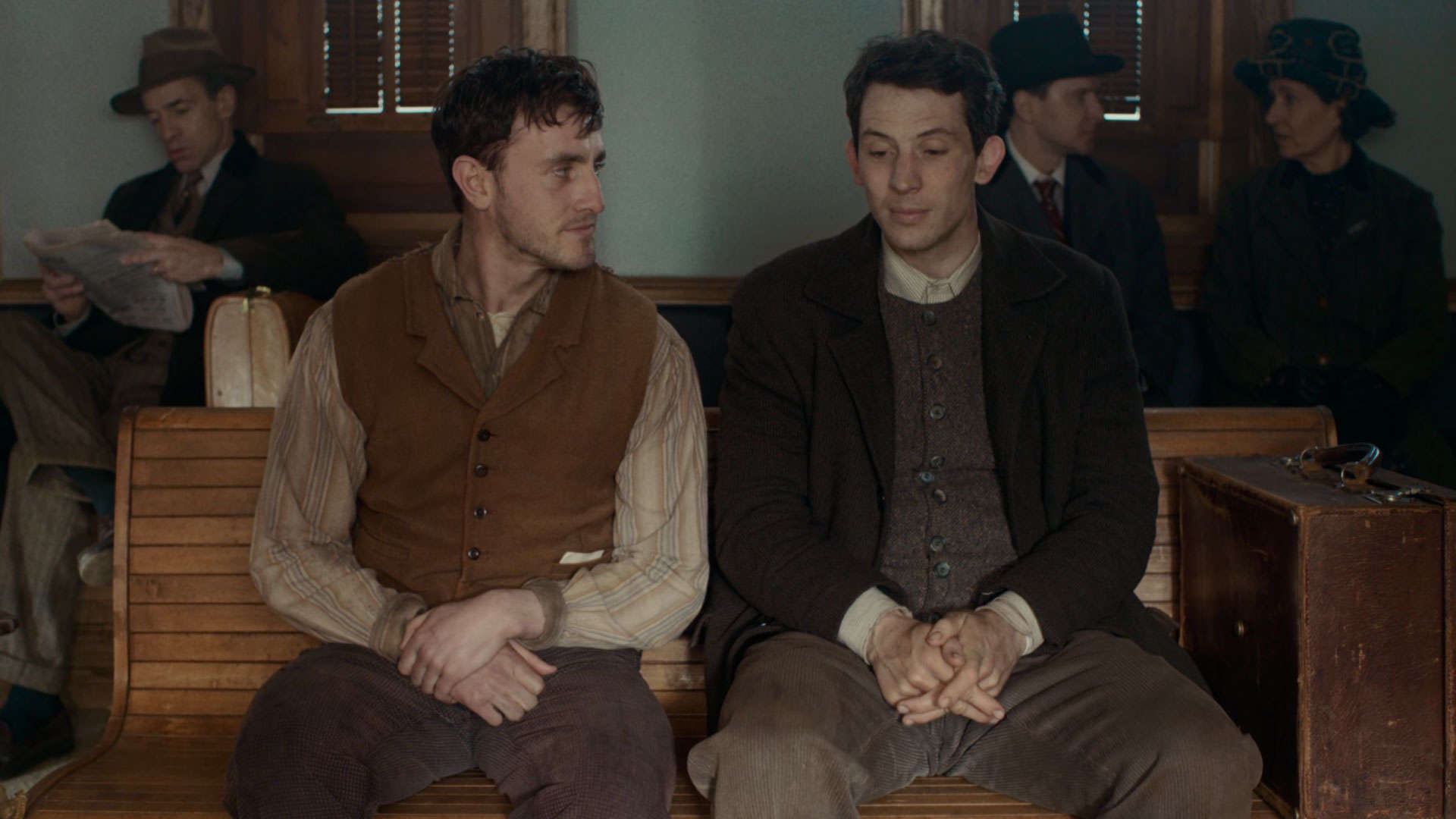
At the end of their trip, they return to Augusta train station to go their separate ways, the tension between them unresolved. They embrace, and David watches as Lionel boards his train. After Lionel leaves, David sits alone, lost in thought. It seems David wants what’s best for Lionel and believes that staying together would only limit his future. Or perhaps he’s simply too afraid to continue a relationship that was illegal at the time. Since their trip ended, Lionel has sent David a letter every month, but David never replies. Lionel stops writing in the spring of 1921.



Life's only troubles. You could get sad, or you could sing about it.
—
A film by Oliver Hermanus, starring Paul Mescal, Josh O'Connor, Raphael Sbarge, Molly Price, Tom Nelis, Aedin Moloney, Dion Graham, Briana Middleton, Alessandro Bedetti, Emma Canning, Michael D. Xavier, Emily Bergl, Peter Mark Kendall, Sophie Hearn, Hadley Robinson, Michael Schantz, and Chris Cooper.

In 1919, homosexuality faced severe criminalization, social stigma, and institutional persecution. Same-sex acts were illegal nationwide under sodomy laws, punishable by imprisonment or hard labor in every state. Sodomy (including oral sex) was a felony under common law and statutes, with penalties up to life imprisonment in some areas; nearly all states enforced these post-WWI. Newport, Rhode Island saw Navy stings targeting sailors, leading to arrests, courts-martial, and jail time via entrapment by decoys. Military policy explicitly excluded homosexuals, with dishonorable discharges standard. Public discourse pathologized gays as “perverts” or “degenerates,” with no legal protections; cross-dressing bans and obscenity laws suppressed visibility. The era’s “Red Scare” fused anti-communism with vice raids, amplifying surveillance by the nascent FBI. Discretion was survival. Exposure meant job loss, family rejection, or institutionalization.
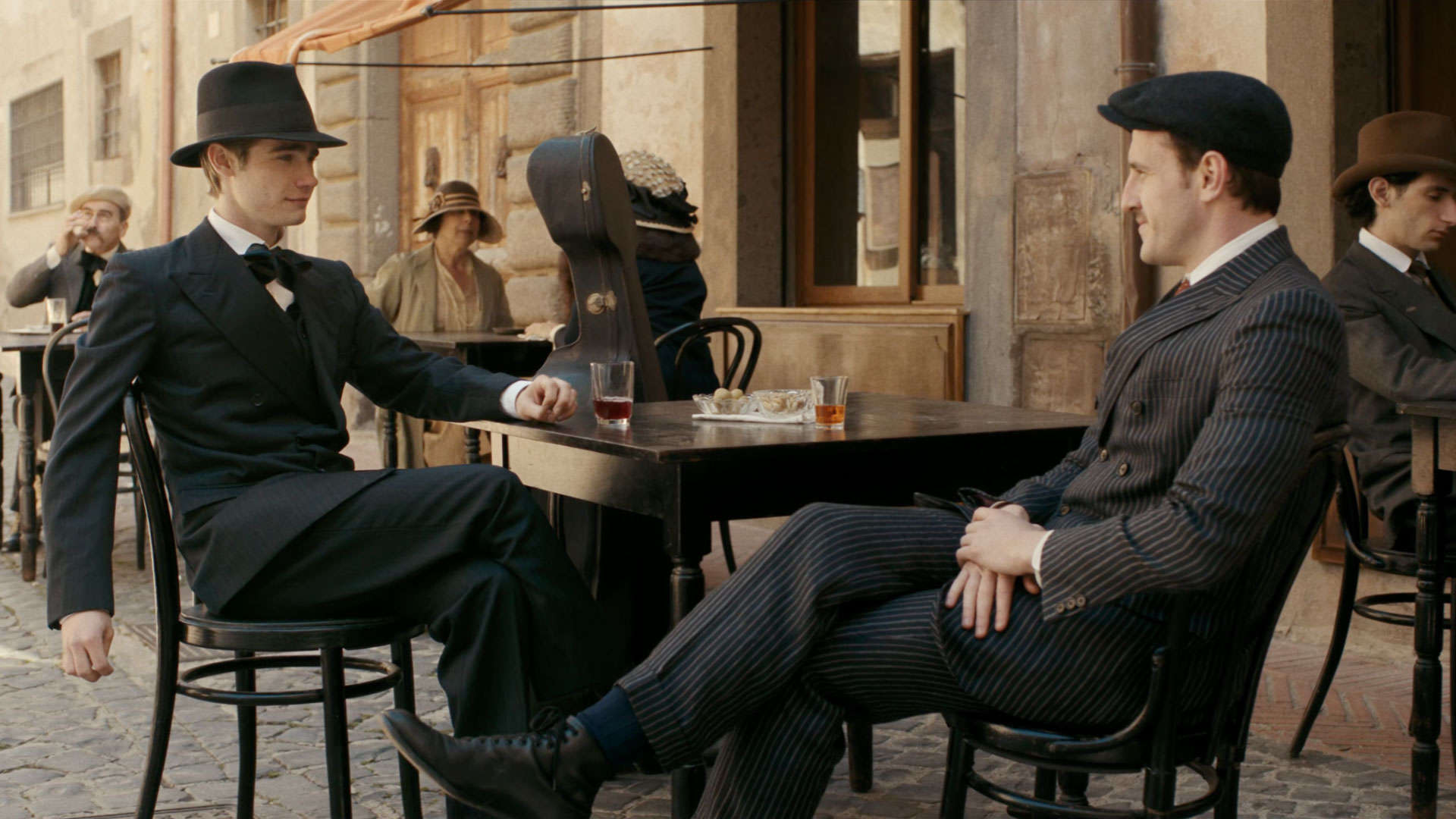
By 1923, Lionel has joined one of Rome’s most prestigious choirs, but the excitement has faded. He feels bored constantly. One day, he tells Vincent (Alessandro Bedetti), a young musician and likely his lover, that he’s been offered a position in England and plans to accept it. Vincent is clearly upset and tries to change Lionel’s mind, but when he fails, he storms out. Lionel doesn’t seem bothered.
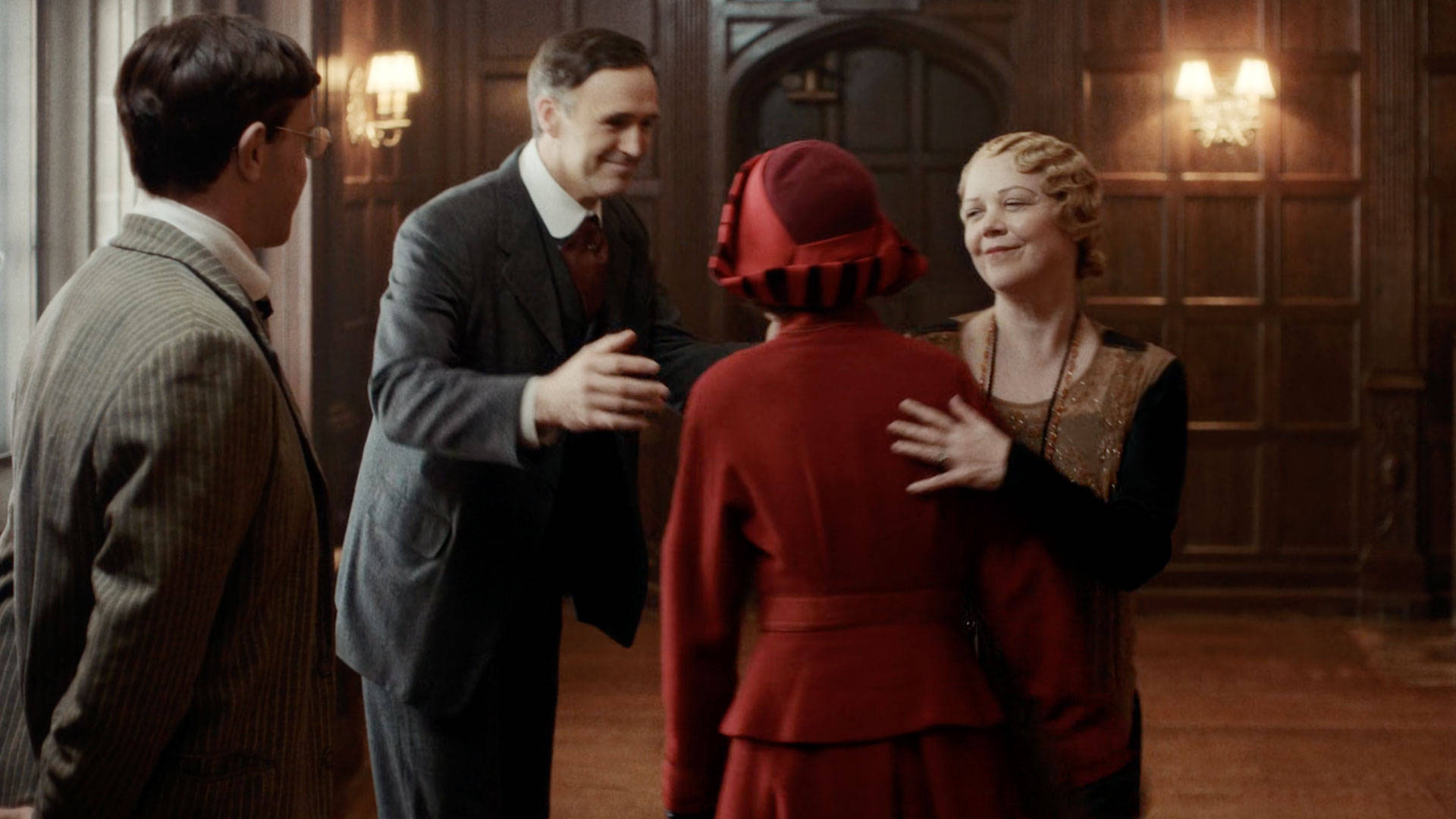
In 1924, Lionel works as a choir conductor at Oxford University and is in a romantic relationship with socialite Clarissa Roux (Emma Canning). During a picnic, Clarissa suggests it’s time for Lionel to meet her parents (Michael D. Xavier & Emily Bergl), and he agrees. Upon arriving at the family manor, Lionel is surprised to discover that Clarissa’s parents are quite wealthy, not the Bohemians he’d imagined from what she’d told him.
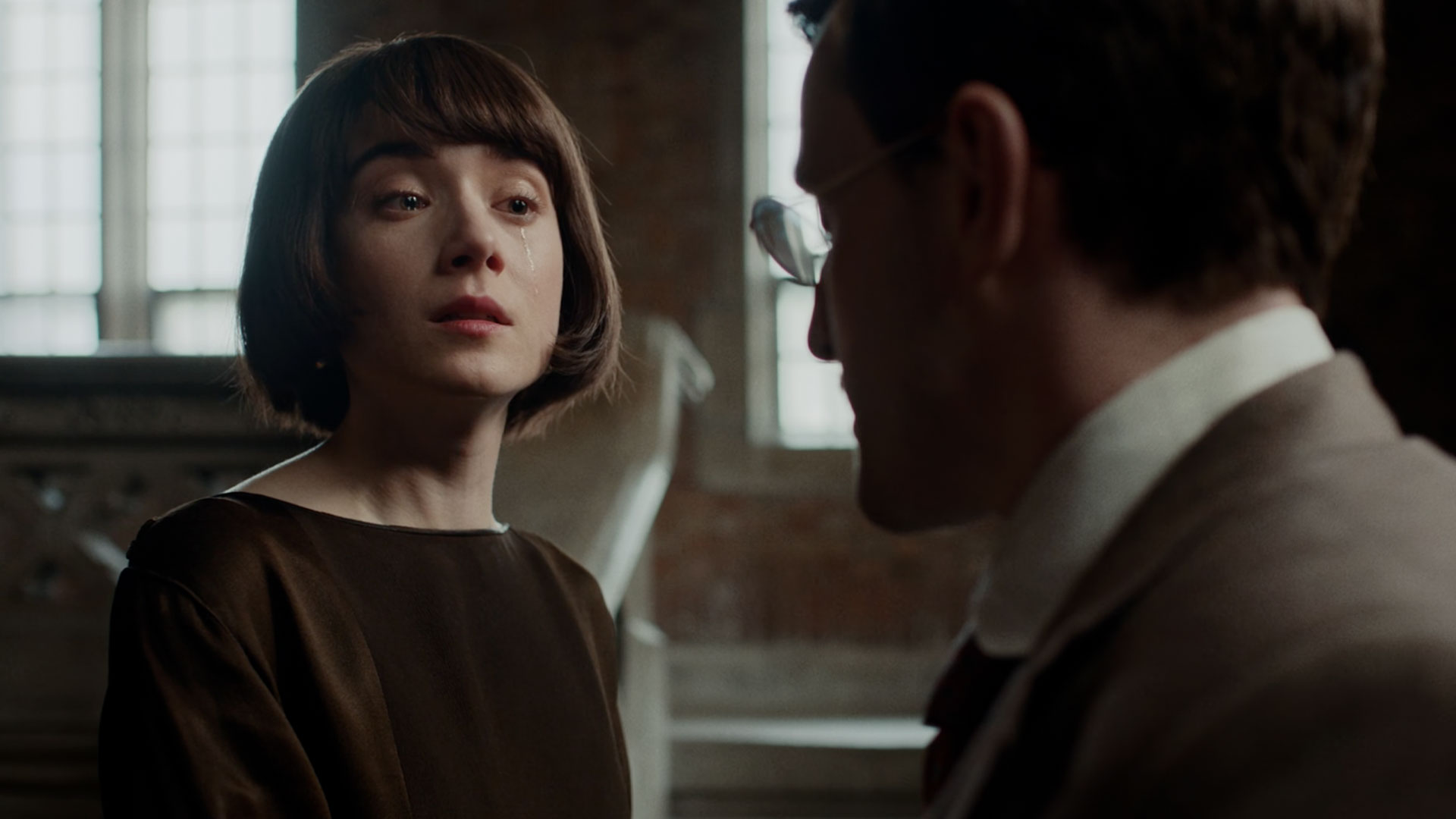
Shortly after they return to Oxford, Lionel receives an airmail telegram from his grandfather saying his mother is dying. He tells Clarissa he must go home immediately. Clarissa begs him to wait a month so she can go with him when the term ends. Lionel hesitates, then tells her he can’t wait. Clarissa sees through him. This isn’t just about his mother. He’s using her illness as a way out, planning to leave and never come back. She asks why, but Lionel doesn’t explain. Clarissa then reveals that her mother wrote to her after their visit, advising her to leave Lionel before he left her.
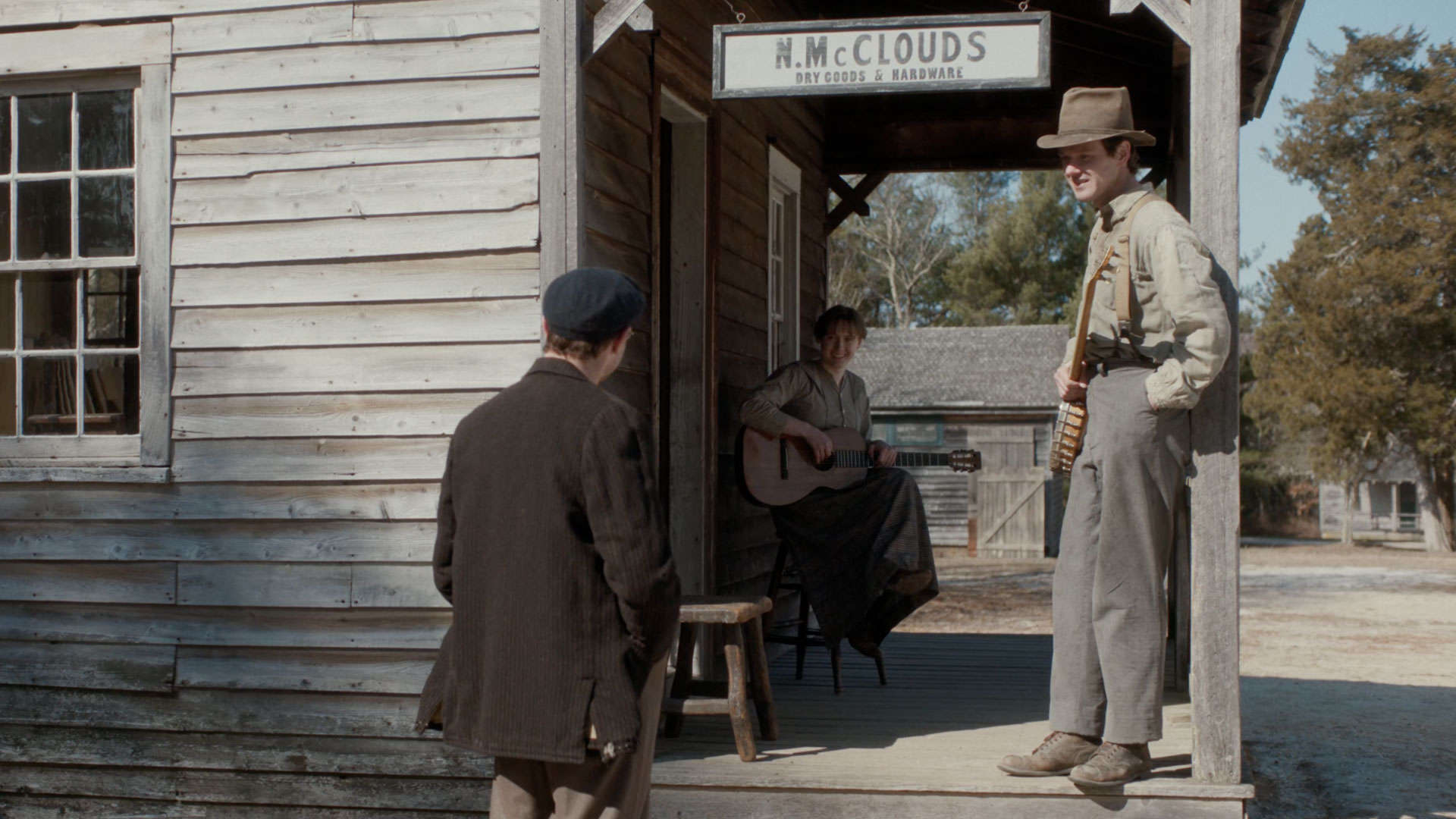
Lionel returns to the farm, but he’s too late. His mother has already died, and the farm stands empty with no sign of his grandfather. After cleaning and repairing the house, Lionel runs into his old schoolmate Nathan McClouds (Peter Mark Kendall). They haven’t seen each other in ten years. Nathan is now married to Isabelle (Sophie Hearn). Over conversation, Nathan remarks that it makes no sense for Lionel to leave a well-paying position abroad just to pick apples in Kentucky. Lionel says he feels like he’s reached the end of something. Isabelle asks what the beginning was. Lionel tells them one of his happiest times was as a student in Boston.
Directed by South African filmmaker Oliver Hermanus from a screenplay by Ben Shattuck, The History of Sound is a period drama that follows the relationship between two men who meet in 1917 while attending the New England Conservatory of Music.

The story is adapted from Shattuck’s short story “The History of Sound,” first published in Issue 16 of The Common magazine in 2018, along with its companion piece “Origin Stories.” Both stories appear in Shattuck’s 2024 collection The History of Sound, which features 12 stories set across three centuries in New England, exploring themes of love, loss, and memory through paired narratives. The collection won the Story Prize Spotlight Award and the 2025 Mark Twain American Voice in Literature Award.
The Mark Twain American Voice in Literature Award is an annual literary prize presented by the Mark Twain House & Museum in Hartford, Connecticut, honoring fiction that captures a distinctly American voice and experience. Established in 2016 by author David Baldacci, it celebrates works echoing Mark Twain’s legacy in Adventures of Huckleberry Finn by defining contemporary American stories through diverse voices and perspectives. Winners receive a $25,000 cash prize, selected from publisher submissions by a panel of judges. Ben Shattuck won the 2025 award for The History of Sound, praised for its precise prose and New England tales spanning centuries, chosen from 148 entries.
While Josh O’Connor and Paul Mescal deliver undeniably melancholic performances, the timeline and their physical appearances don’t quite align, making it somewhat unconvincing that these are young men under twenty. O’Connor’s casting as David White is more plausible since the film doesn’t establish his childhood or exact age the way it does with Lionel.
The Story Prize Spotlight Award is a $1,000 literary prize recognizing an outstanding short story collection of exceptional merit from entrants to The Story Prize, selected by the director. Established around 2012, the Story Prize awards $20,000 to the top short story collection, with $5,000 each to two finalists, judged by a panel from longlisted entries.
David could plausibly be a few years older, perhaps in his early twenties or a senior at the conservatory. However, the film explicitly shows Lionel as a child in 1907, which means he should be only seventeen in 1917, making Mescal’s more mature presence harder to reconcile with the character’s established age.
Strangely enough, my favorite moments in the film aren’t between David and Lionel at all, but two smaller scenes that feel almost peripheral to the story. In one, Lionel’s father shows him the tea bag rocket trick, a simple physics experiment with an empty tea bag and a flame. In another, a fleeting memory surfaces of Lionel’s mother laughing, after her passing. Both scenes are remarkably short, 22 seconds and 12 seconds respectively, yet they’re what impressed me most about the film.

The HISTORY of SOUND premiered at Festival de Cannes on 21 May 2025 where it competed for the Palme d’Or. The film was theatrically released in the United States on 12 September.