
When an elusive intermediary who deals between corrupt corporations and threatened individuals discovers that his client has been kidnapped, he is forced to compromise his operations. A film by David Mackenzie, starring Riz Ahmed, Lily James, Sam Worthington, Willa Fitzgerald, Eisa Davis, Matthew Maher, Jared Abrahamson, Pun Bandhu, Seth Barrish, and Victor Garber.
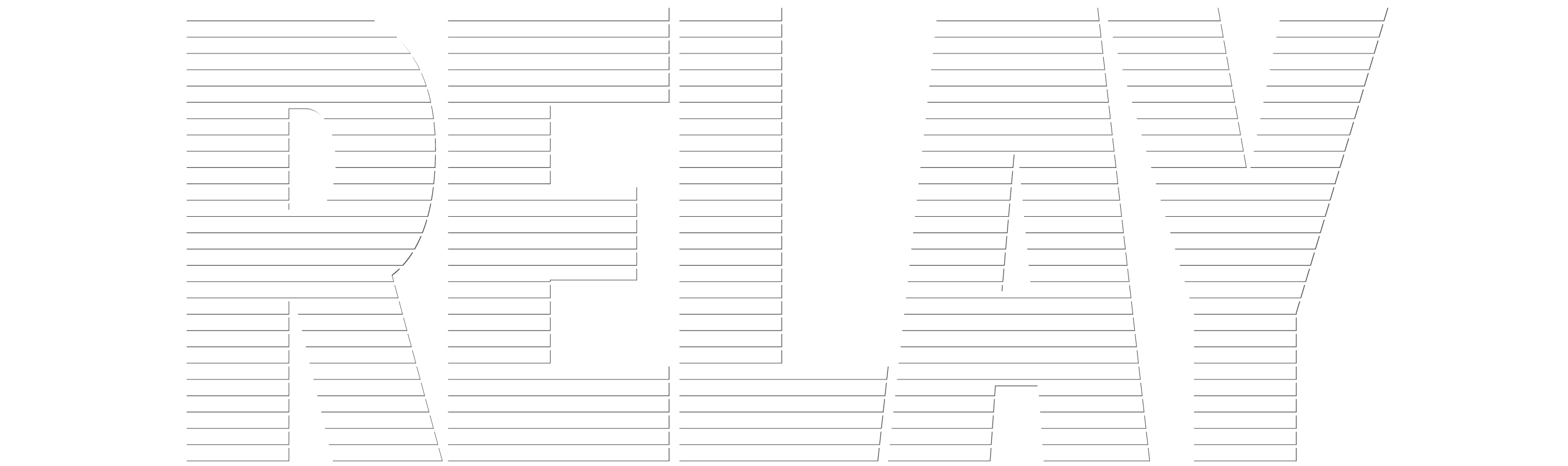
RELAY
David Mackenzie
(2025)
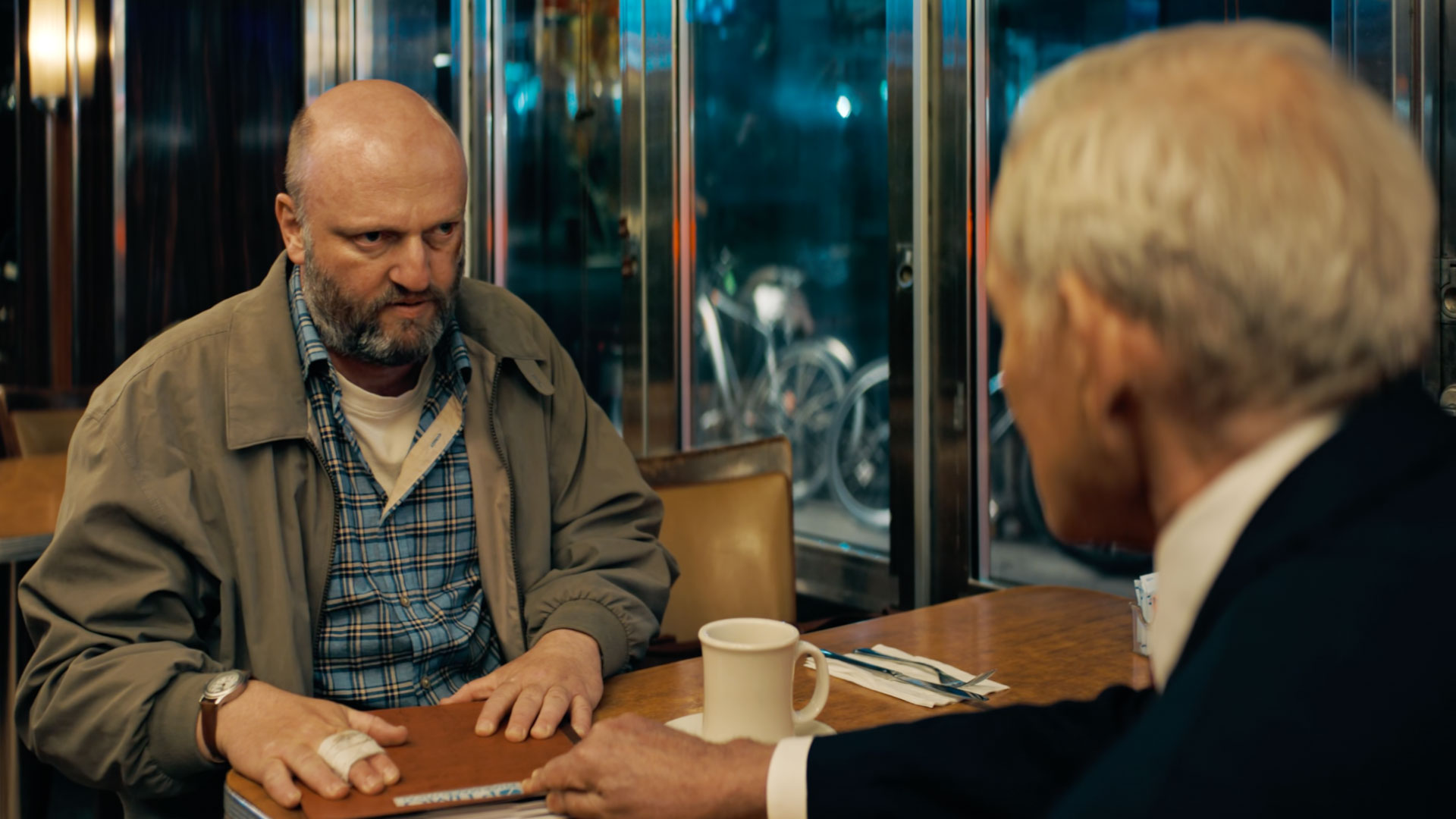
At Remedy diner, McVie (Victor Garber), the CEO of pharmaceutical company Optimo, meets with his former employee Hoffman (Matthew Maher) to retrieve stolen documents that could incriminate him. Hoffman warns McVie that his representatives are holding a copy of the files to ensure McVie keeps his end of the deal.
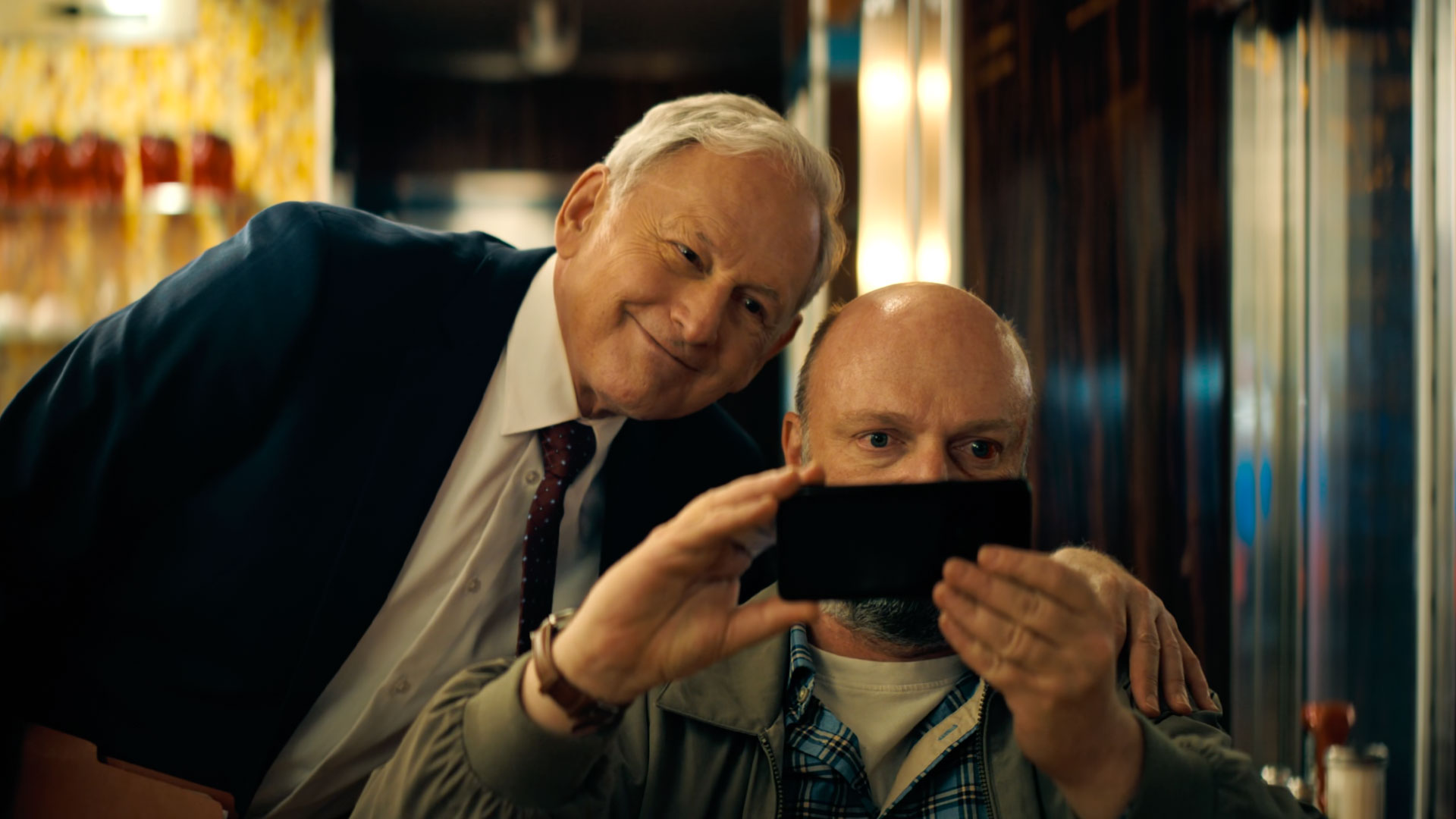
He makes it clear that if anything happens to him or if he’s followed, the documents will be sent to the authorities. Before leaving, Hoffman asks if he can take a selfie with McVie, and McVie reluctantly agrees. After their meeting, Hoffman gets into a waiting cab.
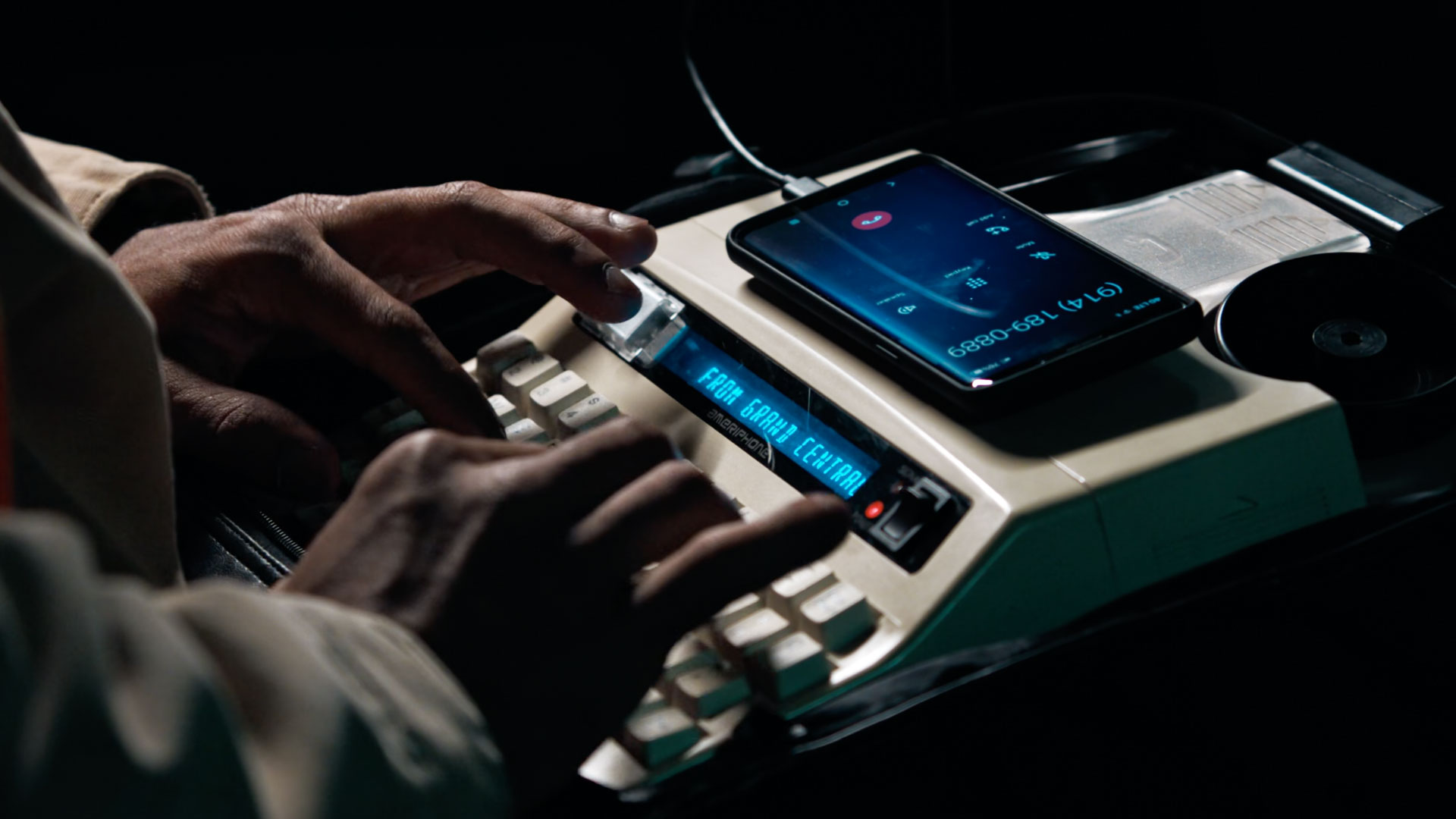
Meanwhile, an anonymous fixer (Riz Ahmed) tails Hoffman in a separate cab. As he follows, he sends a message to Hoffman using a teleprinter designed for the deaf (TDD), instructing him to travel to Poughkeepsie from Grand Central station.
A Telecommunications Device for the Deaf (TDD) is an electronic device designed to enable people with hearing or speech difficulties to communicate via text over telephone lines. It is essentially a specialized teleprinter or teletypewriter (TTY) that has a keyboard for typing messages and a small screen or printed output to display received text. Users type their messages, which are transmitted over the phone line to another compatible device. TDDs often use relay services to facilitate communication between deaf users and hearing individuals who use regular telephones. Typically, a TDD is about the size of a small laptop with a QWERTY keyboard and a display screen. Earlier versions only had a printer to output text. This device was developed for use on analog telephone networks.
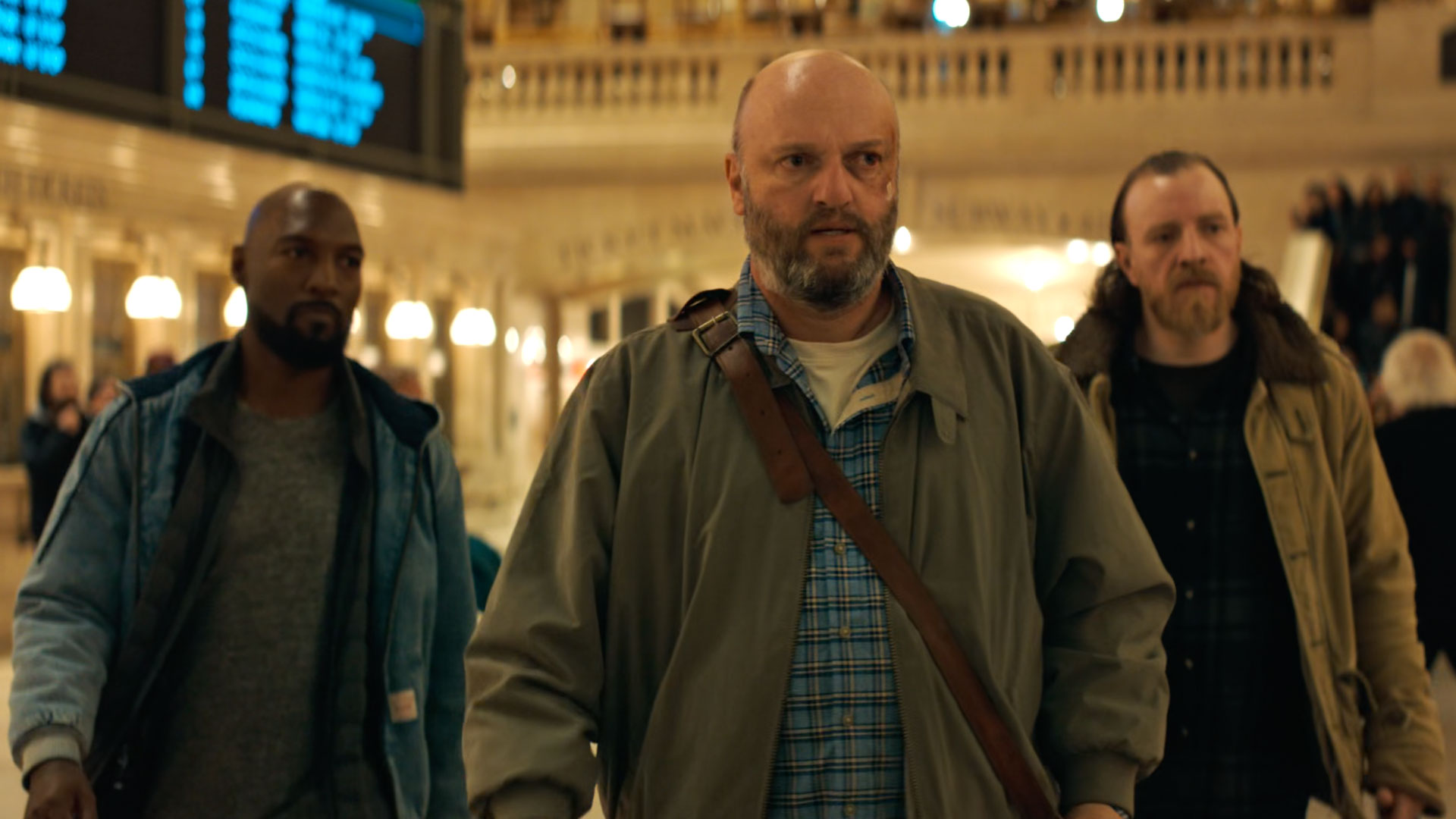
When Hoffman arrives at the train station, he heads toward the platform. The fixer briefly spots two men who seem to be following Hoffman, but eventually realizes it is just a coincidence. He keeps an eye on Hoffman to ensure he safely boards the train.
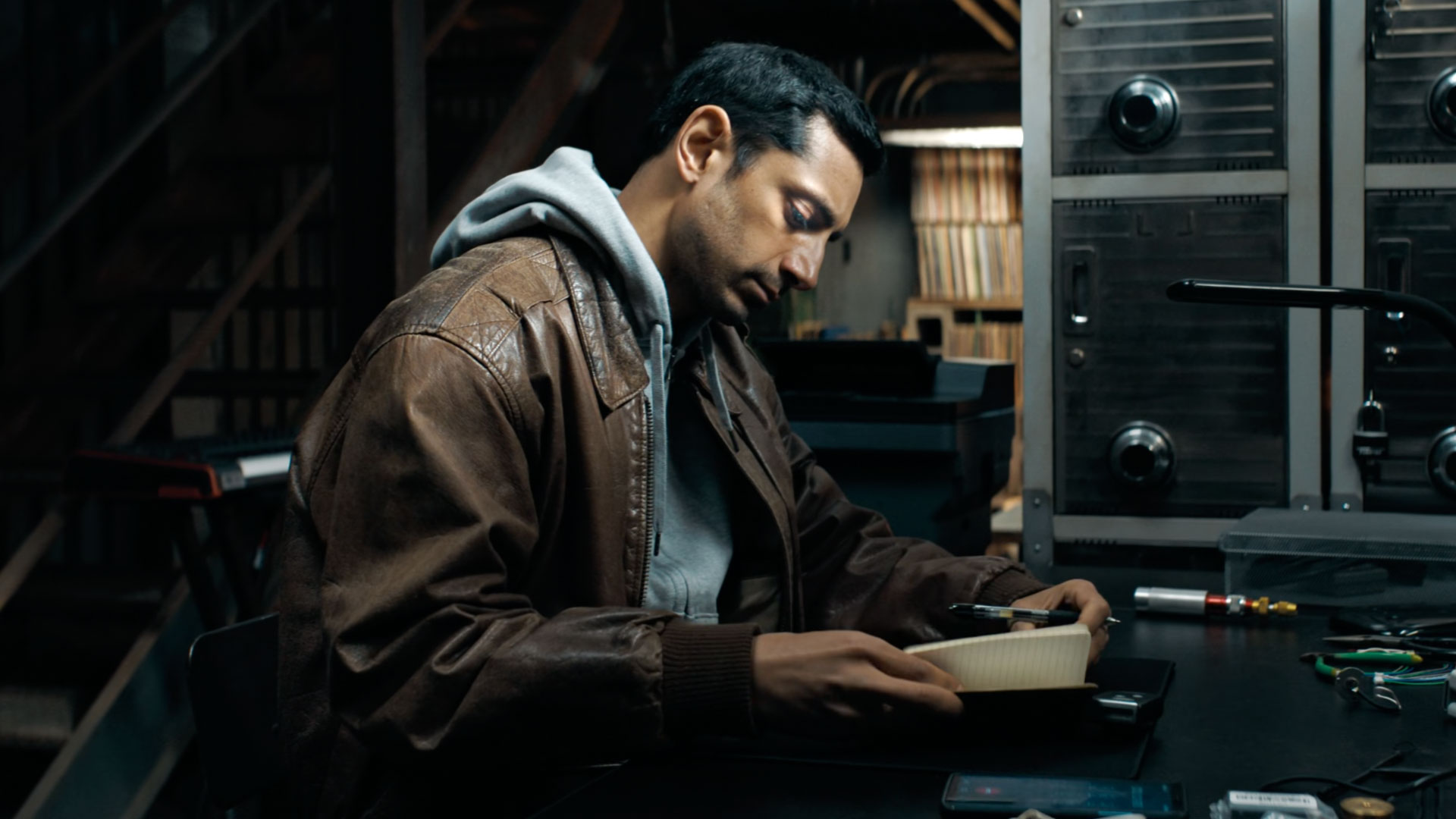
Later, the fixer receives a message from Optimo confirming that payment for his services has been made. The following day at his secret warehouse, he gets a message from Hoffman reporting that he handed over the documents and took a train to Poughkeepsie as instructed. Hoffman also verifies he sent half the money to the address he was given.
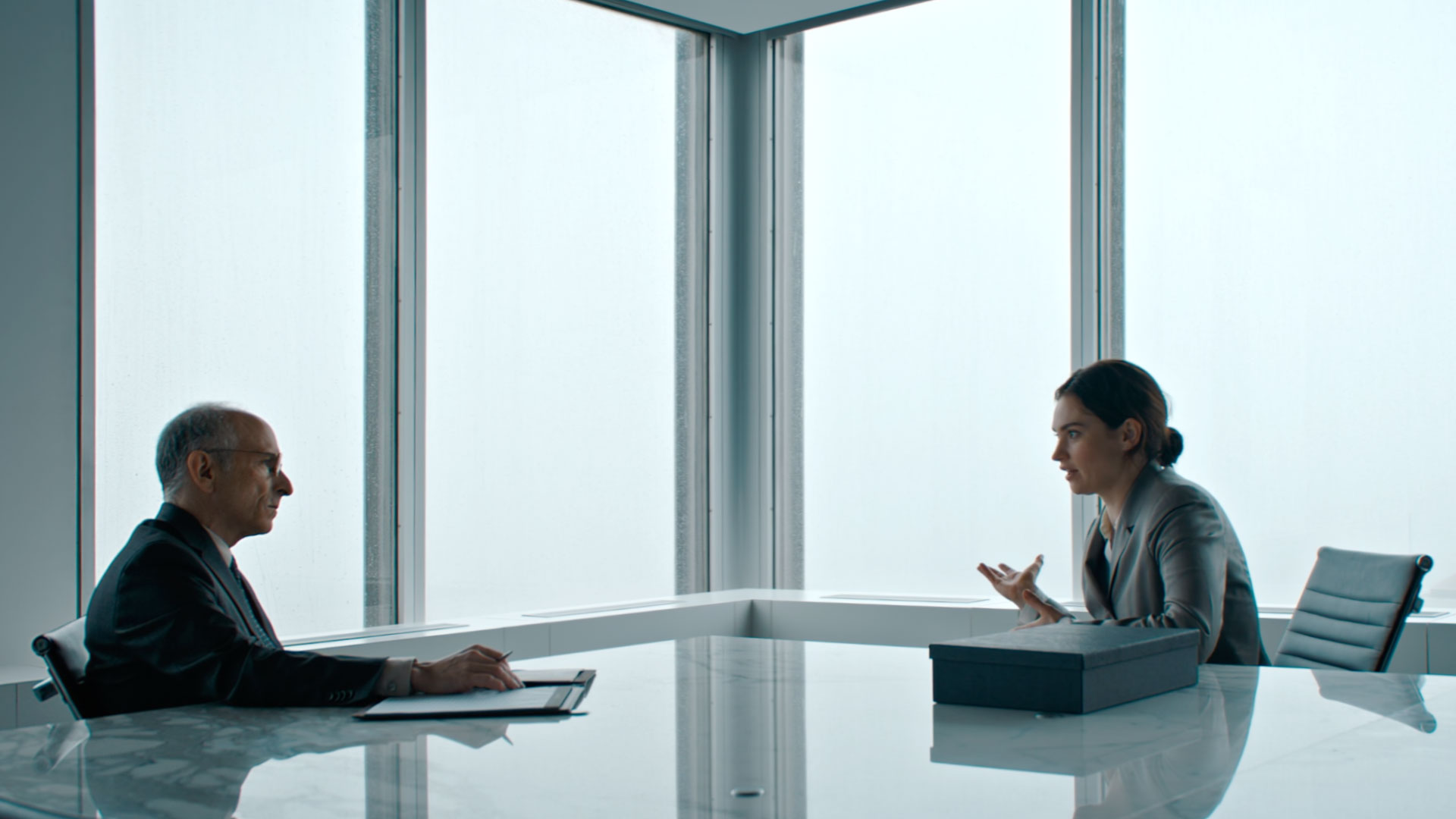
Researcher Sarah Grant (Lily James) is clearly frustrated when she meets (Seth Barrish), an attorney she hopes can help her. She explains that she stole a document containing a food safety assessment that proves serious side effects from a new wheat strain she helped develop. She shares that after raising concerns with senior management, the company tried to cover it up by transferring her and eventually firing her. Now, she fears that Cybo Sementis will launch the product soon, potentially affecting thousands of people, and without this document, it would be impossible to trace it back to the food people have eaten. She’s convinced they’ll do anything to keep her quiet.
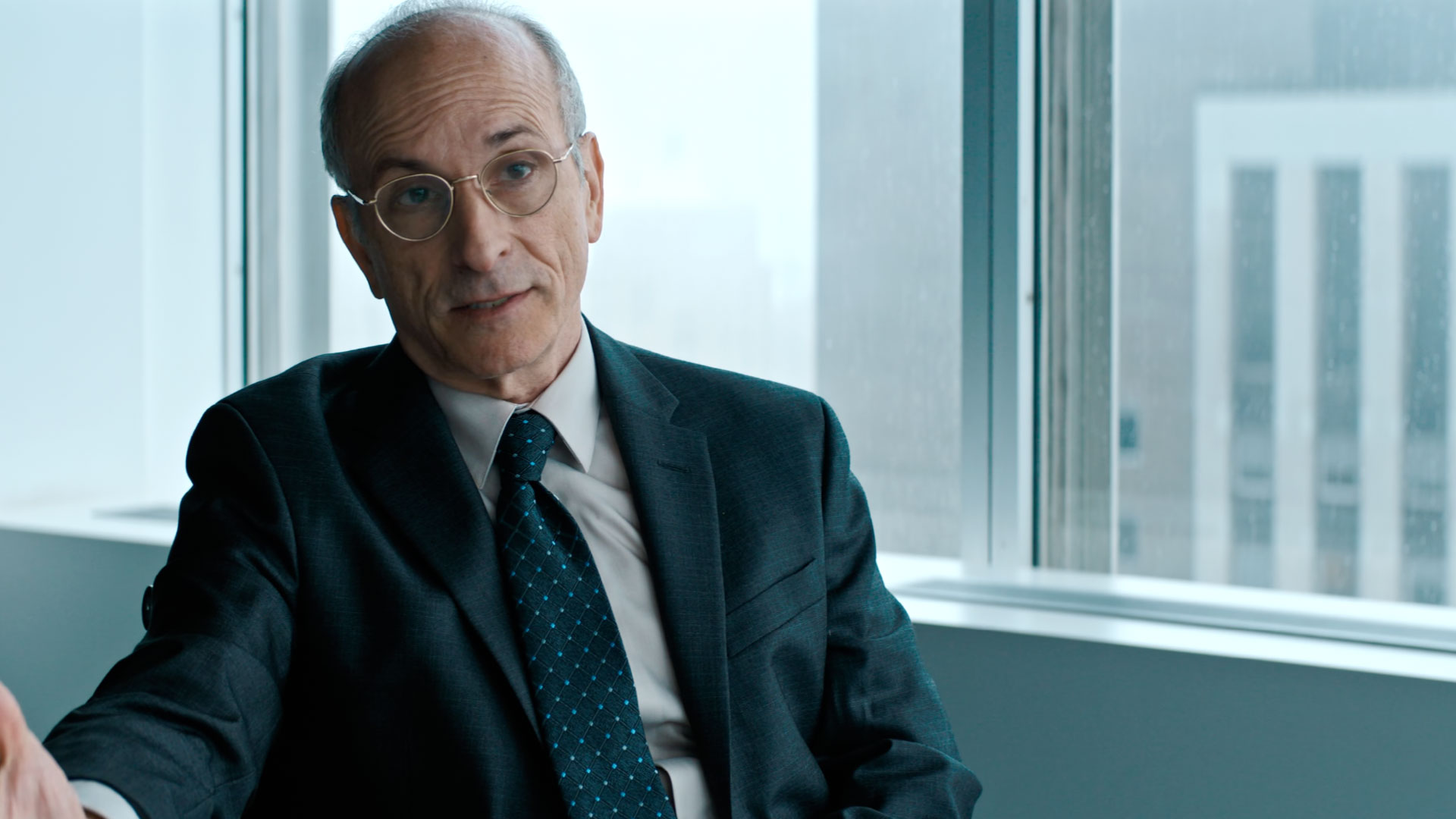
Morel acknowledges Sarah’s good intentions but explains that his firm no longer handles this type of case. Instead, he offers to recommend several reputable whistleblower support organizations that would be better suited to help her. Morel is taken aback when Sarah clarifies that she doesn’t actually need whistleblower support. She simply wants to return everything and put this behind her. Sarah asks Morel to point her toward the right contact.
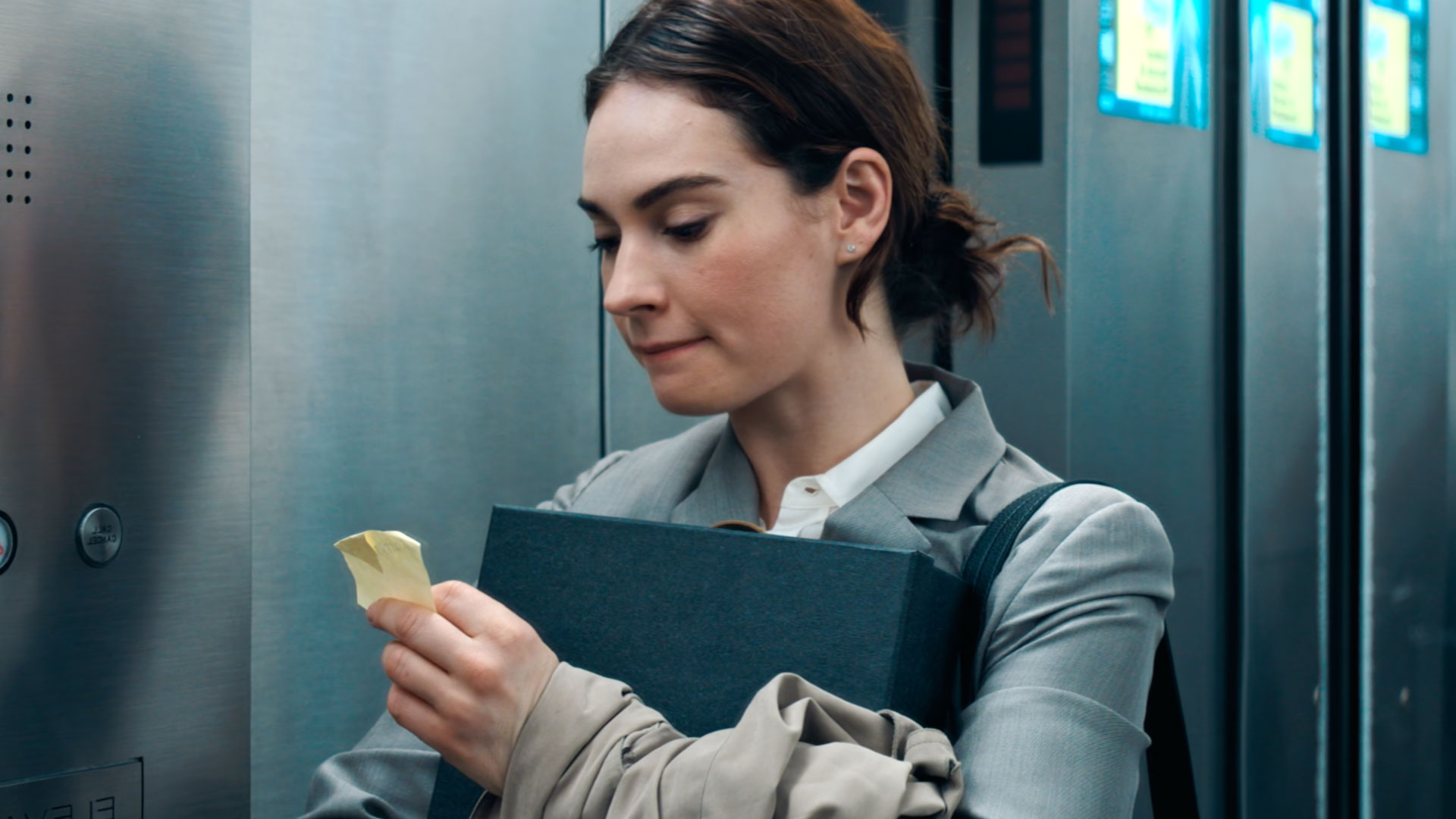
After considering for a moment, Morel provides her with a phone number of an unofficial channel that he’s referred people to in the past. When Sarah asks what Morel knows about this person, he admits that he’s never actually met them and doesn’t know anything about them. He describes it as a messaging service where they may or may not respond. Morel’s final advice is for Sarah to be completely honest about her situation.
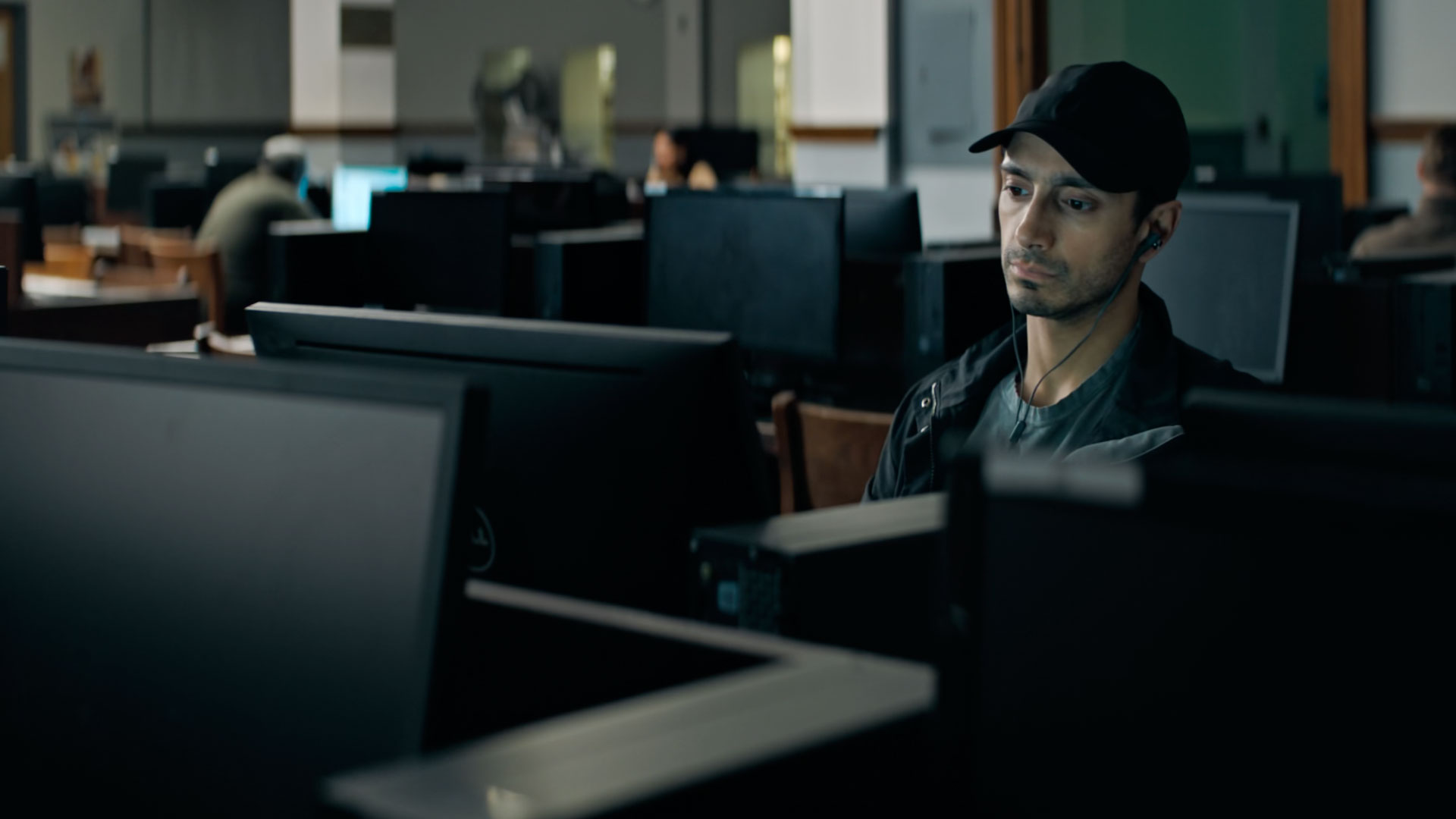
Sarah calls the number and leaves a message explaining her situation. Later, the fixer listens to Sarah’s message and starts investigating her background online at the local library. He discovers her CV on the Worker Linkup website and locates her personal Facebook page. Through a link on her profile, he navigates to the Cybo Sementis website, where he finds a page featuring Sarah Grant as their newly appointed Senior Researcher in Precision Breeding. A video at the bottom shows Sarah announcing that the company has just received the Lansing Award.
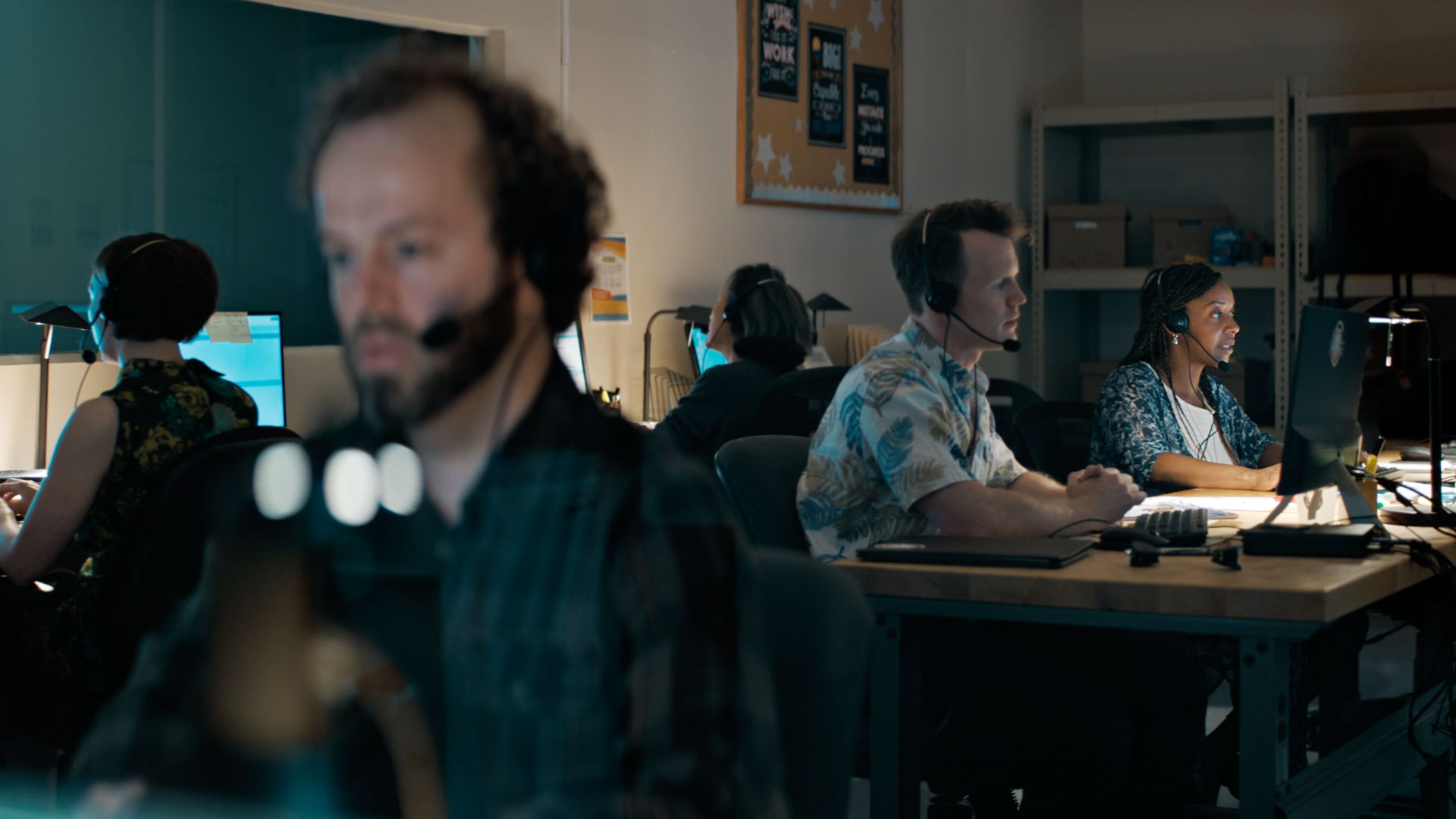
Later, Sarah receives a call from the Tri-State Relay service notifying her that she has an incoming call through their relay system. The operator (Cherelle Cargill) explains that her caller is likely deaf or hard of hearing and will communicate by typing messages that the operator will then read aloud to her. When Sarah needs to respond, the operator will type her spoken words back to the caller. The operator instructs her to speak directly to the caller and say “Go ahead” to signal when she’s finished speaking.
Telecommunications Relay Service (TRS) is a free service that enables people who are deaf, hard of hearing, deafblind, or have speech disabilities to communicate by phone with people who use standard voice telephones. It works through specially trained communication assistants (CAs) who convert typed or signed messages into spoken words and vice versa, acting as a bridge between the callers. TRS includes various types such as traditional text-to-voice relay using TTY devices, Video Relay Service for sign language users, and Speech-to-Speech Relay for those with speech difficulties. Users can access TRS by dialing 711 in the United States, and it operates 24/7, ensuring accessible, confidential, and clear communication for people with communication disabilities.

After verifying her identity and social security number, Sarah describes her situation and responds to the fixer’s questions. She explains that the company initially offered her a cash settlement for her silence, but she declined, saying she simply wanted to do the right thing. However, the intimidation began shortly after, and last night they burned her car. She’s now staying at a temporary location due to ongoing threats.
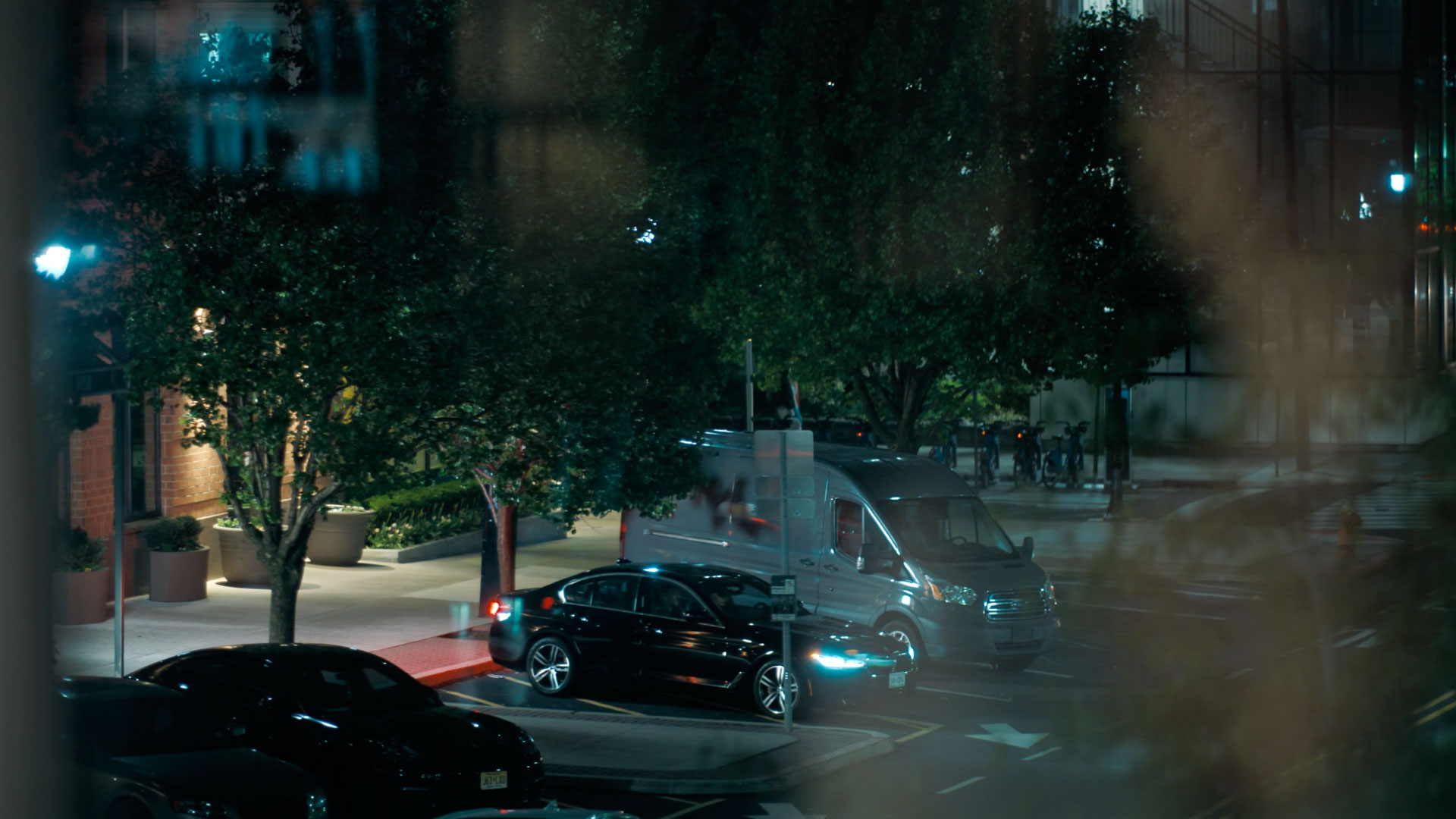
Sarah also mentions that a van has been parked outside her current building, leading her to believe she’s being watched. The fixer warns her that they might be monitoring this call. He instructs her to buy a prepaid phone, keep it turned off until she reaches a public place, and then leave a message with her new number, current address, and additional information.

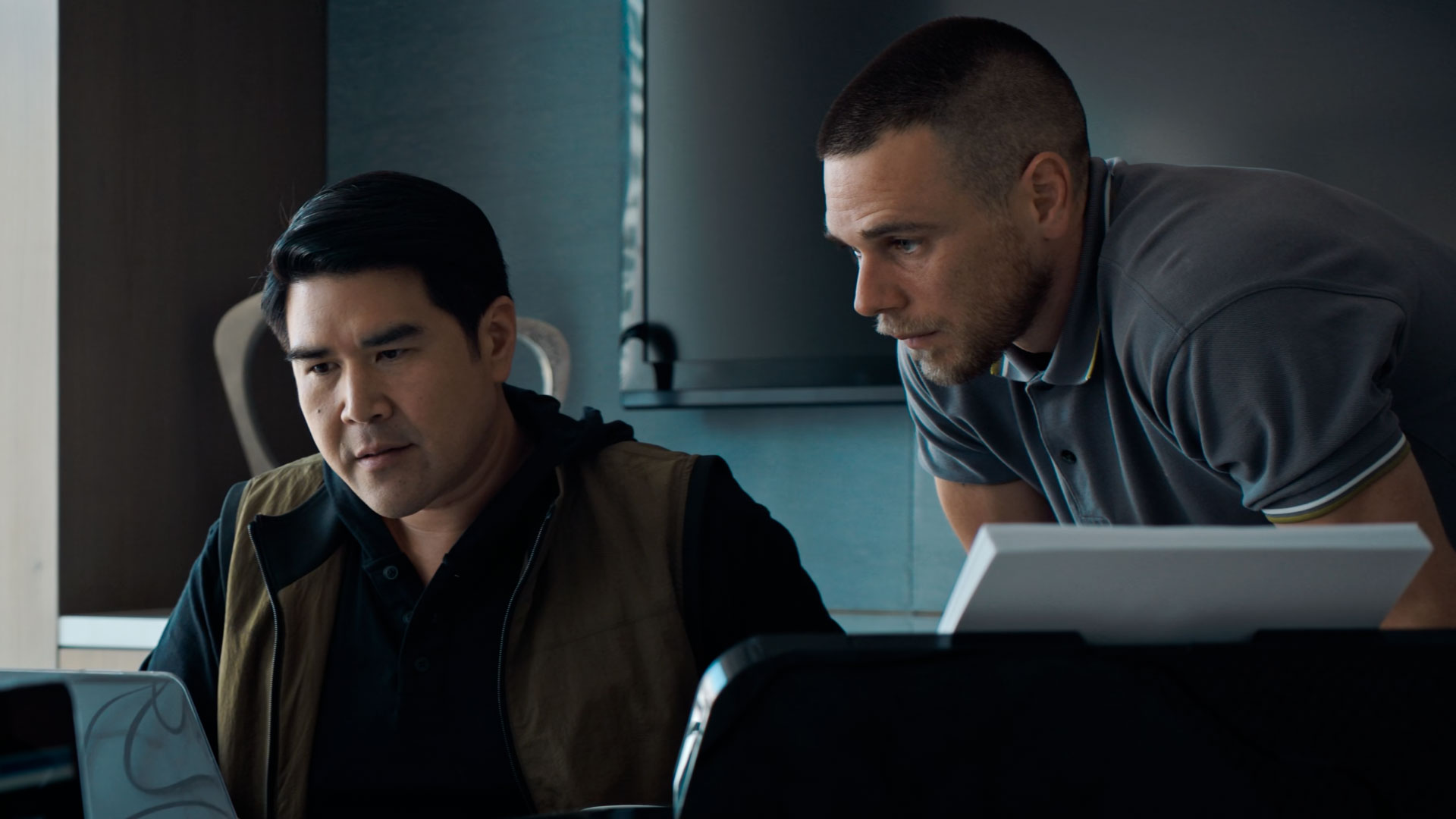
A corporate surveillance team led by Dawson (Sam Worthington), with members Rosetti (Willa Fitzgerald), Ryan (Jared Abrahamson), and Lee (Pun Bandhu), has intercepted Sarah’s phone call and recorded the conversation. Lee tracks the call back to the Tri-State Relay Service in New York. Dawson and Rosetti visit the service center seeking information about the call.

However, the supervisor (Helen Eigenberg) explains that under the Americans with Disabilities Act of 1990, Section 225, relay operators cannot disclose conversation content or retain records after calls end. When Dawson threatens to get a warrant, the supervisor responds that even a warrant would be useless since they don’t keep call logs or track the origin or destination of calls.

The next day, Sarah leaves a message from her new phone with crucial information: Cybo Sementis is about to be acquired in a $3.2 billion deal that will be announced in next week’s SEC filing. If her stolen documents become public, it would destroy the acquisition, which makes her so scared as she’s convinced that the company will do anything to make sure that the documents remain buried.

Sarah receives another call through the Relay Service. The operator (Reed Northrup) reads the fixer’s message to her, informing her that they have reviewed her situation and can help her return the documents while maintaining leverage to protect her. She is required to pay a $50,000 deposit upfront, which will be returned to her from the money they recover during the negotiation process. The fixer warns her to expect unusual requests in the coming days and emphasizes that she must comply with all instructions, regardless of how strange they appear. Going forward, all communications will begin with a security passcode.
Directed by Scottish filmmaker David Mackenzie from a screenplay by Justin Piasecki, RELAY is a captivating thriller about an elusive intermediary who keeps his identity hidden by communicating with clients through a relay service for the deaf. When he becomes personally invested in one of his clients, he must risk everything to save her.

The premise is intriguing, with Riz Ahmed delivering a wonderful performance as a fixer who keeps his real identity anonymous by using a relay service for the deaf to communicate with his clients. For the majority of the runtime, the fixer doesn’t speak at all. He remains silent by choice, communicating only through a teleprinter while a relay service agent reads his messages aloud to his clients.

The narrative keeps me engaged throughout as the stakes are high. One wrong move could be fatal for both the fixer and his client. As the story progresses, the plot thickens when adversaries attempt to intercept the elusive fixer and discover his true identity. This creates a gripping cat-and-mouse thriller that consistently maintains tension. The well-crafted story benefits from intelligent dialogue that elevates the entire experience.

However, the film struggles in the final act when it explodes into a full action sequence that I found unconvincing and underwhelming. The fixer’s decision to compromise his entire operation to save one woman seems illogical, even though he has already assessed the risks that his identity will be exposed or, worse, that he could be killed. This plot development forces seemingly irrational behavior to propel the story forward, yet RELAY still delivers as an impressive thriller that I would recommend.

RELAY premiered at TIFF on 8 September 2024. The film was theatrically released in the United States on 22 August 2025.