
A high-minded European couple seeks a new life on an uninhabited island in the Galápagos. They and those who follow them believe they’ve found paradise, only to discover the greatest threat isn’t the brutal climate or deadly wildlife, but each other. A film by Ron Howard, starring Jude Law, Ana de Armas, Vanessa Kirby, Daniel Brühl, Sydney Sweeney, Toby Wallace, Felix Kammerer, Jonathan Tittel, and Richard Roxburgh.
EDEN
Ron Howard
(2025)
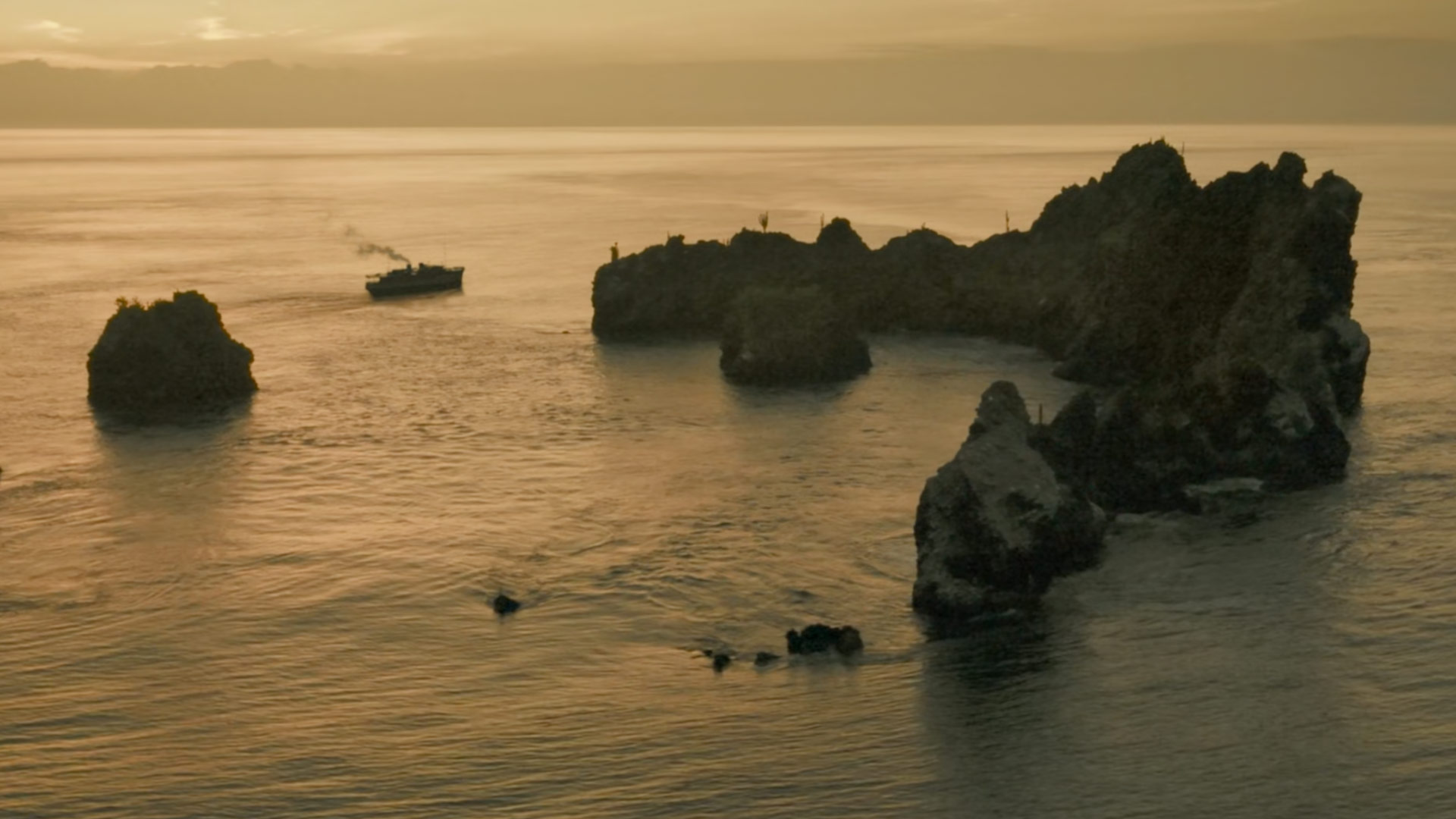
In 1929, the global economy collapsed in the aftermath of World War I. As fascism spreads and desperation grows, people search for a way out. Among them are Doctor Friedrich Ritter (Jude Law) and Dore Strauch (Vanessa Kirby), who abandon Germany for a reclusive life on the uninhabited island of Floreana in the Galápagos Archipelago.
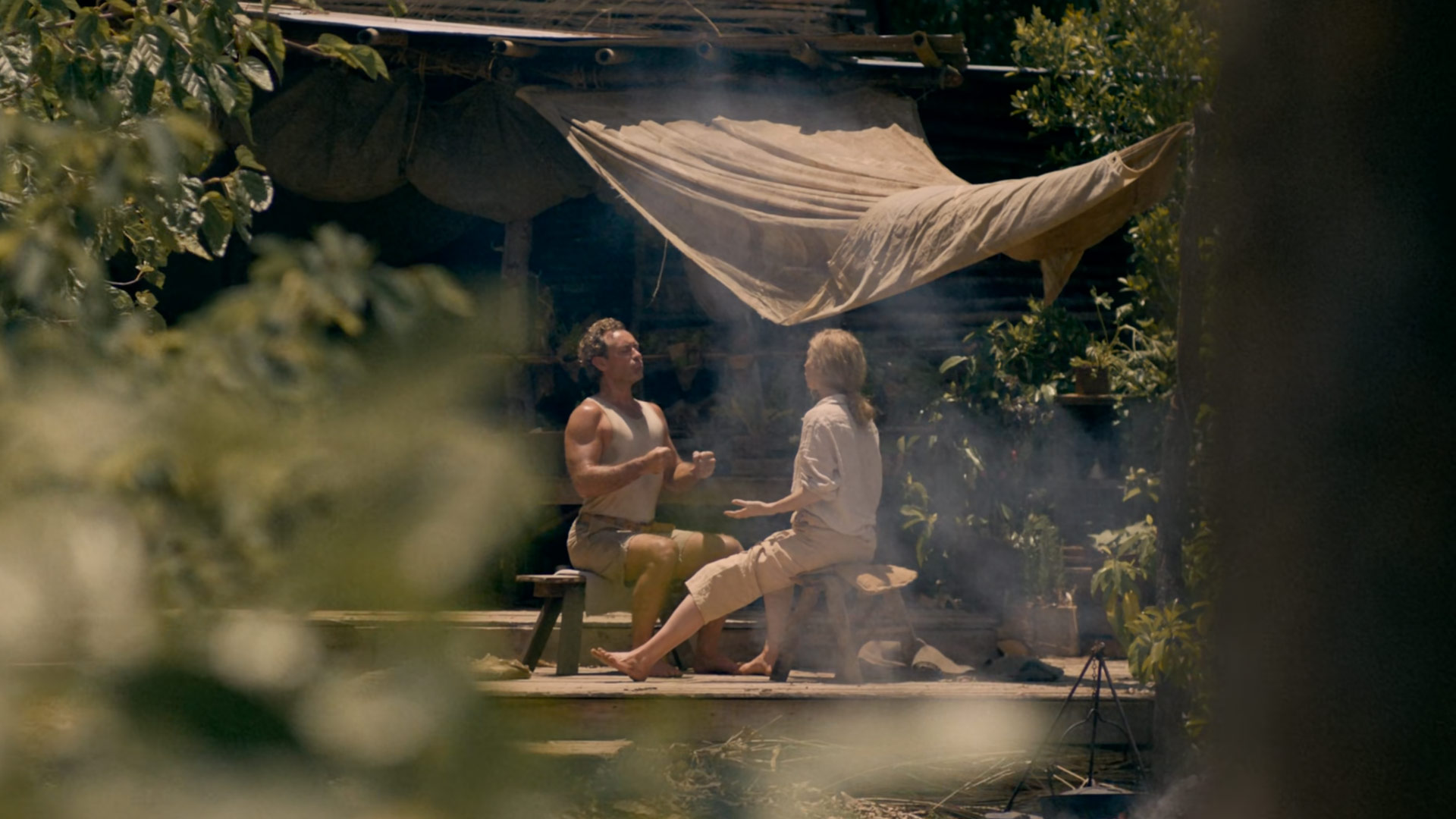
Through letters occasionally carried by passing ships, the world catches glimpses of Friedrich Ritter’s isolated existence. His ambitious goal is to write a groundbreaking new philosophy, one he believes would save humanity from its own destructive path.
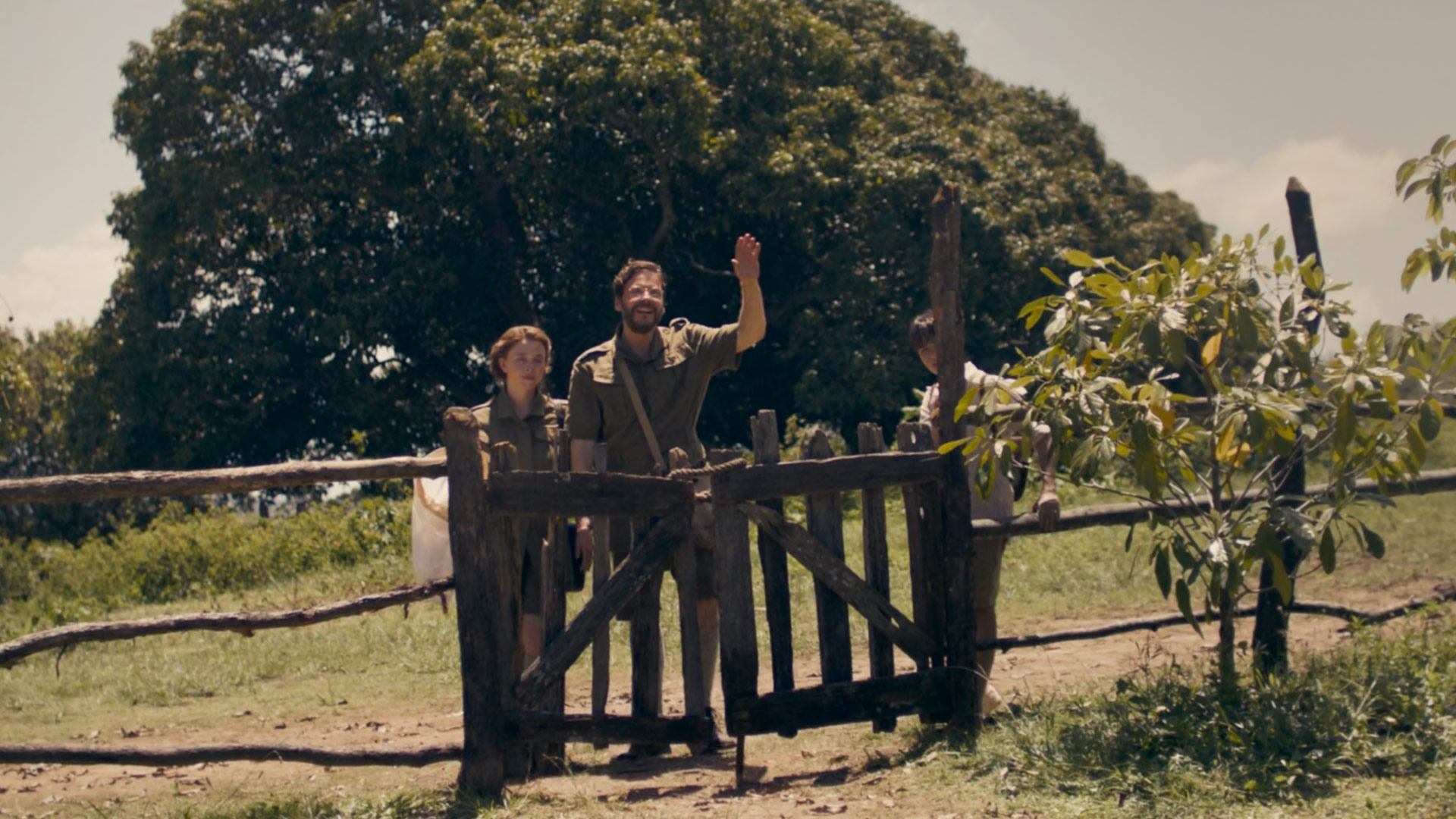
However, their solitary life is short-lived when they receive an unexpected visit from Heinz Wittmer (Daniel Brühl), who has been so inspired by Friedrich Ritter’s quest for a better life that he sold everything he owned and crossed the ocean to Floreana. He brings his second wife Margret (Sydney Sweeney) and his son Harry (Jonathan Tittel) from his first marriage. Heinz made this drastic decision after learning he couldn’t afford the medical bills for Harry’s tuberculosis treatment.
Tuberculosis (TB) is a serious infectious disease caused by the bacterium Mycobacterium tuberculosis. It mainly affects the lungs but can also impact other parts of the body such as the brain, kidneys, spine, and lymph nodes. TB spreads through the air when a person with active lung TB coughs, sneezes, talks, or sings, releasing tiny droplets containing the bacteria that others can inhale. There are two forms of TB: latent TB infection, where the bacteria are present but inactive and the person shows no symptoms or contagiousness; and active TB disease, where the bacteria multiply and cause symptoms like a prolonged cough (sometimes with blood), fever, night sweats, weight loss, and fatigue. In 1929, tuberculosis treatment mainly involved supportive care since effective antibiotics were not yet available. Patients were often treated in sanatoriums, where rest, fresh air, good nutrition, and isolation helped the body fight the disease and prevented its spread.
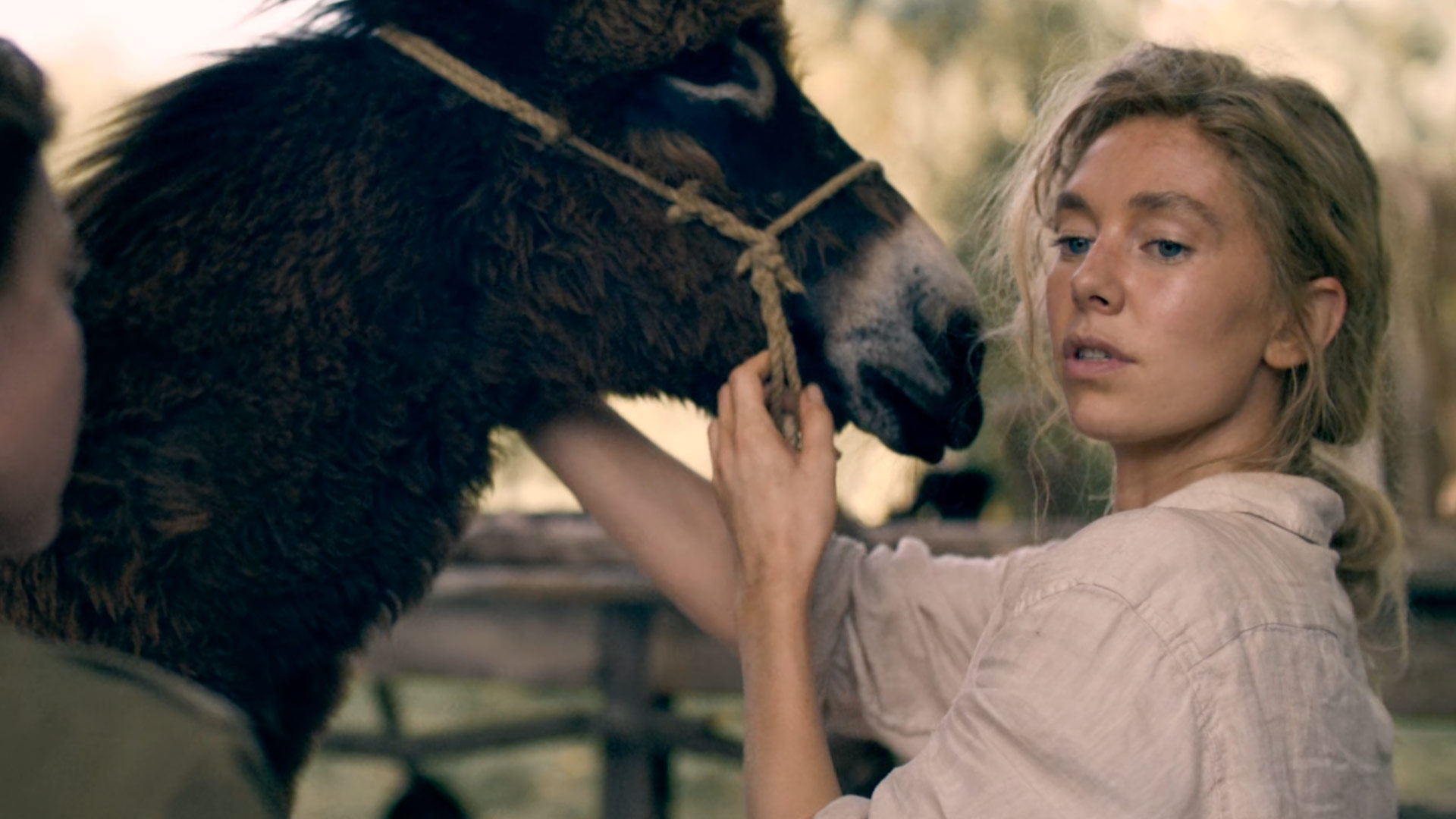
Heinz grows even more intrigued by Friedrich’s work after Friedrich confirms he’s discovered a cure for Dore’s multiple sclerosis, stating she’ll make a full recovery. However, Friedrich doesn’t reveal his methods, only telling Heinz that he and the rest of the world will learn how once he finishes his manuscript.
Multiple sclerosis (MS) is a chronic autoimmune disease that affects the central nervous system, which includes the brain and spinal cord. In MS, the immune system mistakenly attacks the protective covering of nerve fibers called myelin. This damage to myelin forms scar tissue (“sclerosis”) and disrupts the normal transmission of electrical impulses between the brain and other parts of the body. As a result, MS can cause a wide range of symptoms, including numbness or tingling, muscle weakness, coordination and balance problems, vision issues (such as blurred or double vision), fatigue, and difficulties with bladder, bowel, and cognitive functions. Symptoms vary widely among individuals and may come and go in episodes (relapses) or progressively worsen over time. In 1929, treatments were very limited and mostly symptomatic or supportive. Physicians tried a wide range of empirical therapies such as rest, nerve tonics, strychnine, quinine, cod liver oil, and arsenic compounds. Surgery like tonsillectomy or tooth extraction was sometimes used due to a belief that infections might play a role. Other supportive measures included warm baths, massage, exercise, and treatment of specific symptoms like tremors and spasticity. However, none of these approaches were effective in curing or significantly altering the course of the disease. It was not until the late 20th century, specifically from the 1990s onward, that disease-modifying therapies like interferon beta were developed and shown to alter the course of relapsing-remitting MS.
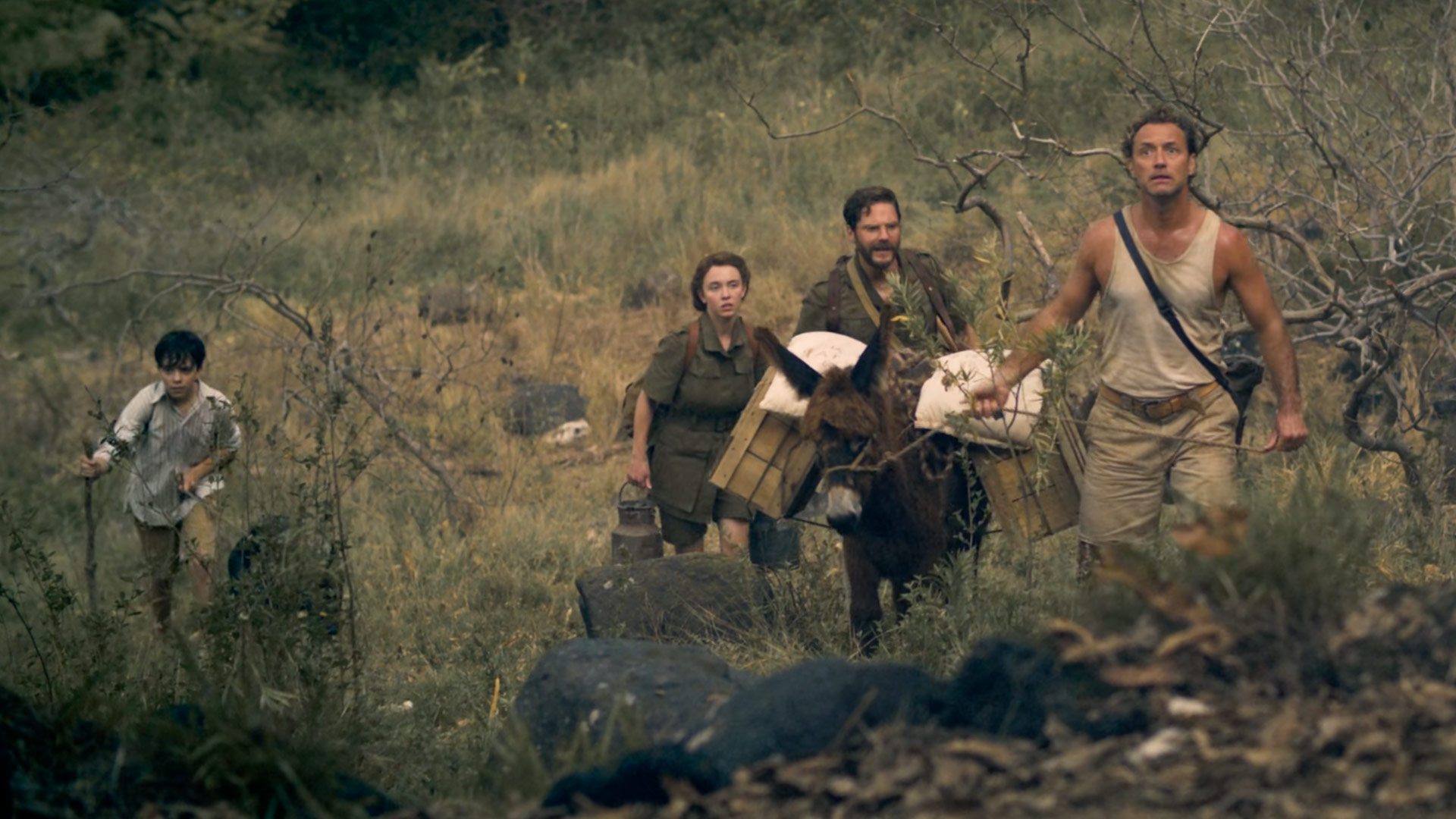
After realizing Heinz and his family intend to stay on the island, Friedrich leads them to a cave on a hill where they can sleep. It’s then revealed that Friedrich and Dore aren’t as nice as they appear. Dore despises Heinz’s family, and Friedrich deliberately took them to a cave where growing crops is impossible. He expects Heinz’s family to flee the island even before the rainy season ends.
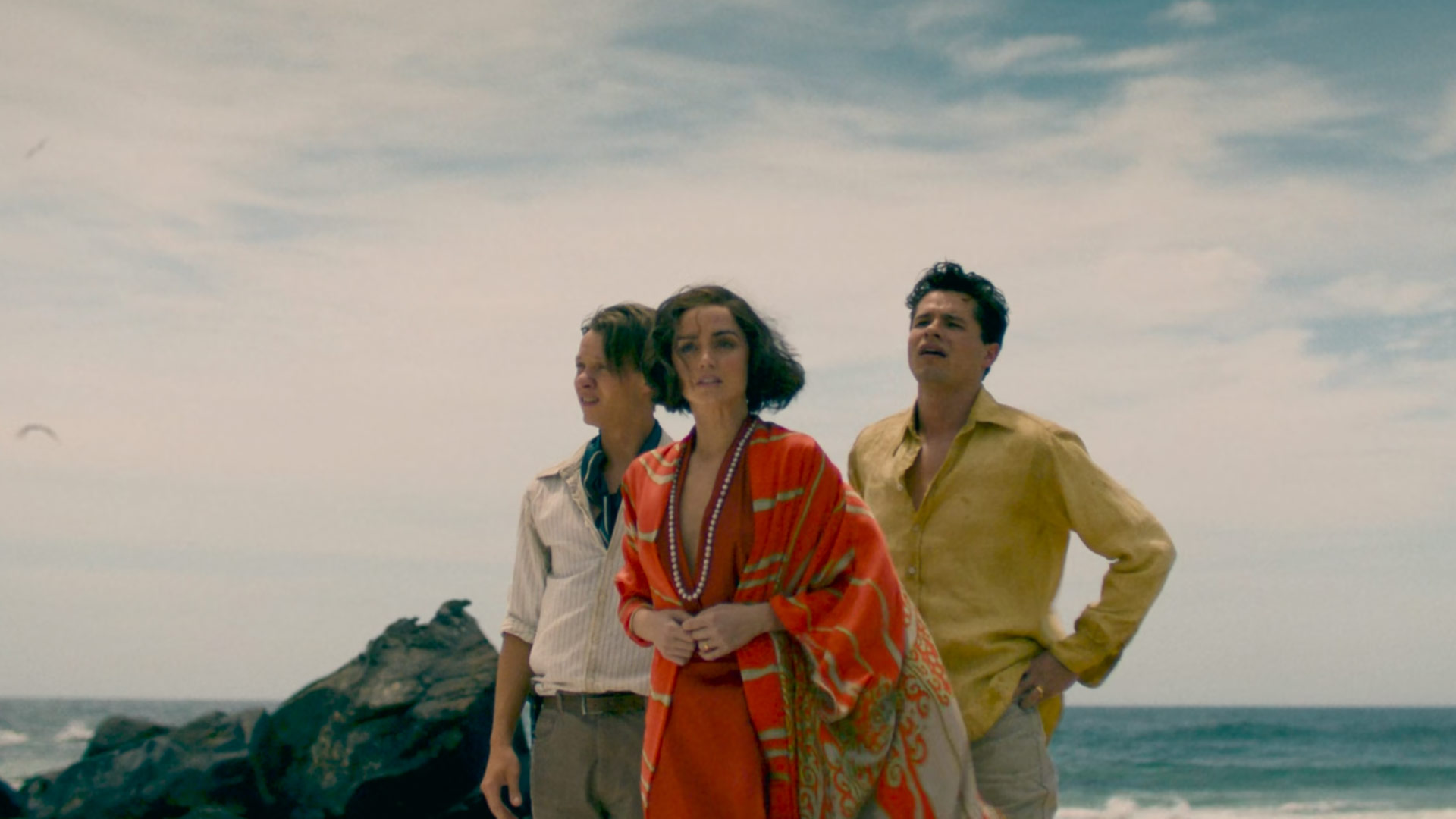
Heinz and his family prove tougher than Friedrich had estimated. They endure, digging a pond, cultivating a vegetable farm, and constructing a makeshift house. Margret soon realizes they are truly on their own and that Friedrich and Dore are not friendly at all. Friedrich’s fragile solitude is shattered once again when Baroness Eloise Bosquet de Wagner Wehrhorn (Ana de Armas) arrives with her entourage: Rudolph “Rudy” Lorenz (Felix Kammerer), Robert Phillipson (Toby Wallace), and Manuel Borja (Ignacio Gasparini). The Baroness has secured a land on Floreana with ambitious plans to build “Hacienda Paradiso,” a resort she envisions as the most exclusive in the world.
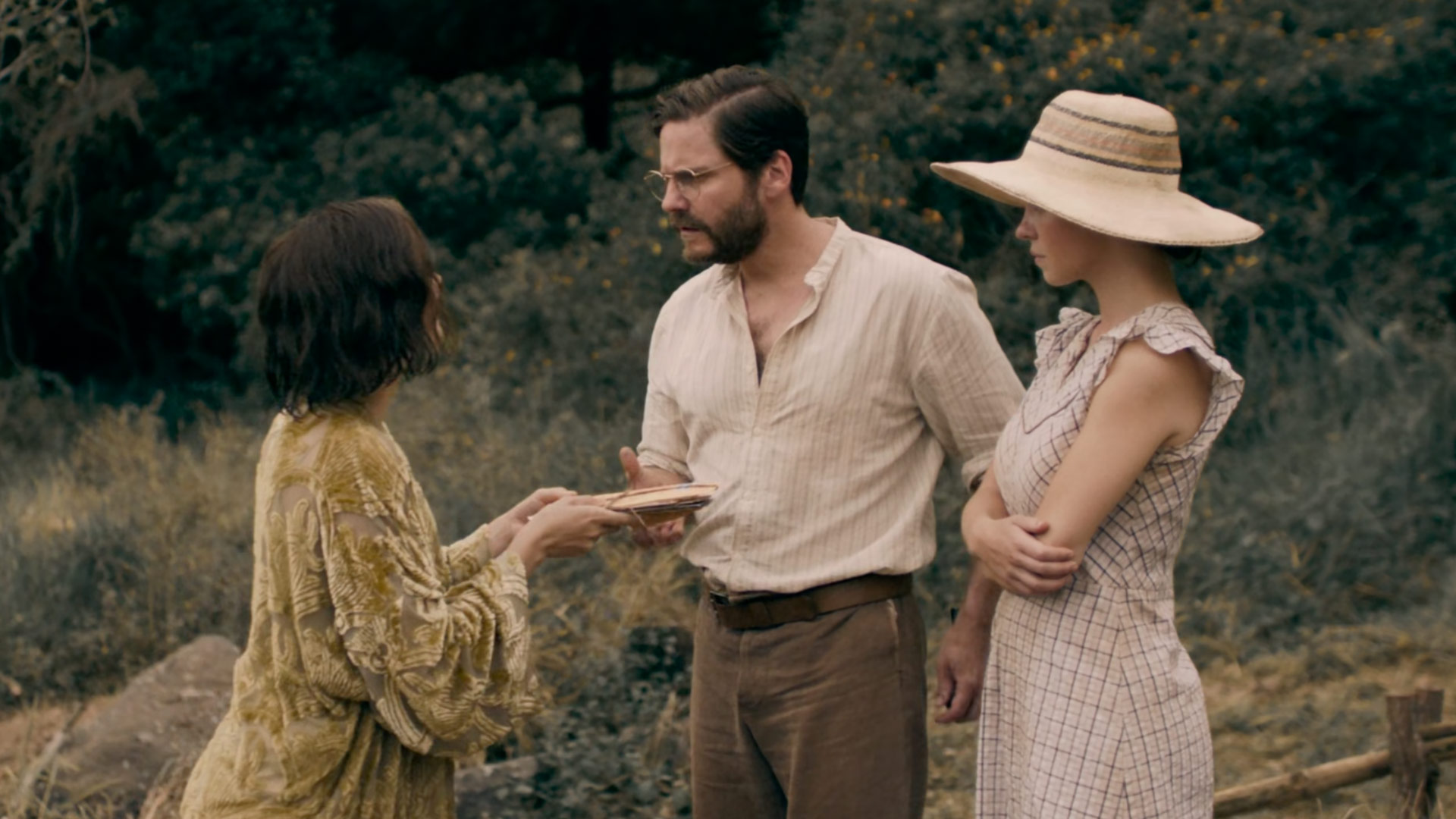
Friedrich devises a plan to eliminate both parties simultaneously. He points the Baroness to Heinz’s pond, suggesting they wash off salt water there, knowing this will enrage Heinz. However, the Baroness outsmarts him. She gives Heinz his mail, which includes Friedrich’s letters she purposely held back and opened. She then tells Heinz to give them to Friedrich. This act reveals to everyone that trust is a luxury no one on the island can afford.
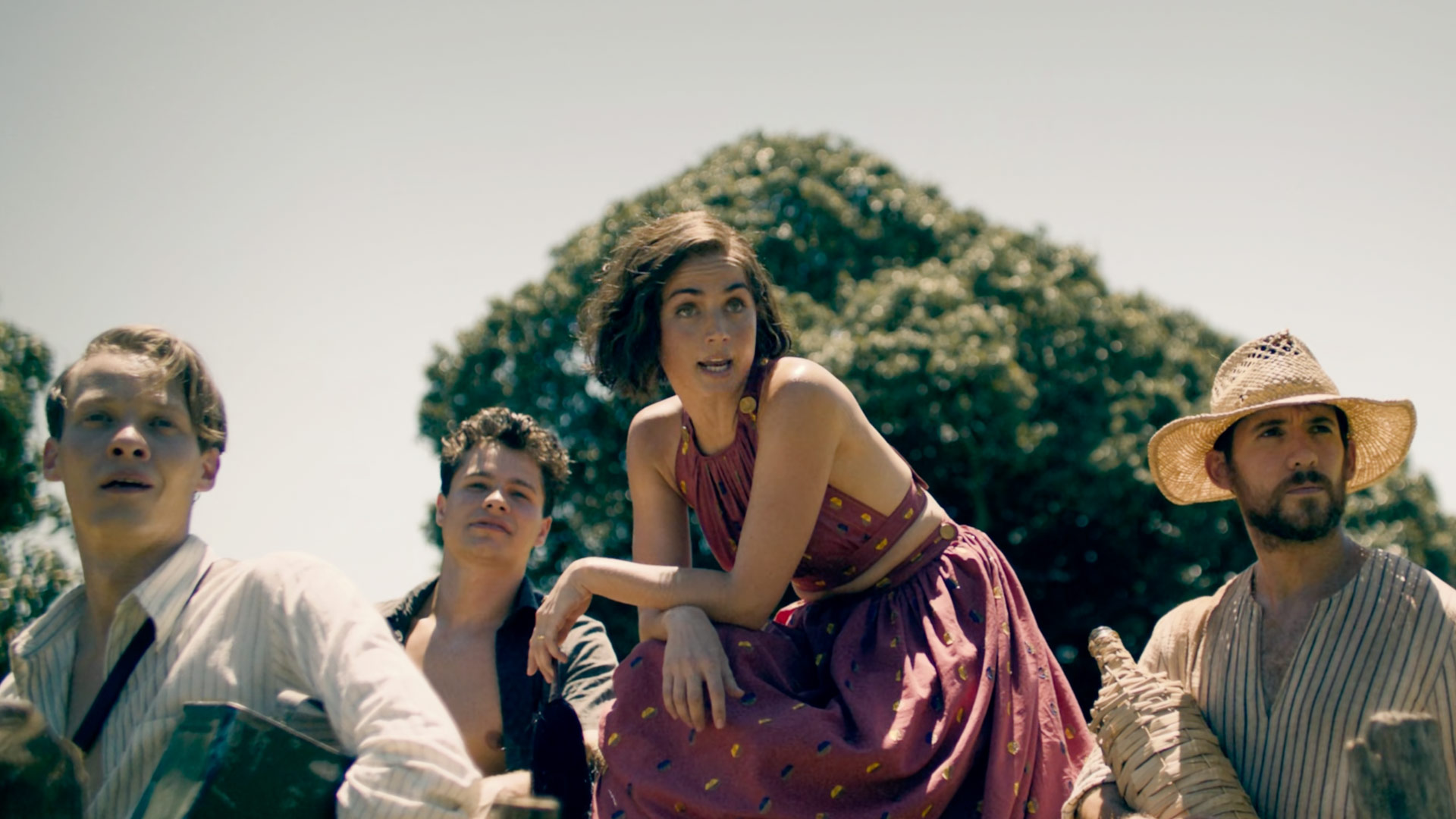
Directed by American filmmaker Ron Howard from a screenplay by Noah Pink, EDEN is a gripping psychological thriller inspired by the true story of European settlers who sought paradise on Floreana Island in the 1930s Galápagos.
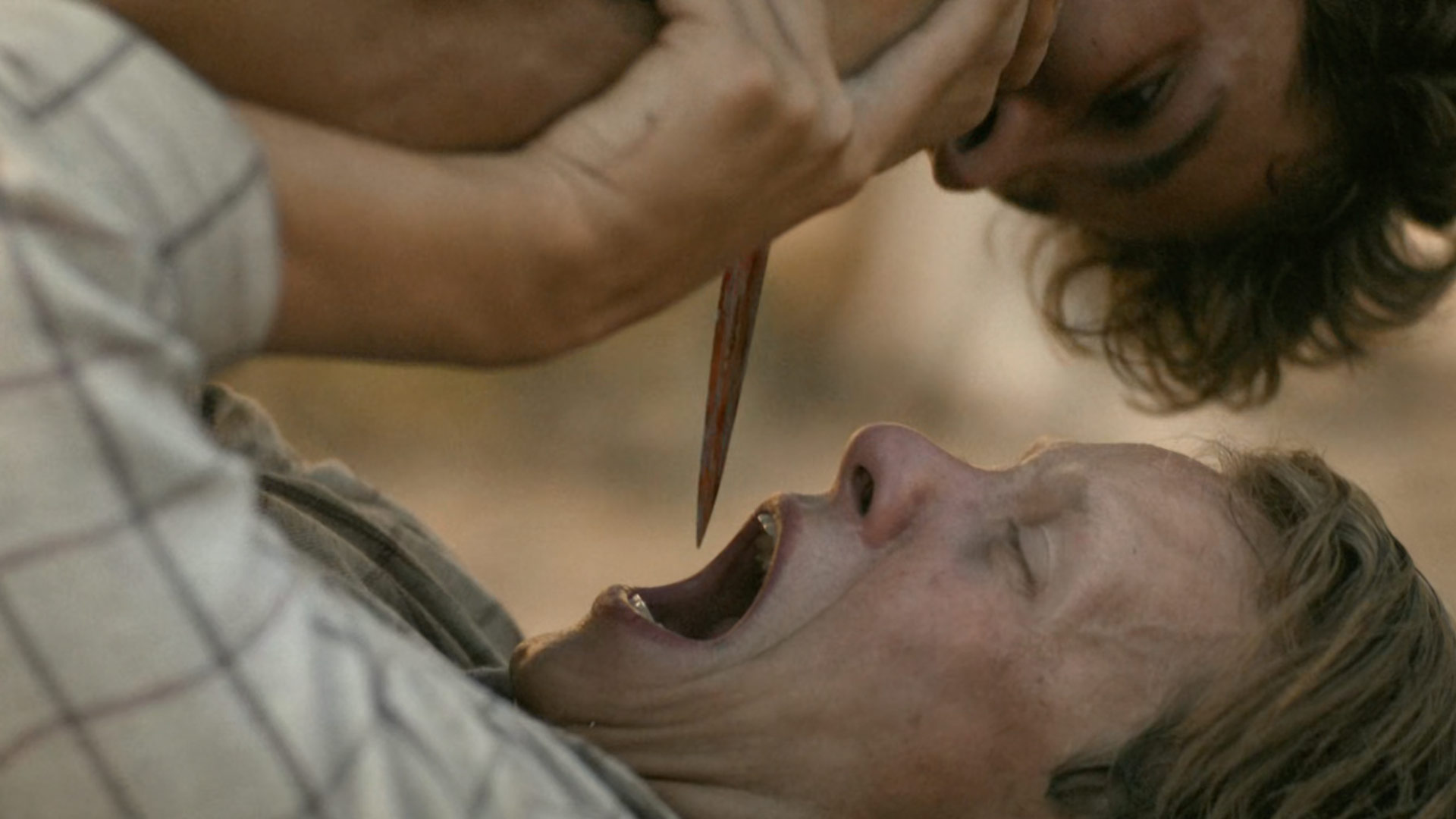
What begins as an idealistic attempt to build a utopian society quickly descends into conflict, paranoia, and unexplained disappearances, as the island’s isolation exposes the darkest corners of human nature.
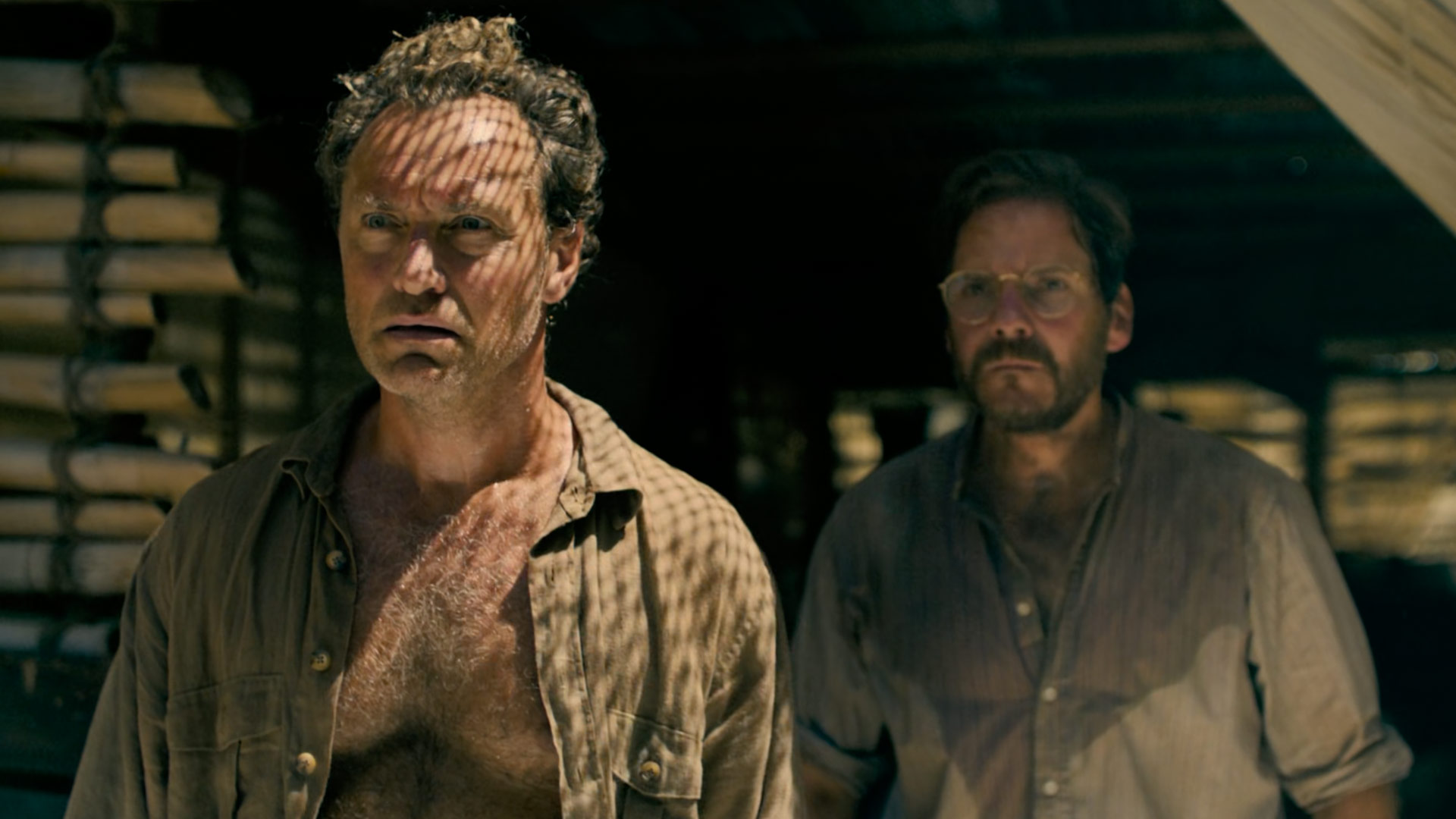
The characters, though supposedly based on real historical figures, inexplicably appear deranged and make illogical choices at every turn. Friedrich Ritter is introduced as a former physician who sought to abandon civilization and write a manifesto on an island, yet the film offers no explanation for his self-centered and utterly selfish behavior.
Friedrich Ritter (1898–1989) was both a German physician and a botanist, though he is best known for his work in botany. Initially trained and practicing as a medical doctor in Berlin, he later left his medical career to focus on his passion for studying and collecting cacti. Ritter traveled extensively in Latin America, becoming a renowned expert in cacti and contributing significantly to the field of botany. His legacy is honored by the cactus genus Ritterocereus, named after him. Friedrich Ritter met Dore Strauch in Germany, where she was initially his patient before they became life partners. Both left everything behind and shared a desire to escape the turmoil of post-World War I Germany. Together, they planned to start a new life seeking solitude and communion with nature. This led them to move to the uninhabited Floreana Island in the Galápagos in 1929, aiming for a simple, peaceful existence far from modern society.
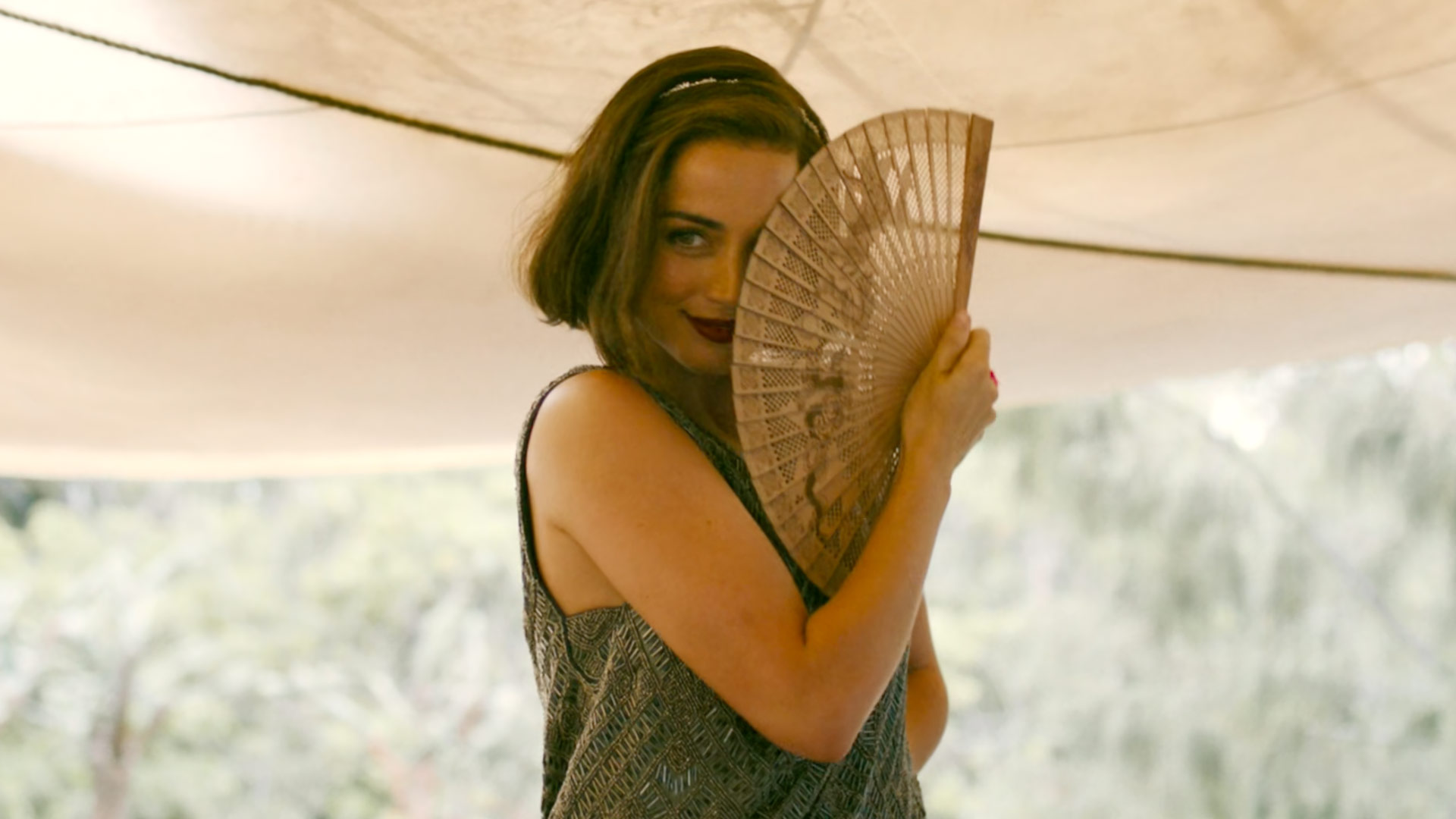
And the Baroness, with her grand plan for the most exclusive resort for millionaires, brings only a single engineer who is expected to both design and build the entire hotel by himself? The logic simply isn’t there.
Baroness Eloise Bosquet de Wagner Wehrhorn, often known simply as “the Baroness,” was a colorful and controversial figure who arrived on Floreana Island in the Galápagos in the early 1930s. She was an Austrian self-styled aristocrat who called herself the “Empress of Floreana” and came to the island with two younger lovers, Rudolf Lorenz and Robert Phillipson, as well as an Ecuadorian servant. Unlike other settlers seeking solitude or a simple life, she immediately had ambitious plans to build a grand hotel called Hacienda Paradise. The Baroness was known for her flamboyant, dramatic personality and grandiose ideas that often clashed with reality. She quickly set up a makeshift homestead and declared her intentions, but the project never truly got off the ground.
Ana de Armas delivers an outstanding performance as the flamboyant Baroness, balancing cunning ambition with unhinged theatrics. She commands every scene with dangerous charm, making her escalating ruthlessness both mesmerizing and terrifying.
I only wish the film hadn’t revealed her deceptions so early. If they maintained some enigma around her schemes until the very climax, her descent into full-blown psychopathy would have landed with a far more devastating impact.
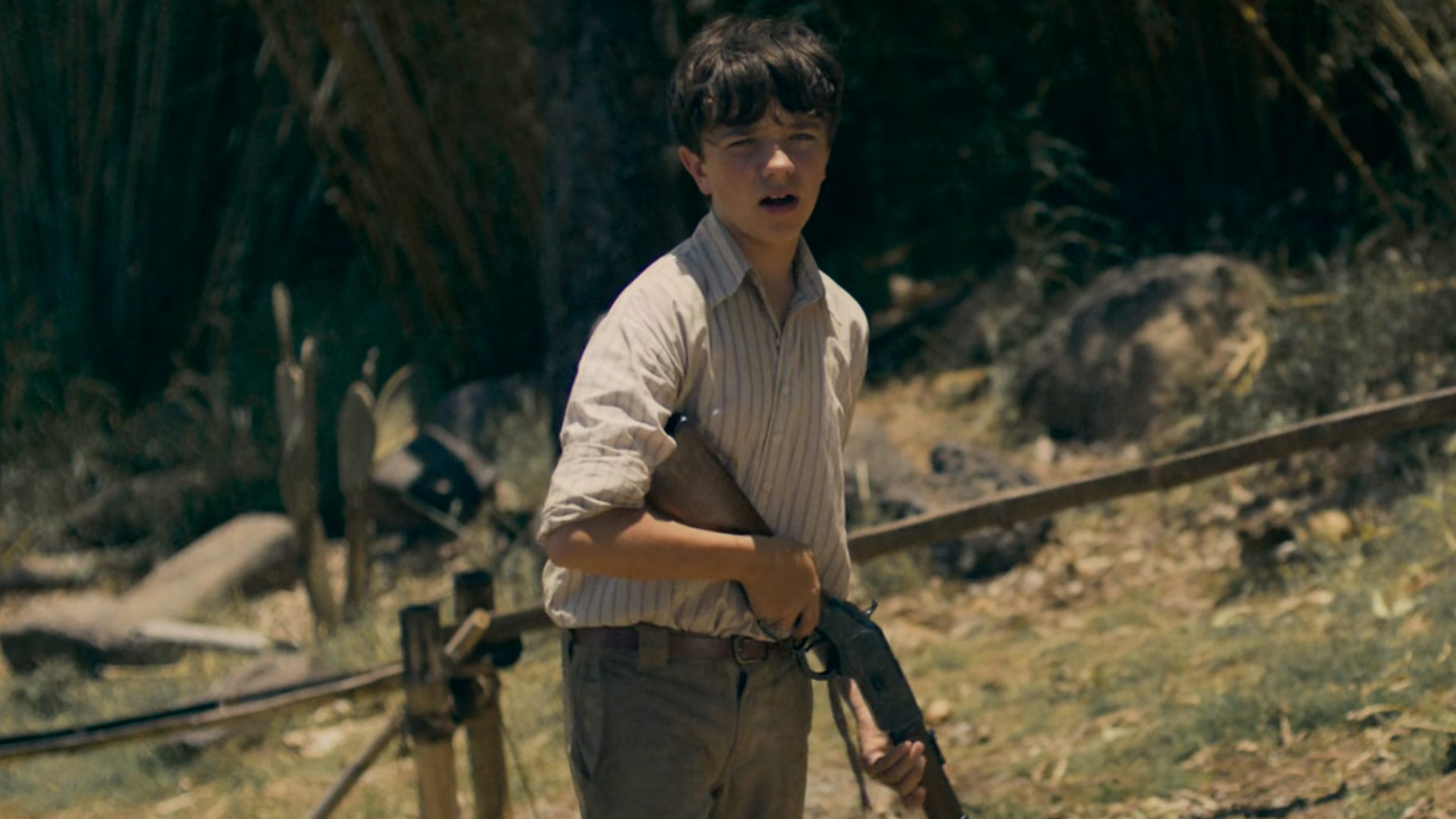
While the film features a stellar cast and stunning cinematography, the narrative drags on for an excruciatingly long time with almost no surprising twists. It’s filled with unlikable characters, making it impossible to root for any of them to survive.
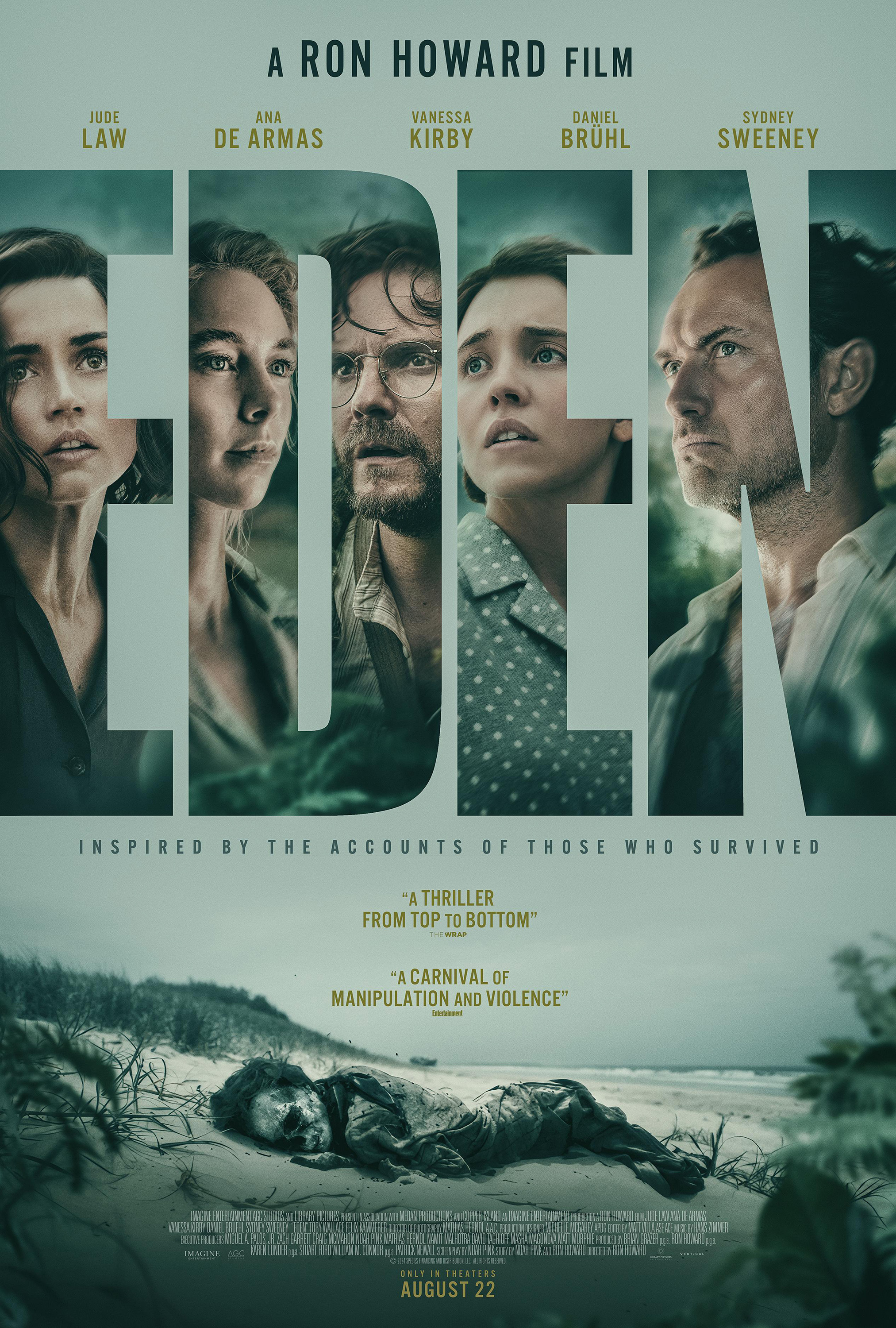
EDEN premiered at TIFF on 7 September 2024. The film is scheduled for cinema release in the United States on 22 August 2025.

EDEN (2025)
Inspired by the accounts of those who survived