


Ainda Estou Aqui (I’m Still Here) received 3 nominations at the 2025 Academy Awards. The film was recognized for Best Picture, Best International Feature Film, and Best Actress (Fernanda Torres). It won one Oscar for Best International Feature Film, marking the first time a Brazilian film has won in this category.
Brazil, 1971: a country in the tightening grip of a military dictatorship. A mother is forced to reinvent herself when her family’s life is shattered by an act of arbitrary violence. A film by Walter Salles, starring Fernanda Torres, Selton Mello, Valentina Herszage, Luiza Kosovski, Maria Manoella, Marjorie Estiano, Bárbara Luz, Cora Mora, Gabriela Carneiro da Cunha, Olívia Torres, Guilherme Silveira, Antonio Saboia, Pri Helena, Dan Stulbach, Thelmo Fernandes, Humberto Carrão, Maeve Jinkings, Carla Ribas, Camila Márdila, Daniel Dantas, Charles Fricks, Helena Albergaria, Marcelo Varzea, Caio Horowicz, Maitê Padilha, Luana Nastas, Isadora Ruppert, Luiz Bertazzo, Lourinelson Vladmir, Alexandre Mello, Augusto Trainotti, Alan Rocha, and Fernanda Montenegro.
Ainda Estou Aqui
I’M STILL HERE
Walter Salles
(2024)

In 1970, six years after the military coup in Brazil, Rubens Paiva (Selton Mello) now works as a civil engineer. He was previously a Congressman in Brazil’s Chamber of Deputies before the 1964 coup d’état changed the course of his life. Despite his political past, he’s now living a relatively quiet life with his wife Eunice (Fernanda Torres) and their five children — Veroca (Valentina Herszage), Nalu (Bárbara Luz), Eliana (Luiza Kosovski), Marcelo (Guilherme Silveira), and Babiu (Cora Mora) — in their home near Leblon beach in Rio de Janeiro.
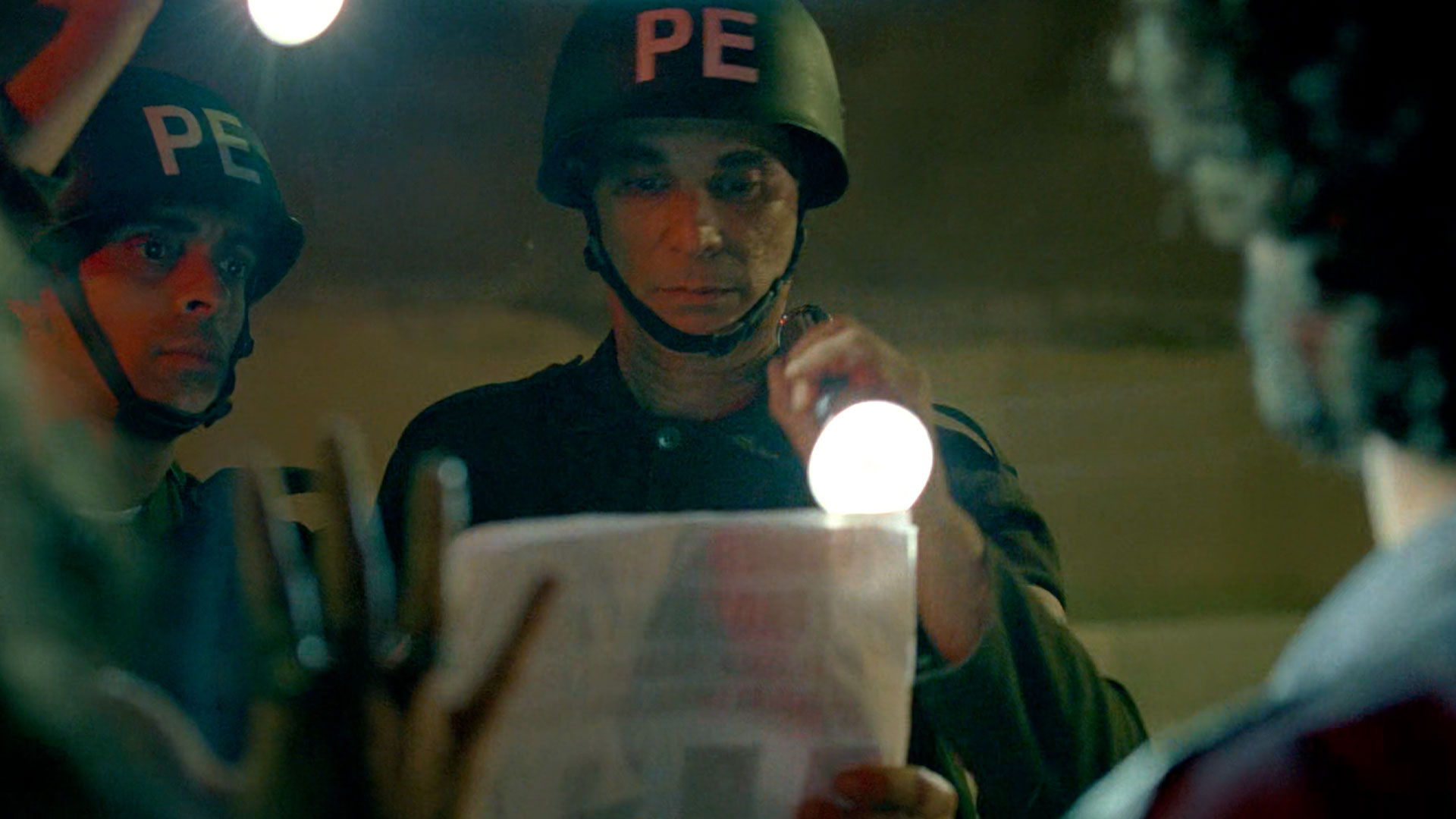
On 7 December 1970, Brazil’s political situation intensifies when the Swiss ambassador Giovanni Enrico Bucher is kidnapped by the revolutionary urban guerrilla group Vanguarda Popular Revolucionária (VPR). The group demands the release of 70 political prisoners, pushing the country toward greater political instability.
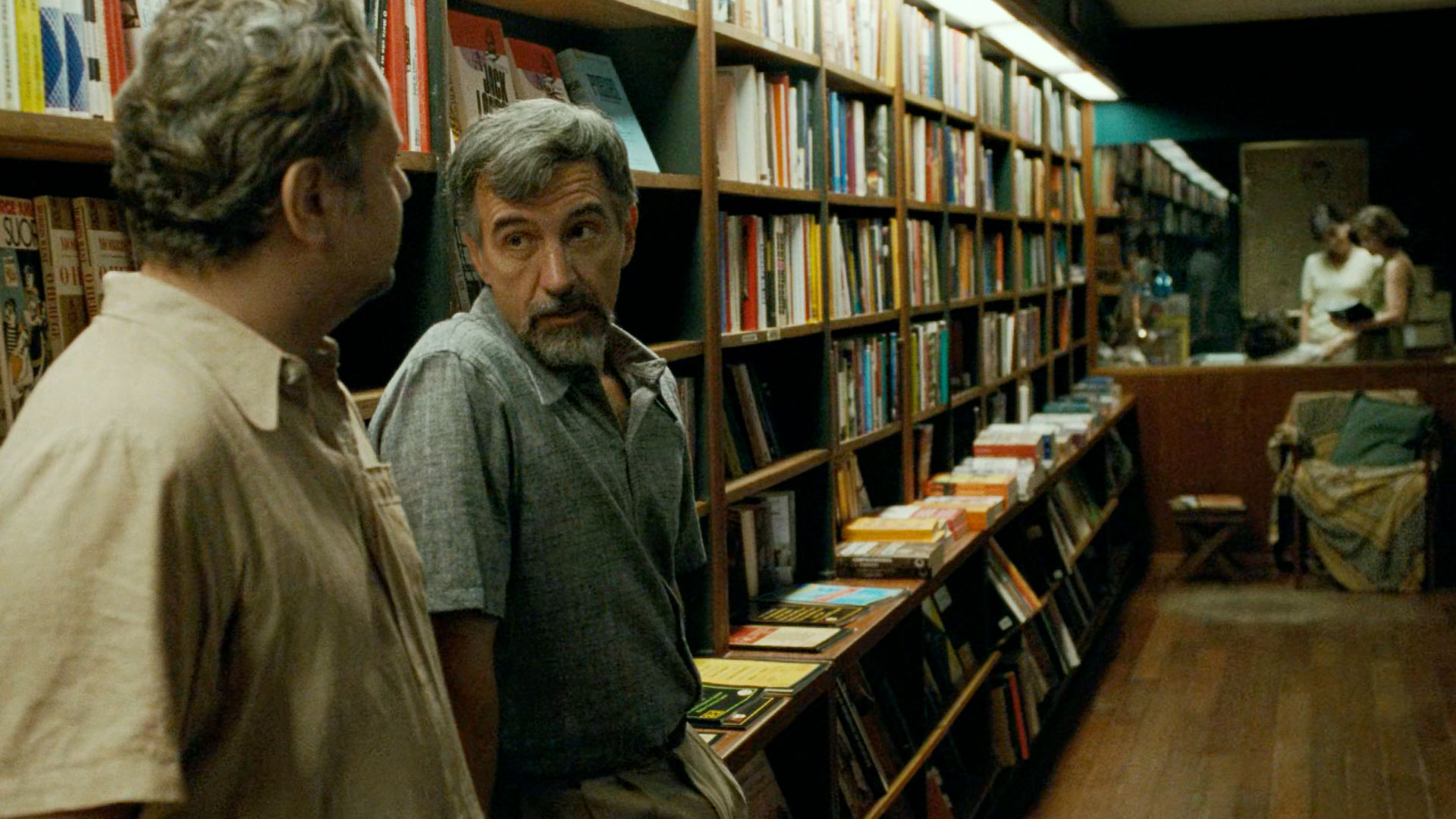
Worried that their oldest daughter Veroca might be drawn to join the revolutionary movement, Eunice convinces her husband Rubens to send their daughter to stay with family friends. Their friend Fernando Gasparian (Charles Fricks) has decided to close his bookshop and relocate to London with his wife Dalva (Maeve Jinkings), providing a safer environment for Veroca away from Brazil’s political turmoil.

Unknown to his family, including his wife Eunice, Rubens is living a double life. While maintaining the appearance of a devoted family man, he’s secretly involved in activities that the Brazilian military dictatorship considers subversive. His often receives mysterious phone calls about package deliveries that are arranged to be dropped at his office.
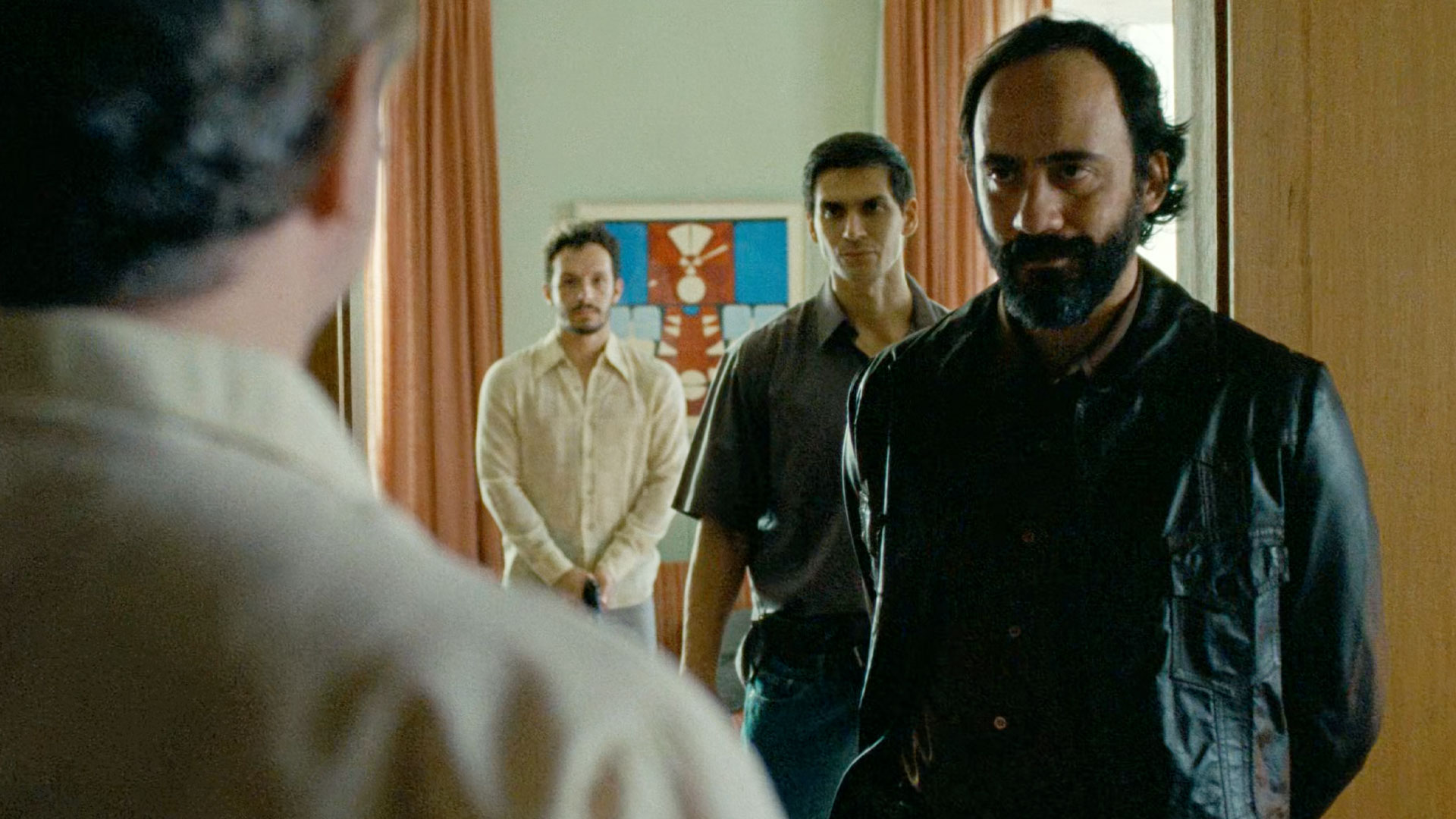
On 20 January 1971, the family’s life changes forever when military forces, led by parapsychologist Dr. Schneider (Luiz Bertazzo), arrive at their home. Schneider insists that Rubens must accompany them to give a deposition at an undisclosed location. With no choice but to comply, Rubens gets into his red car with one of Schneider’s men and drives away.
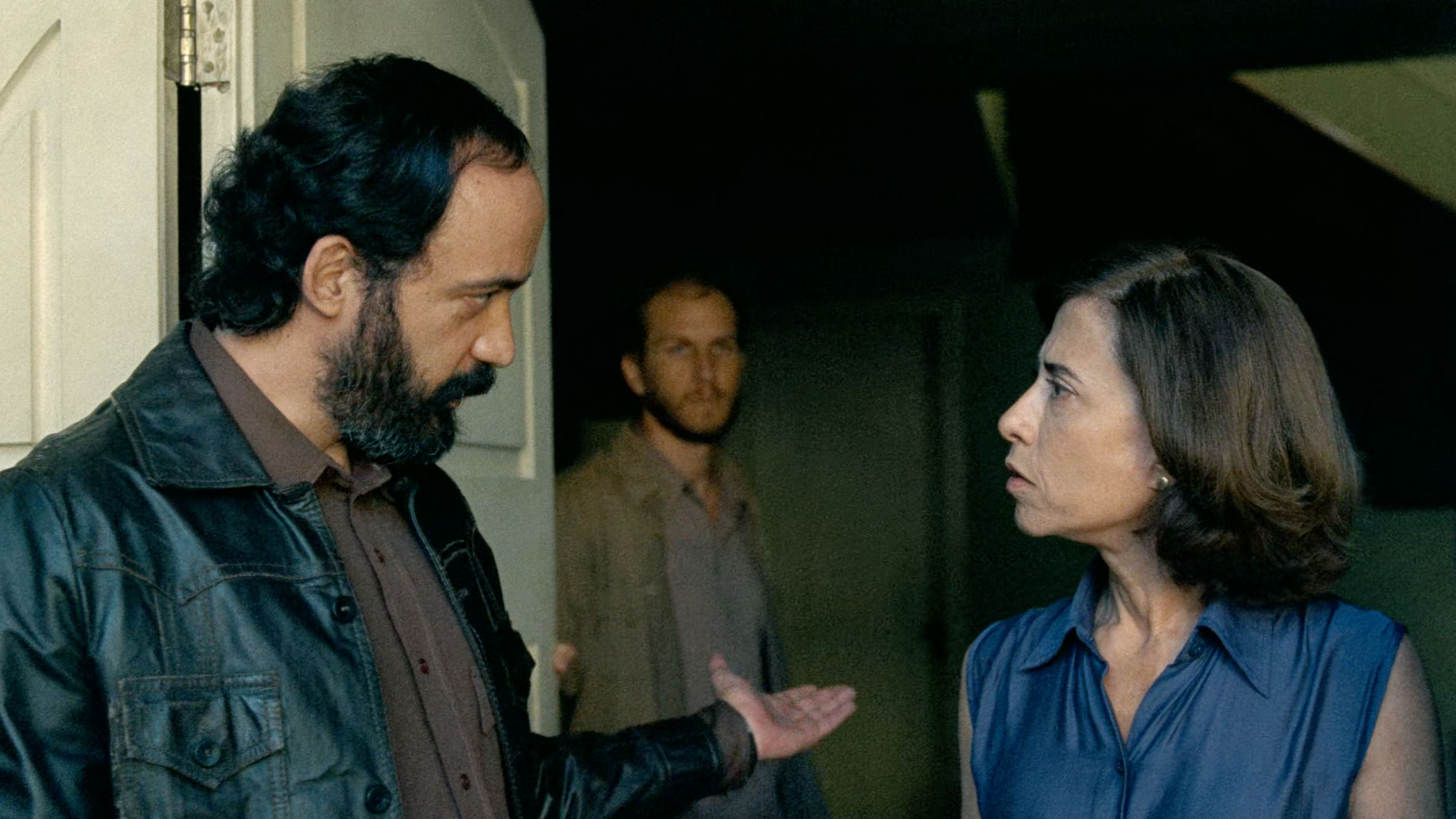
Though Dr. Schneider assures Eunice that her husband will return soon, this proves to be untrue as it’s the last time she ever sees Rubens. The military regime has been suspicious of Paiva, believing he possessed information about armed guerrilla organizations, particularly after he received a letter from an exile.
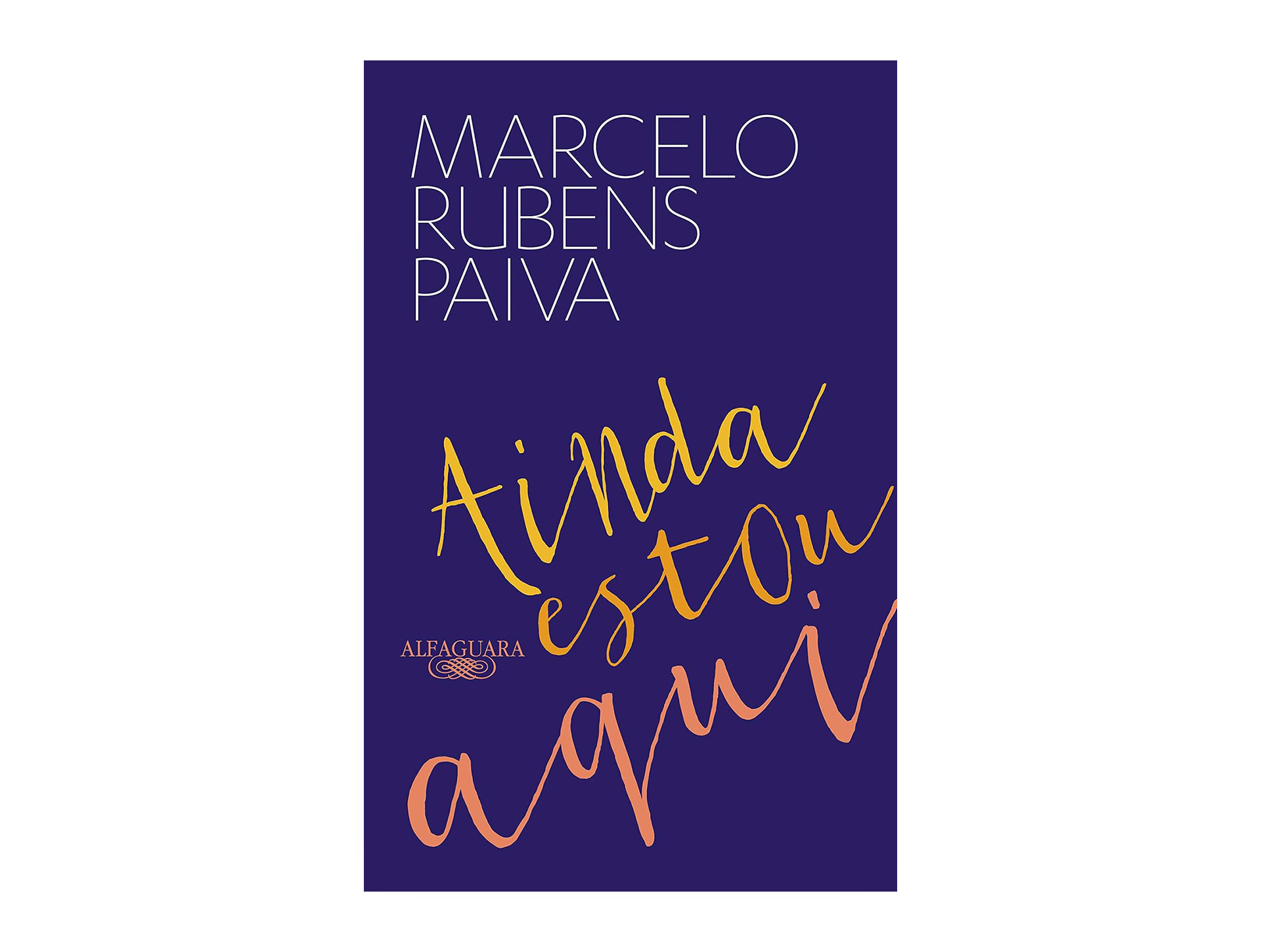
Directed by renowned Brazilian filmmaker Walter Salles, “Ainda Estou Aqui” (I’m Still Here) is a moving political drama based on Marcelo Rubens Paiva’s 2015 memoir. With a screenplay by Murilo Hauser and Heitor Lorega, the film brings to life this powerful biographical story.
Fernanda Torres delivers an outstanding and transformative performance as Eunice Paiva, a woman thrust into extraordinary circumstances. Initially a housewife, she’s forced to become the family’s pillar of strength after her husband is arrested, tortured, and killed by Brazil’s military dictatorship. Torres captures Eunice’s evolution from dependent spouse to resilient matriarch as she raises her children and holds the family together through unimaginable trauma.
The film’s impact is deeply amplified by its roots in true historical events. This connection to reality infuses the story with emotional depth and historical importance, allowing viewers to engage with a pivotal chapter in Brazil’s history. Through the intimate perspective of one family’s struggle against state violence and their resilience in the face of tragedy, the narrative becomes both personal and profoundly universal.
The Brazilian government admitted that Rubens Paiva was murdered inside the barracks of the First Army Division in Rio de Janeiro between 21-22 January 1971. In 2014, five military officers were charged with his torture and death. None of them have been arrested or punished to this day. Eunice Paiva got her law degree at the age of 48 and dedicated her career to the defense of human rights. She became one of the few experts in indigenous rights and a consultant for the Brazilian federal government, the World Bank and the UN. Eunice died in 2018, at the age of 89, in São Paulo, after living with Alzheimer’s disease for 15 years.
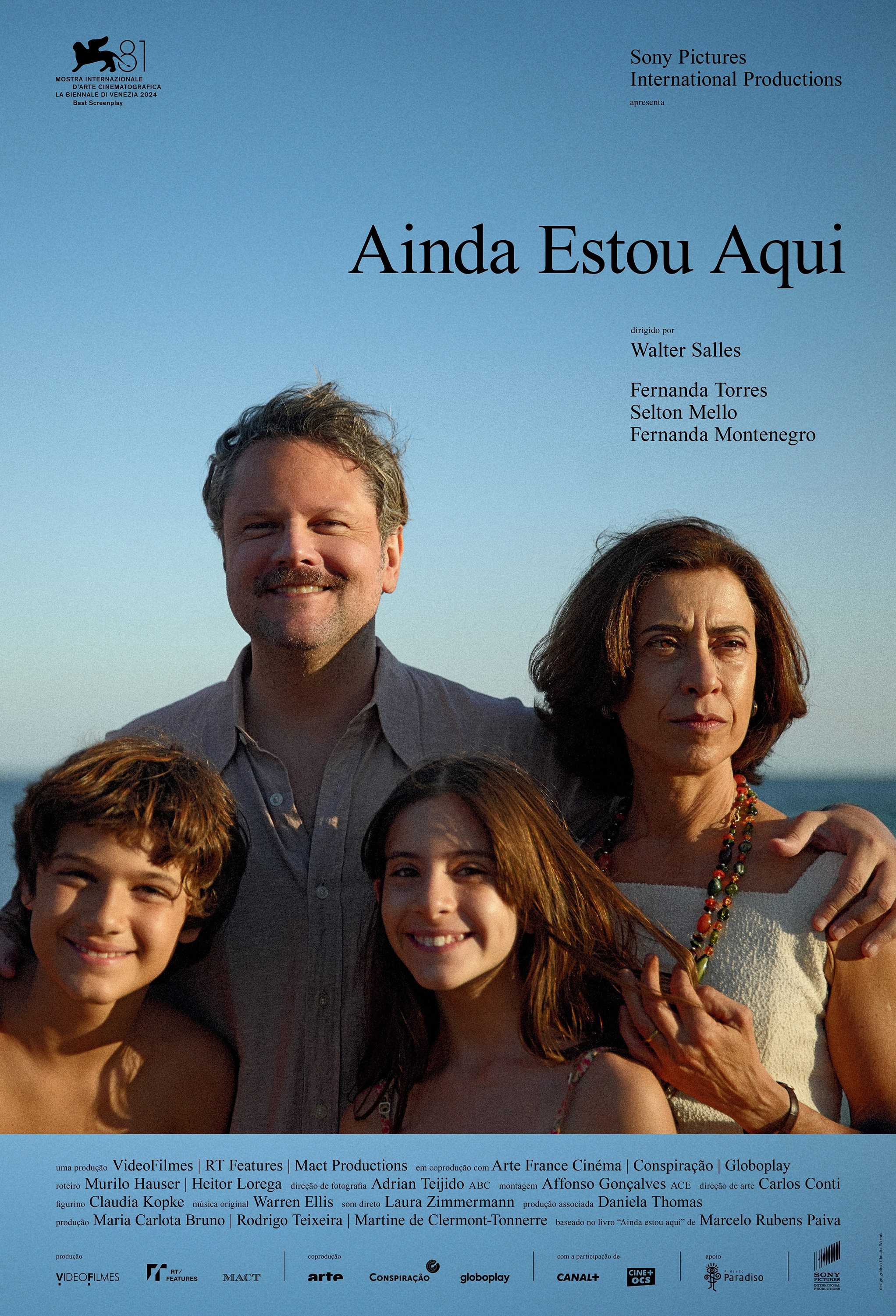
Ainda Estou Aqui (I’m Still Here) premiered at Biennale di Venezia on 1 September 2024. The film was theatrically released in Brazil on 7 November 2024.