

In 1789 France, a dismissed cook finds the strength to free himself from his master and opens the first restaurant with the help of a mysterious woman. A film by Éric Besnard, starring Grégory Gadebois, Isabelle Carré, Benjamin Lavernhe, Guillaume de Tonquédec, Christian Bouillette, and Lorenzo Lefèbvre.
Délicieux
Delicious
Éric Besnard
(2021)
Several months before the French Revolution (Révolution française) of 1789, the nobles fixate on lavish meals and feasts as a means to both satisfy their decadent indulgences and escape the clutches of boredom. These extravagant displays of wealth becomes testaments to their privileged lives, standing in stark contrast to the dire situation of the French people, many of whom struggle to feed their families.
Révolution française (French Revolution) was a major political and social upheaval in France that marked the end of the monarchy and feudal privileges. It officially began on 5 May 1789, with the convening of the Estates-General, followed by the Third Estate declaring itself the National Assembly and taking the Tennis Court Oath. Key events include the Storming of the Bastille, the abolition of feudal rights, and the adoption of the Declaration of the Rights of Man and of the Citizen. It also featured the Women’s March on Versailles, bringing the king more closely under revolutionary control. The Revolution officially ended on 9 November 1799, when Napoleon Bonaparte seized power in a coup d’état. This decade-long period set the foundation for transforming France into a republic based on democratic and human rights principles.
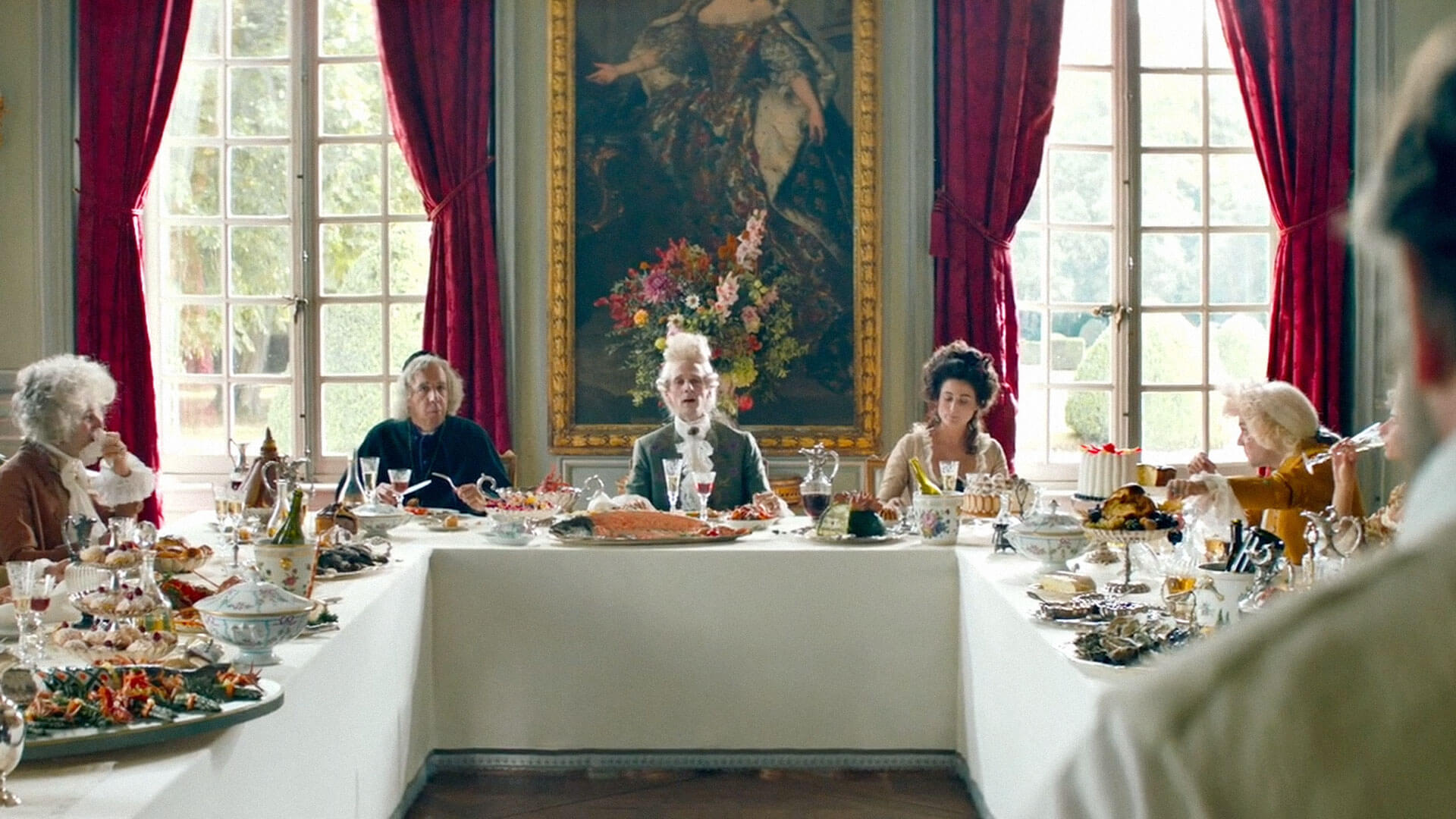
While most French people dine within the confines of their homes, taverns and inns offer simpler fare to weary travelers. However, these establishments, though providing sustenance, do not resemble the formal restaurants we are familiar with today. (Though not yet widespread, a record indicated that the first restaurant was established in Paris in 1765.)
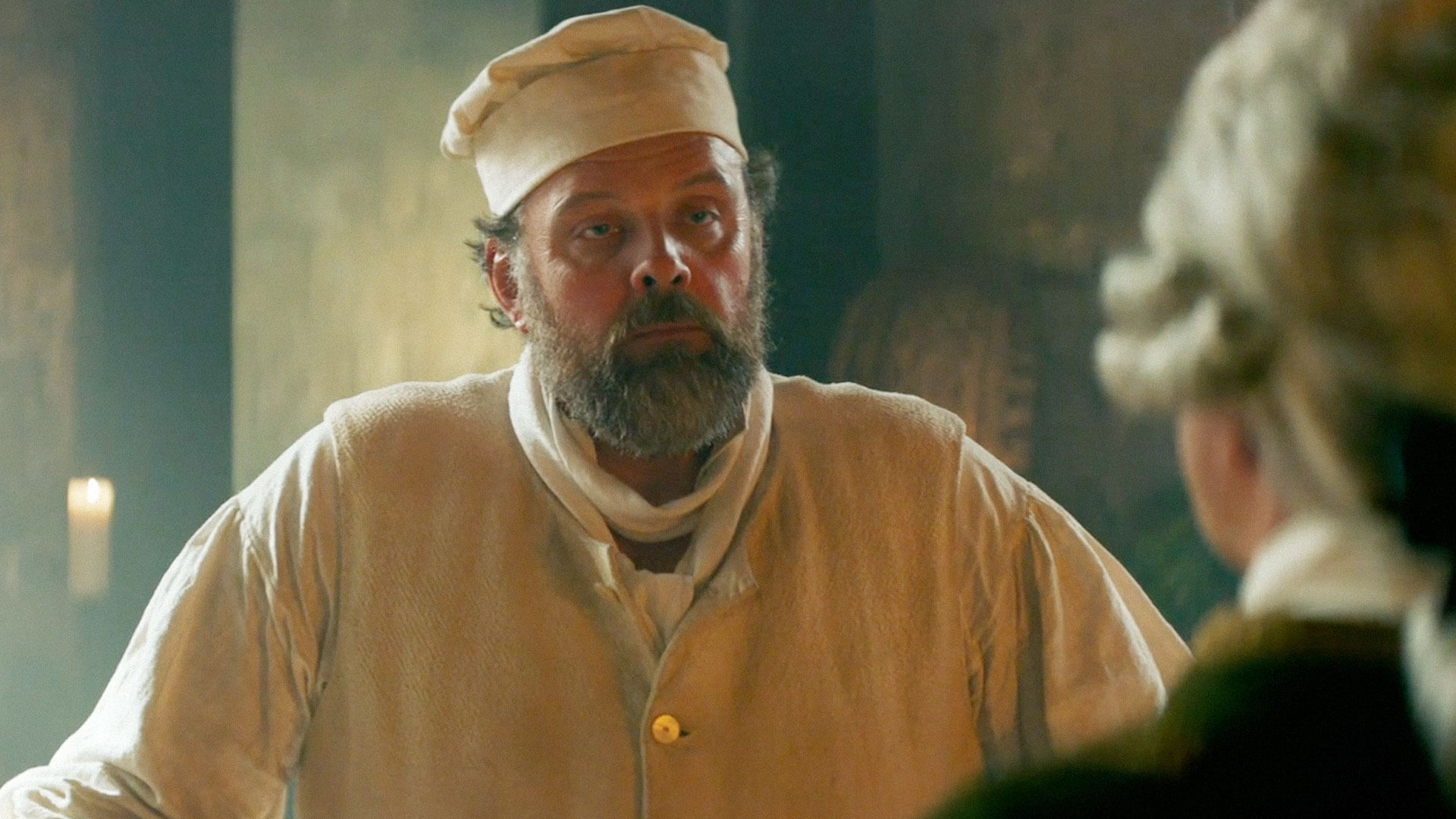
Though rooted in centuries-old traditions, Pierre Manceron (Grégory Gadebois), the Duke of Chamfort’s creative cook, is determined to break free from the mold in 18th-century France. He yearns to craft a dish unlike any other, a whimsical dessert he names “Le Délicieux,” an unconventional blend of flour, cheese, truffles, and humble potatoes, set to redefine the boundaries of his manor’s regular menu.
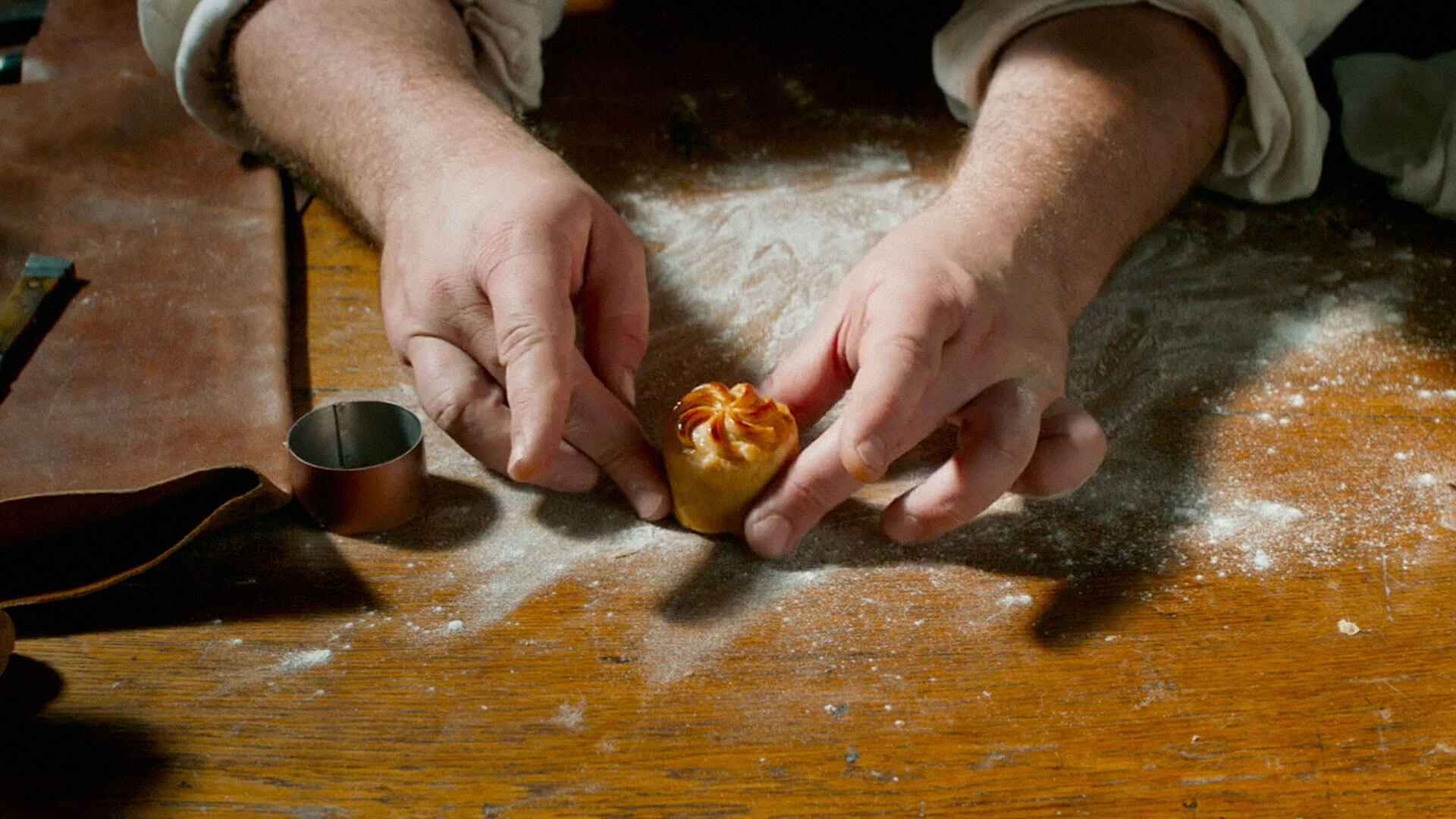
The guests are in raptures. Praises for Pierre’s masterful skill fill the air as they savor the meal. The bishop (Gilles Privat), however, remains unenthused. His curiosity piqued, and he inquires about the composition of Pierre’s creation. The bishop is visibly shocked when Pierre replies that his creation is called “Le Délicieux,” a symphony of potatoes and truffles. In 18th-century France, such lowly ingredients were forbidden at a noble’s table. Everything that sprouted beneath the earth was deemed fit only for pigs and peasants. Humiliation burns in the Duke’s eyes as the Duke (Benjamin Lavernhe) demands Pierre apologize to his guests.

Unflinching in his conviction, Pierre refuses to apologize, believing he has created a masterpiece, not committed an offense. The Duke, caught between his own admiration for Pierre’s talent and the stifling shackles of tradition, has no choice but to release him from his service. Pierre and his son Benjamin (Lorenzo Lefèbvre) are banished from the manor, forced to return to the familiar rhythms of peasant life in Pierre’s childhood home. Though stripped of his position, Pierre’s loyalty to the Duke of Chamfort remains unshaken, even in the face of this bitter dismissal.

One day, a woman introduces herself as Louise (Isabelle Carré), the jam maker who used to work in the kitchen of Earl de Briançon. She approaches Pierre, asking to be his apprentice to learn about cooking. But Pierre, refraining from cooking, declines her request.
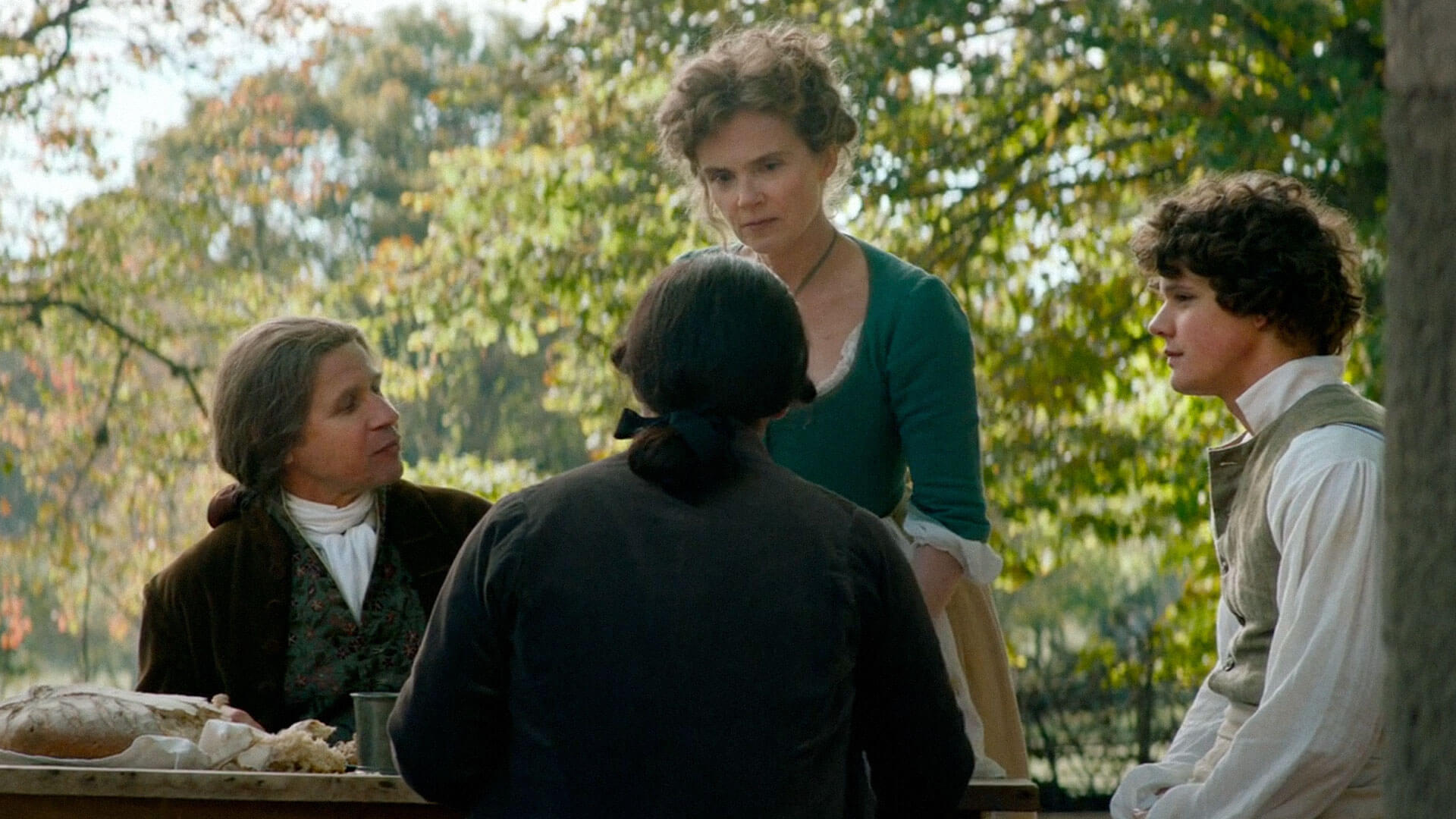
Undeterred, Louise persists. Pierre finally accepts her as his apprentice after she reveals the news about the duke firing his latest replacement cook and expresses her admiration for his potato and truffle creation. She also tells him she believes the Duke will soon rehire him. However, Louise harbors an ulterior motive, one that remains hidden from Pierre.

Délicieux (Delicious) is a period comedy-drama directed by French filmmaker Éric Besnard, from a script he co-wrote with Nicolas Boukhrief. Besnard’s notable works include the French heist action thriller film LE CONVOYEUR (Cash Truck) and its Hollywood remake, Guy Ritchie’s WRATH OF MAN.

The film boasts beautifully crafted storytelling, complemented by romantic comedy elements that make it an enjoyable watch. While the final twist might not be as harsh as expected, the cast delivers believable performances that seamlessly fit their roles. Jean-Marie Dreujou’s cinematography masterfully captures the landscapes, atmosphere, food, and people, transforming them into breathtaking moving paintings.
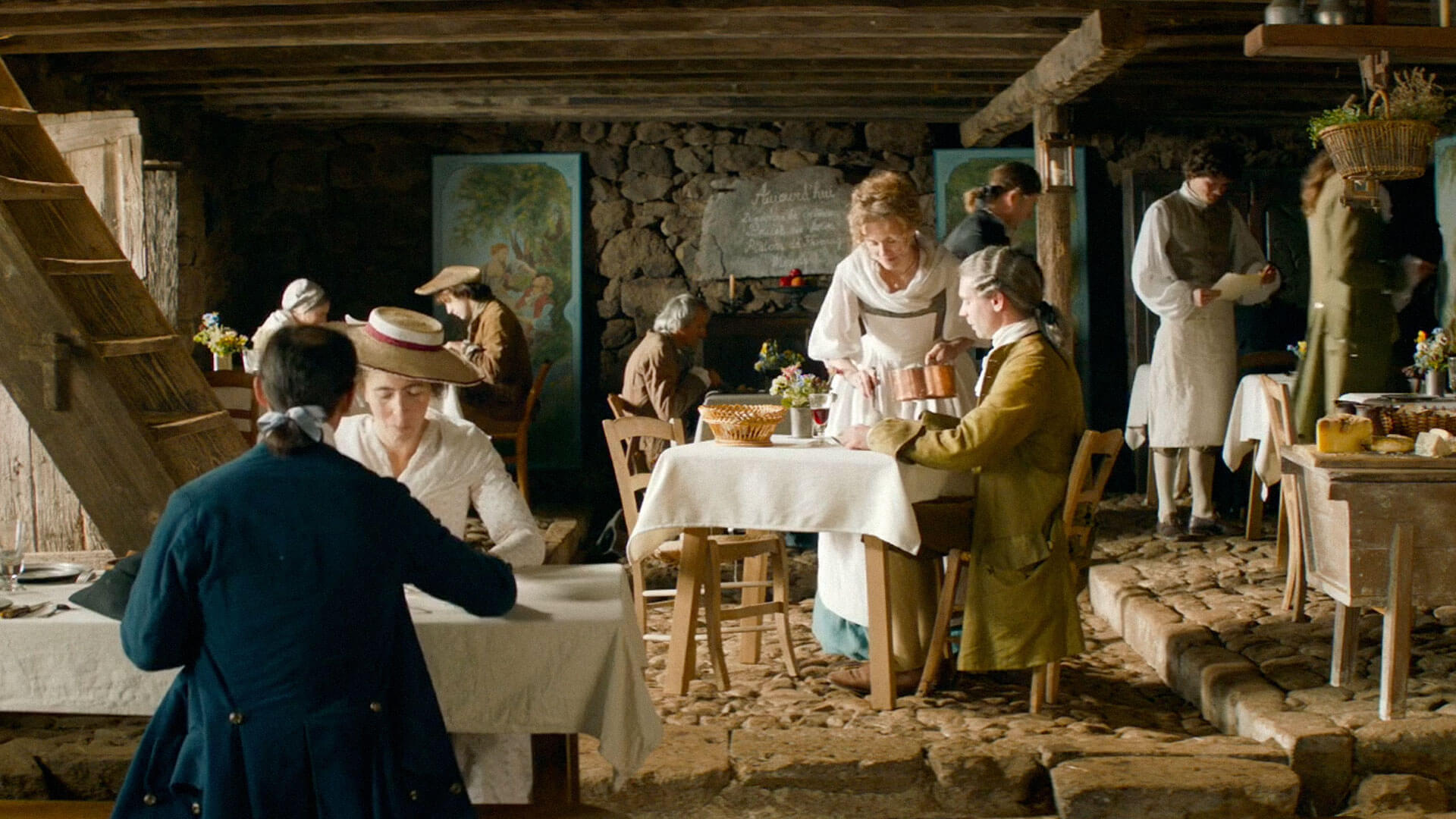
The film’s ending coincides with the dawn of the French Revolution (5 May 1789 – 9 November 1799), a tumultuous period that forever altered France. This dramatic upheaval toppled the absolute monarchy, abolished the feudal system, and gave rise to a republic. During this period, palace and manor cooks who, suddenly out of work, found themselves with an unexpected opportunity – to open their own restaurants and redefine fine dining for the newly empowered masses.
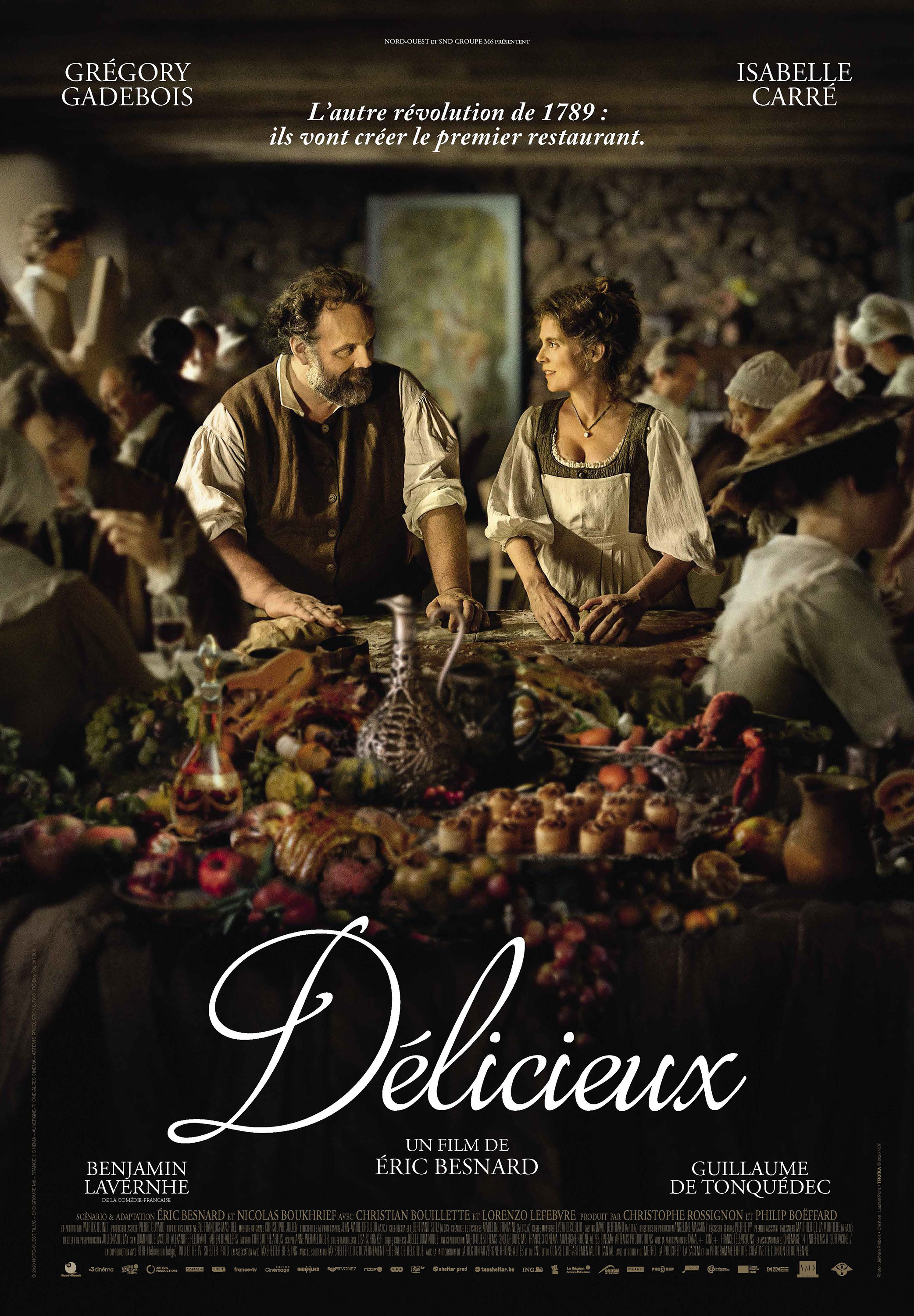
Délicieux premiered at Rendez-vous d’Unifrance à Paris on 13 January 2021. The film was theatrically released in France on 8 September.

Délicieux (2021)
Un film de Éric Besnard