VERMIGLIO received one nomination at the 2025 Academy Awards. The film was recognized as Italy’s submission for Best International Feature Film. It did not win any Oscars.
In four seasons nature completes its cycle. A girl can become a woman. A belly can swell and become a creature. One can lose the path that led safely home, one can sail seas towards unknown lands. In four seasons one can die and be reborn. VERMIGLIO tells of the last year of the Second World War in a large family and how, by a paradox of fate, with the arrival of a refugee soldier it loses its peace at the very moment in which the world finds its own. A film by Maura Delpero, starring Tommaso Ragno, Giuseppe De Domenico, Roberta Rovelli, Martina Scrinzi, Orietta Notari, Carlotta Gamba, Santiago Fondevila Sancet, Rachele Potrich, Anna Thaler, Patrick Gardner, Enrico Panizza, Luis Thaler, Simone Benedetti, and Sara Serraiocco.
VERMIGLIO
Maura Delpero
(2024)
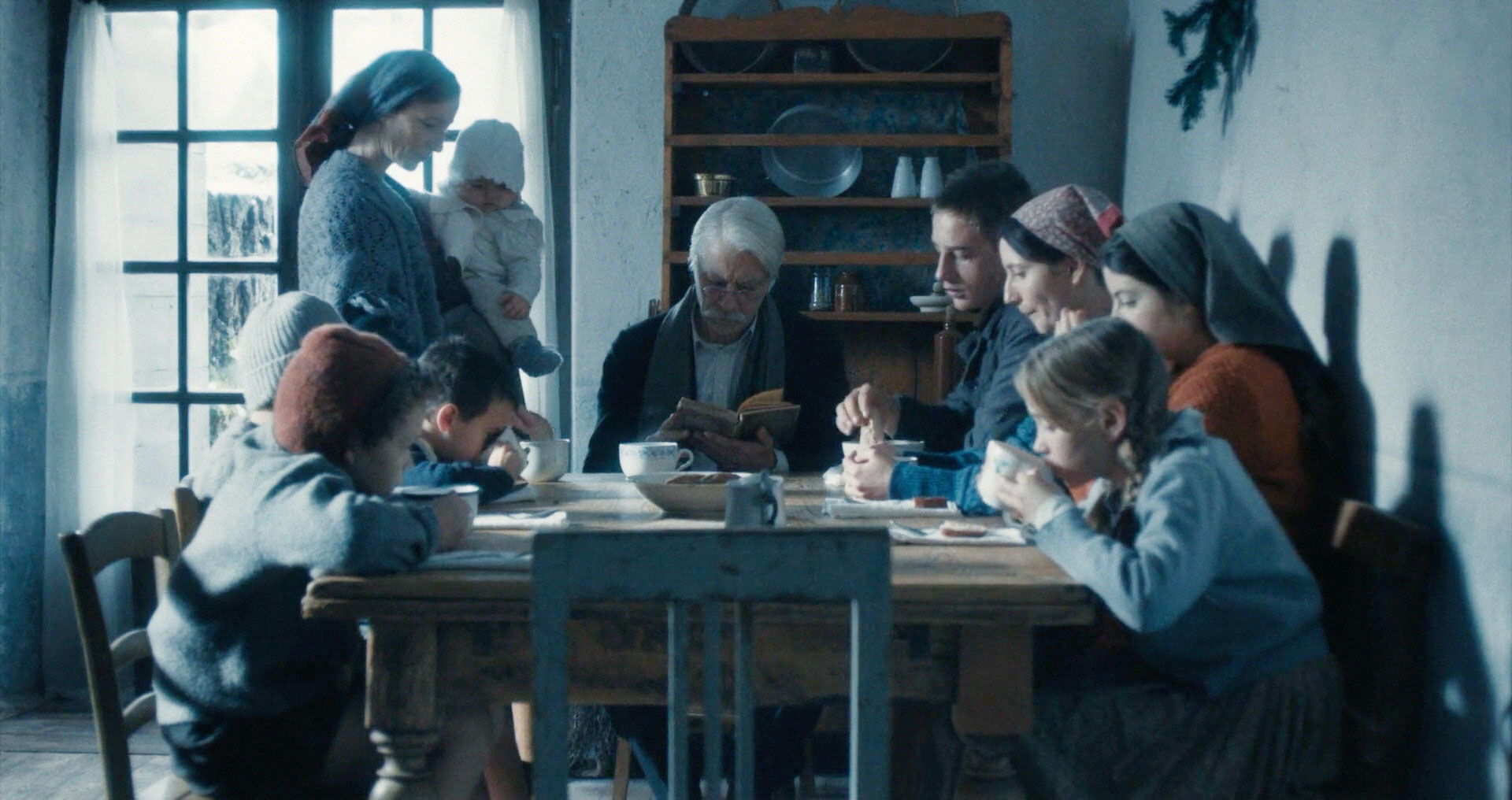
During the last year of World War II in 1944, schoolteacher Cesare Graziadei (Tommaso Ragno) lives a quiet life with his wife Adele (Roberta Rovelli) and their eight children: Lucia (Martina Scrinzi), Dino (Patrick Gardner), Ada (Rachele Potrich), Flavia (Anna Thaler), Pietrin (Enrico Panizza), Tarcisio (Luis Thaler), Giacinto (Simone Benedetti), and baby Giovanni, in a remote Alpine village in Italy.
Vermiglio is the name of a municipality located in the Trentino region of northern Italy. It’s a mountain village situated in the Italian Alps, specifically in the Val di Sole (Sun Valley).
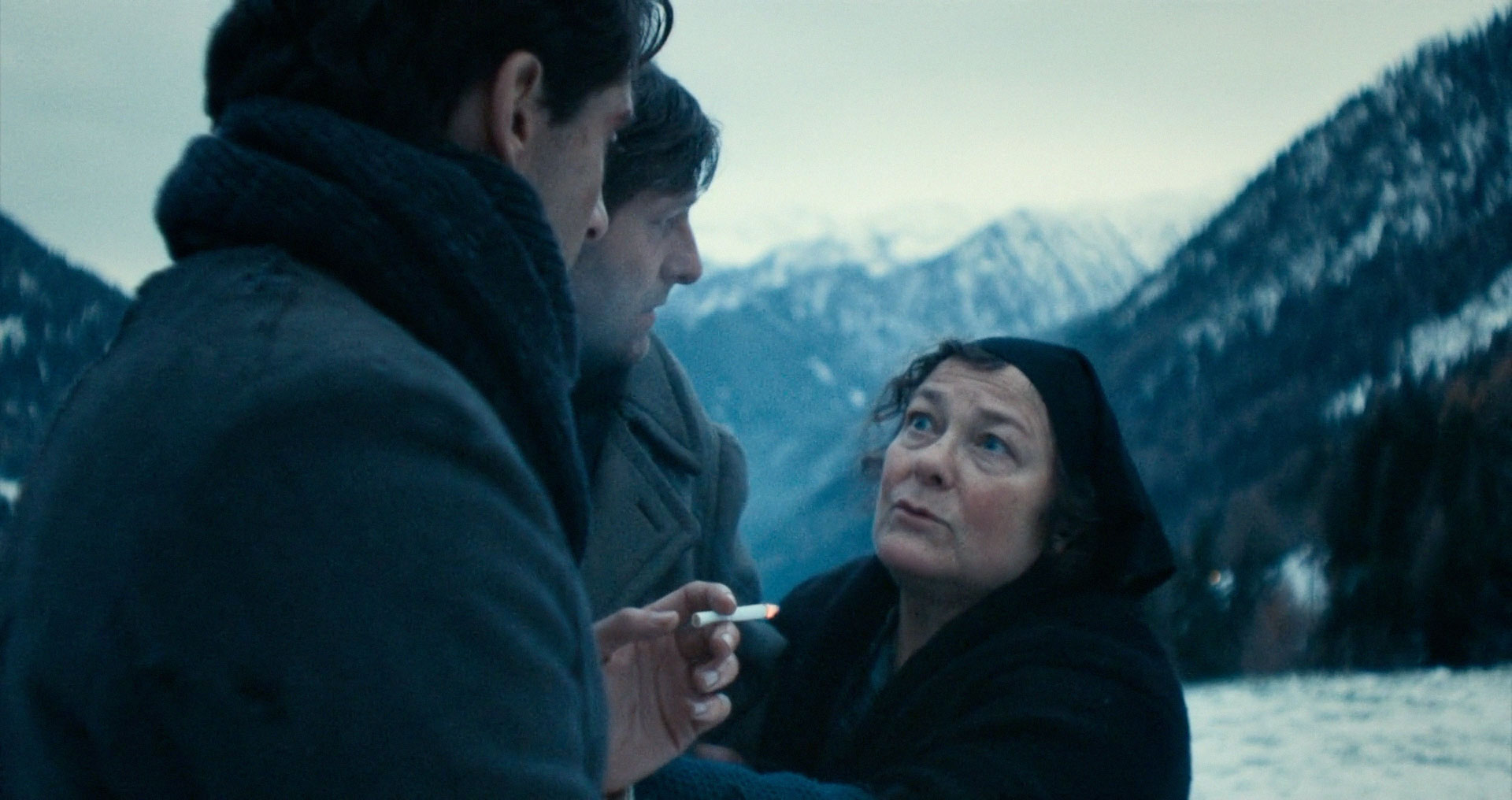
One day, a Sicilian deserter named Pietro (Giuseppe De Domenico) arrives in the village carrying the injured Attilio (Santiago Fondevila Sancet). Attilio’s mother, Zia Cesira (Orietta Notari), is grateful that Pietro crossed paths with her son and saved his life. Despite Cesare’s assurances that German soldiers no longer come to their village, she hides Pietro in the hay barn, fearing he might be discovered and taken away. Cesira introduces her niece Lucia, Cesare’s eldest daughter, to Pietro.
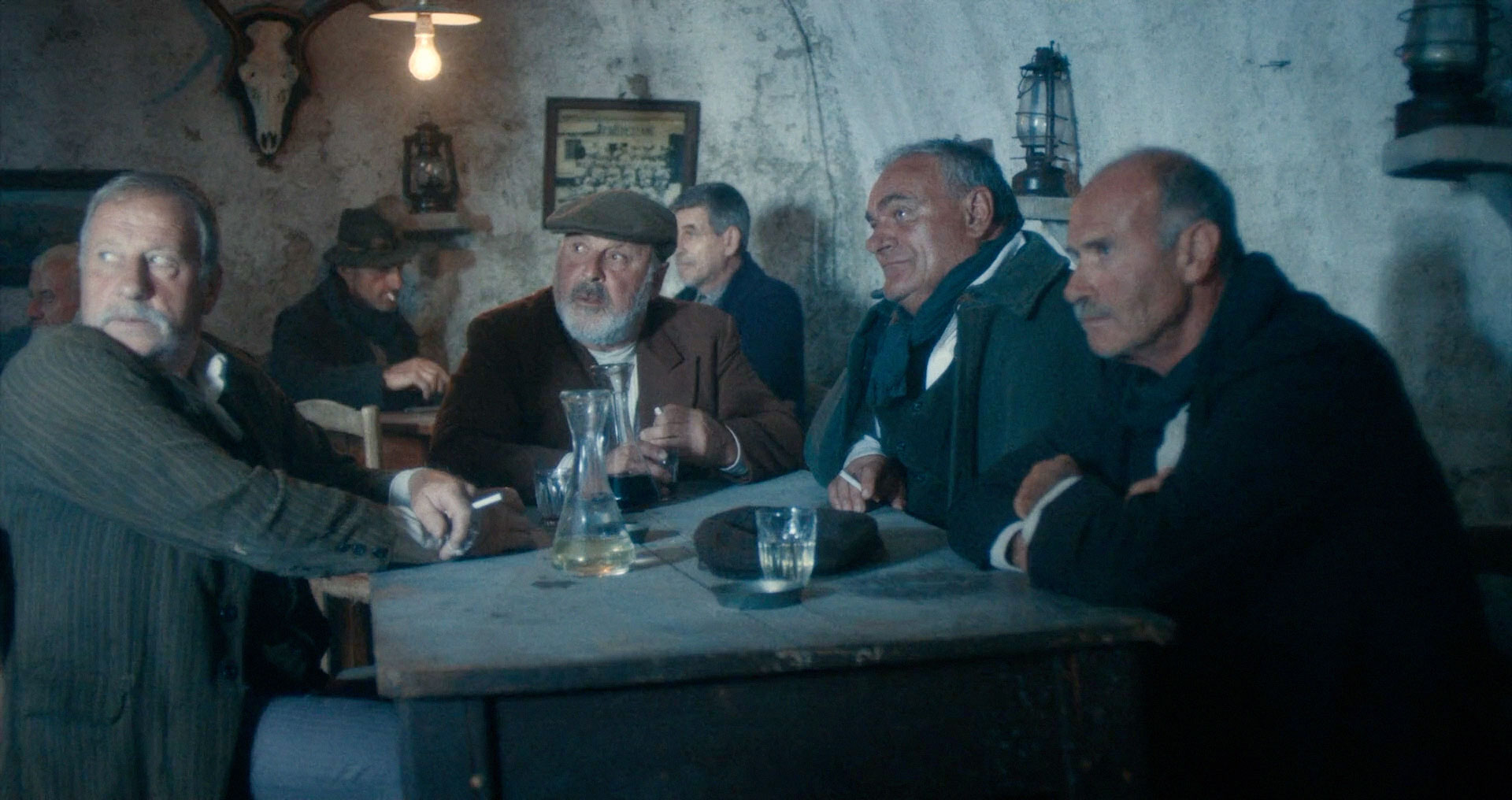
Some village elders disapprove of sheltering two deserters, considering Pietro and Attilio fugitives and cowards for fleeing the war. They worry that harboring deserters could bring trouble if German soldiers ever come looking for them. However, Cesare forbids the elders from spreading word about the young men, arguing that they’re “our children” and didn’t choose to go to war in the first place.
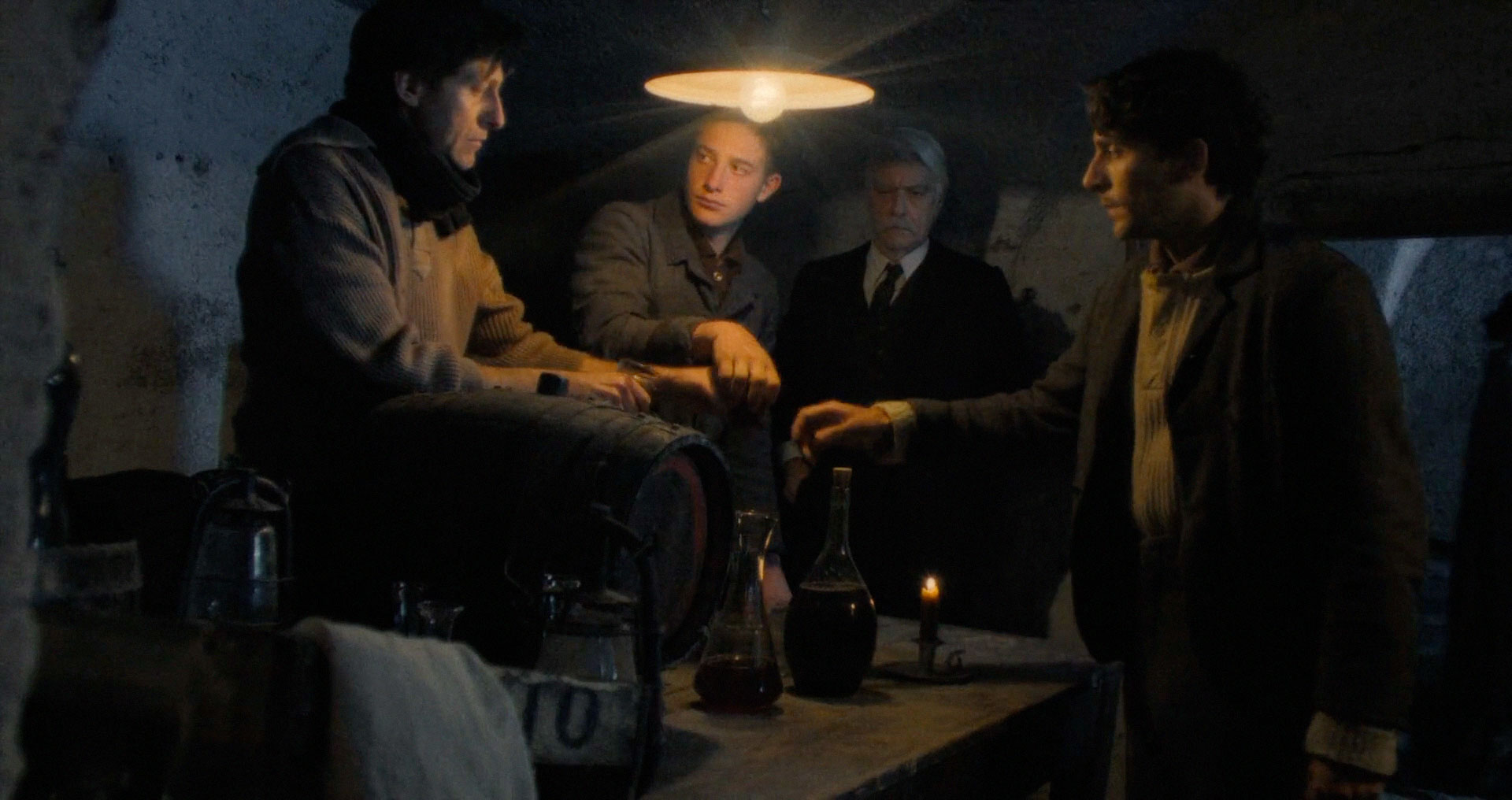
One night at the local bar, Cesare publicly humiliates his eldest son Dino for disrespecting Pietro. Cesare has always been hard on Dino, wanting him to follow in his footsteps, but Dino has his own personality that Cesare considers inferior to his own.
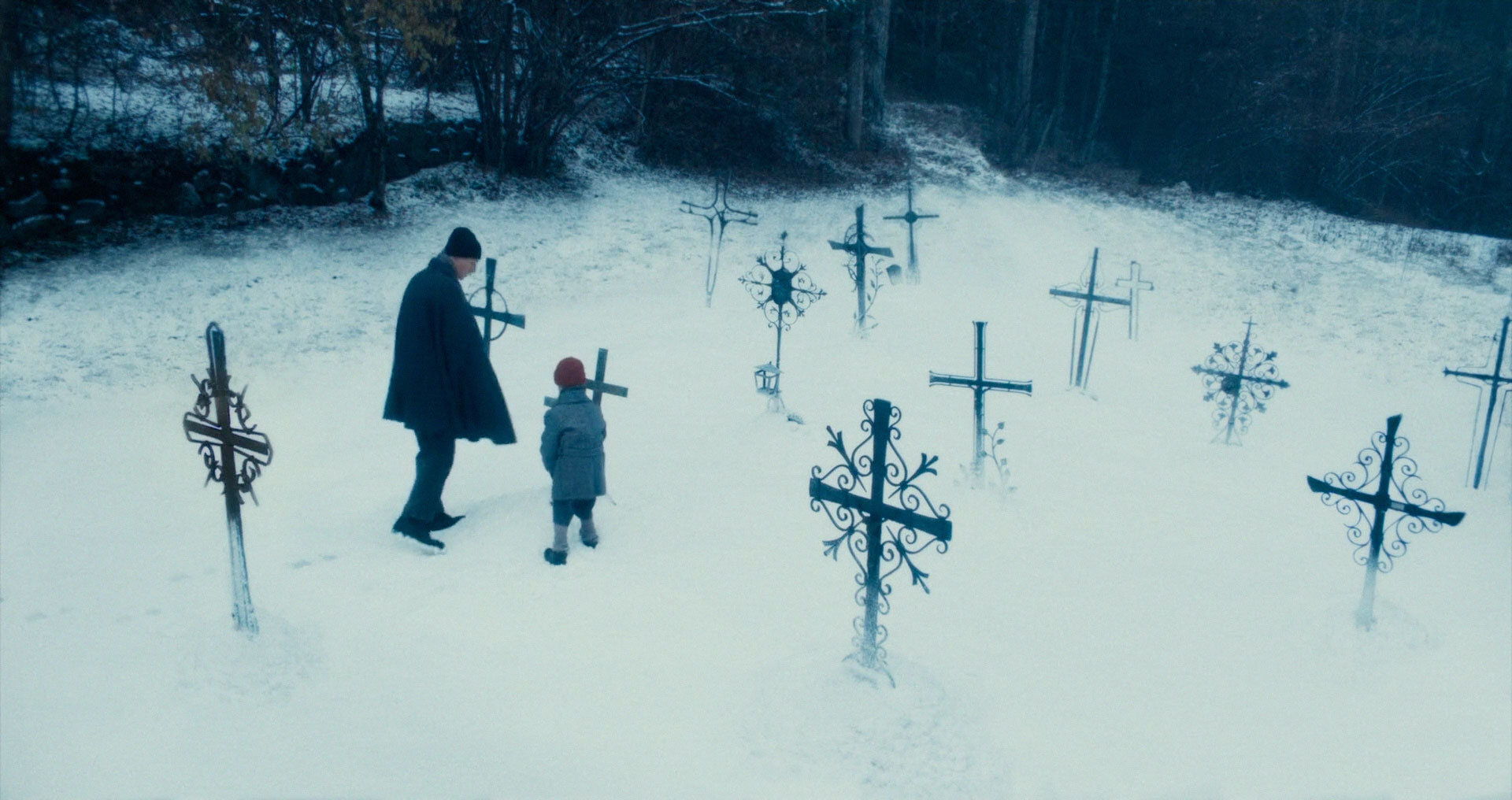
By the end of winter, the Graziadei family is struck by another devastating blow — the sudden and inexplicable death of their youngest child, Giovanni. This marks the second tragic loss the family has endured, following the death of Flavio, leaving them heartbroken once again.
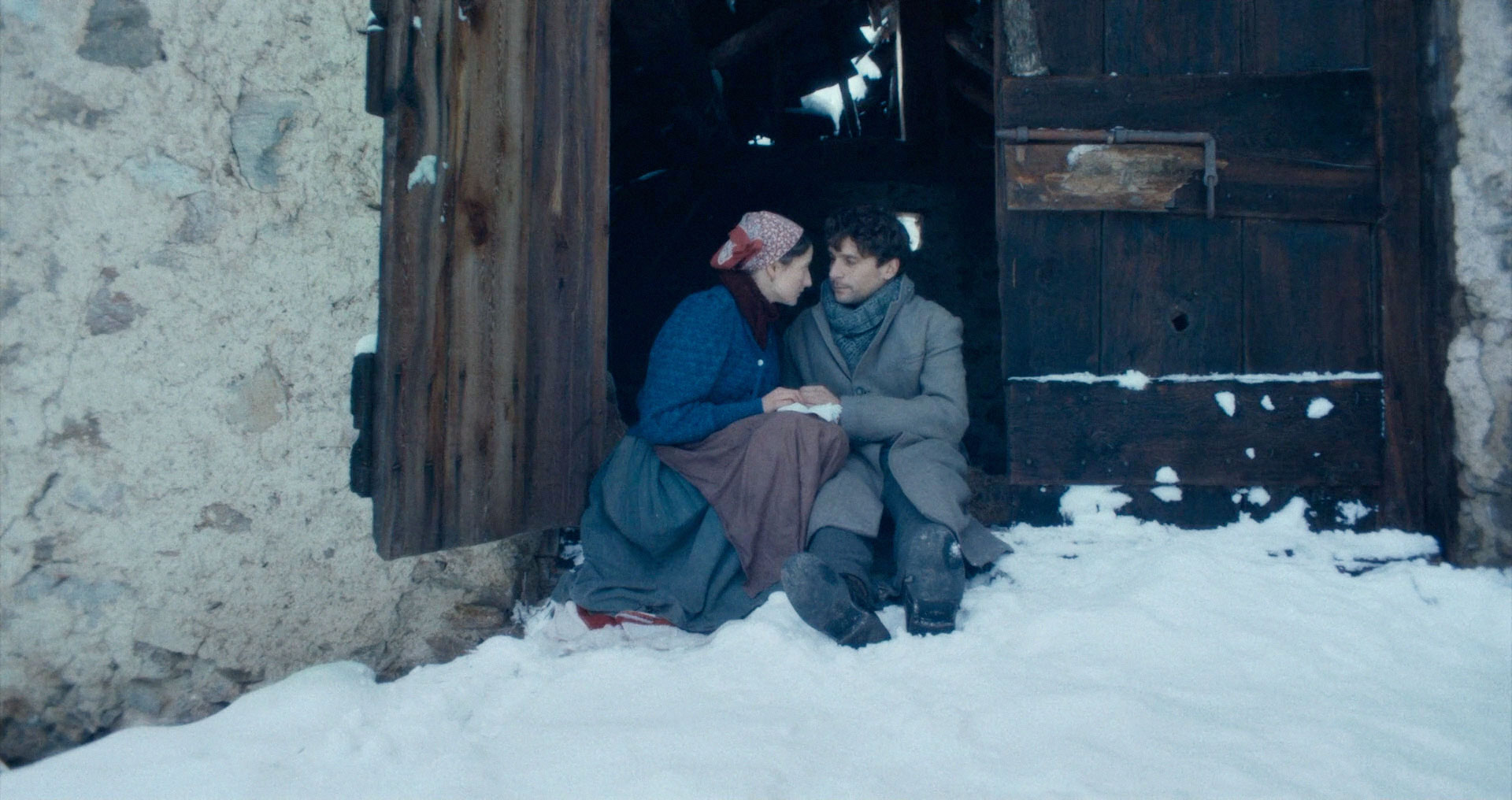
Meanwhile, Piero and Lucia grow closer, and a romantic relationship blossoms between them. Although Piero initially only speaks Sicilian, he starts taking lessons with Cesare to learn to read and write Italian so he can better communicate with Lucia. Over time, Lucia brings up the idea of marriage. Nervously, Piero gathers his courage and asks Cesare for his blessing to marry Lucia, to which Cesare agrees. However, just before the wedding, Adele finds out that Lucia is pregnant.
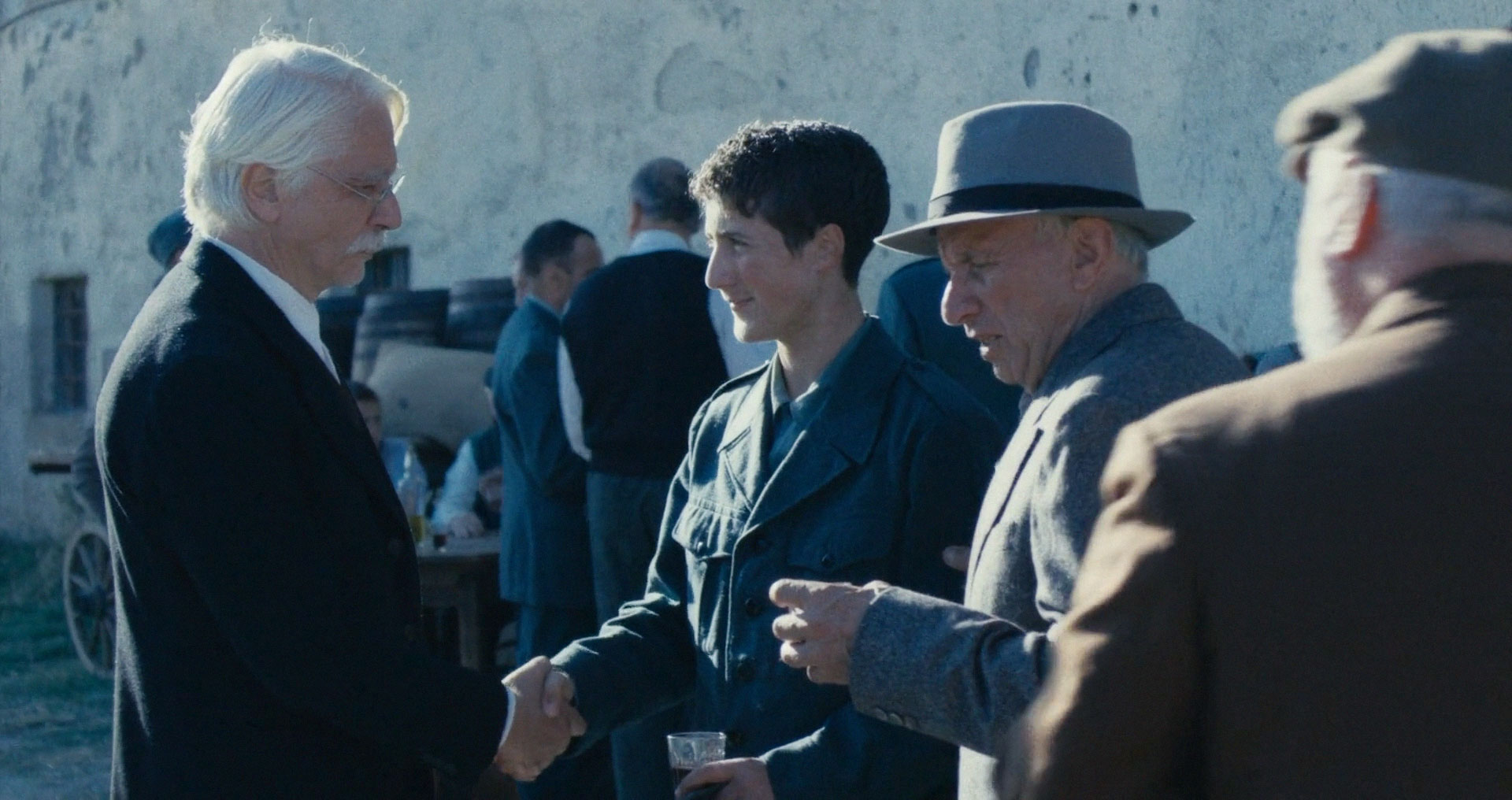
Piero and Lucia marry in the spring, but their happiness as a couple is short-lived. As World War II finally comes to an end, the villagers celebrate the return of the young soldiers fortunate enough to make it back to their families, though the young soldiers are forever changed by the horrors of war. Amid the celebrations, some of the elders begin to urge Piero to return to Sicily, now that Germany has surrendered unconditionally, to visit his mother, who must be desperately worried about his safety.
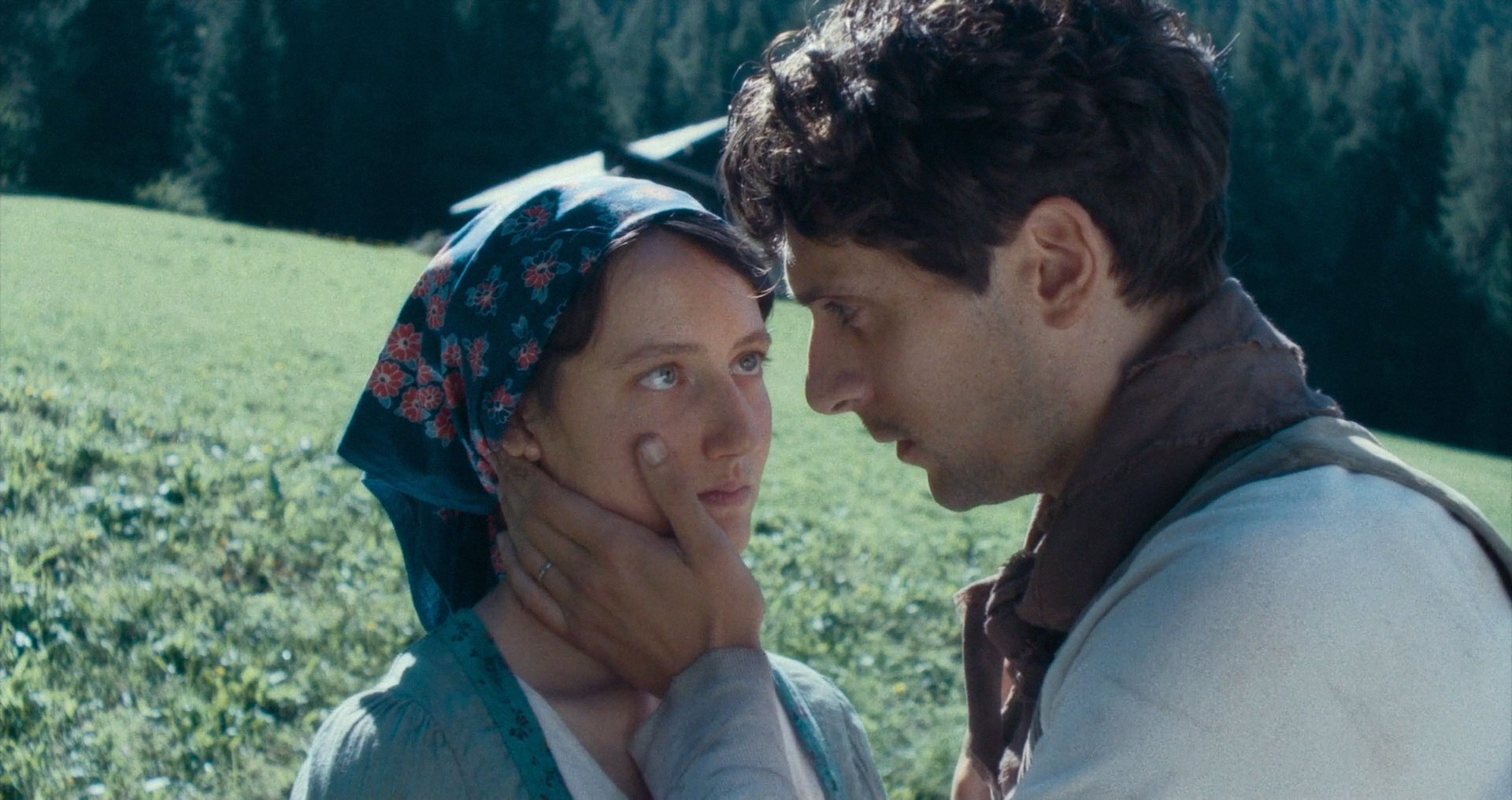
Although Piero is hesitant to leave, fearing he might not make it back in time for the baby’s birth, Cesare insists that he should go now. Aunt Cesira also encourages Piero, reminding him that his mother likely believes he’s dead, just as she once thought her son Attilio had been lost. Reluctantly, Piero agrees and decides to return to Sicily, leaving behind his pregnant wife Lucia. Before he departs, he promises her that he’ll write as soon as he arrives, hoping to ease her worries and reassure her of his love.
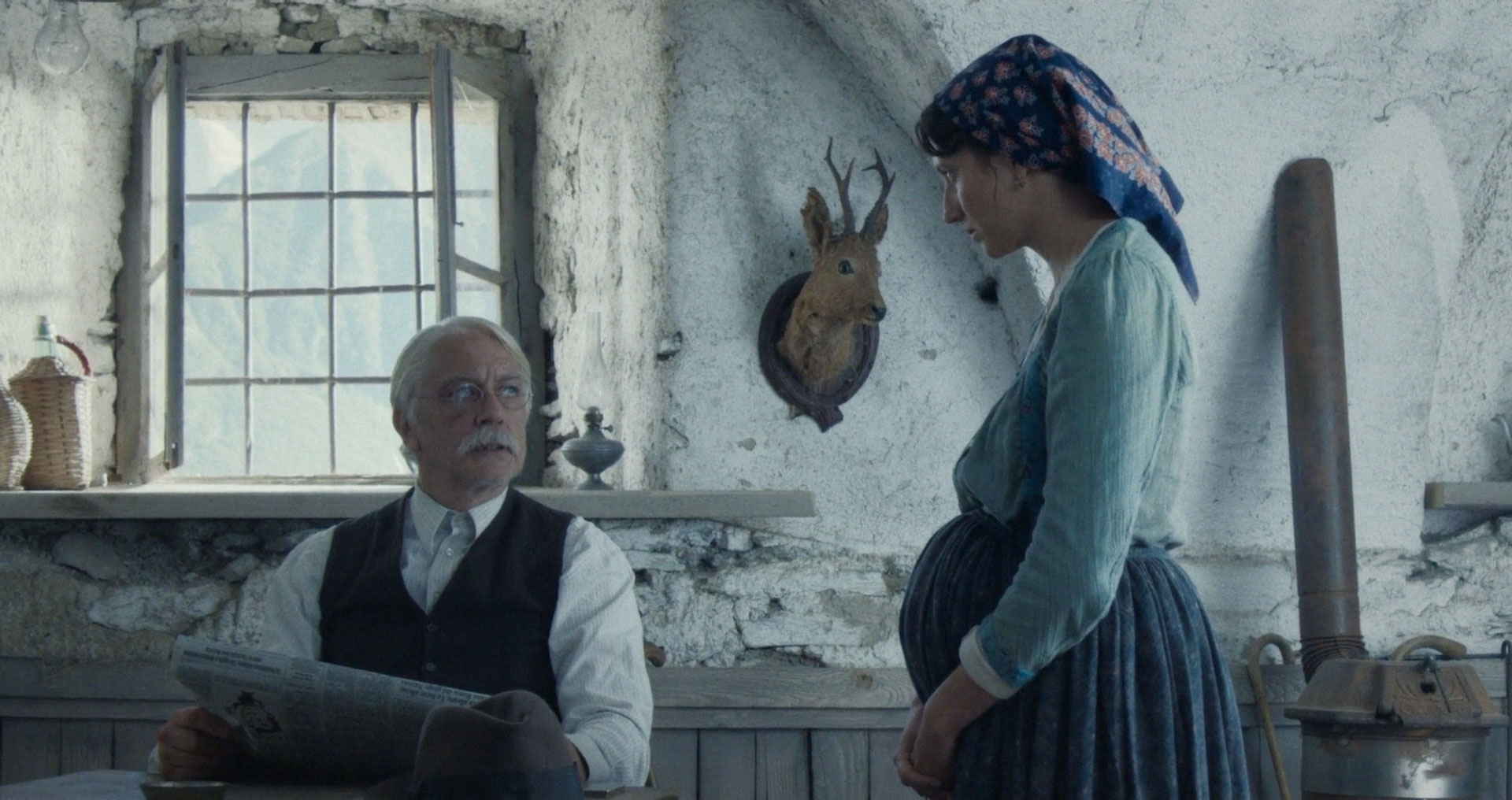
As time goes on, Lucia grows increasingly anxious when Piero’s promised letter never arrives. She begins to fear that something terrible might have happened to him. Cesare, however, tries to comfort her, explaining that letters often get lost, especially in the chaos left by the war. He reassures her by sharing that Attilio had written several letters to his mother, but none of them ever reached her. Though Cesare dismisses Lucia’s worries, she can’t shake the feeling that her fears could be true.
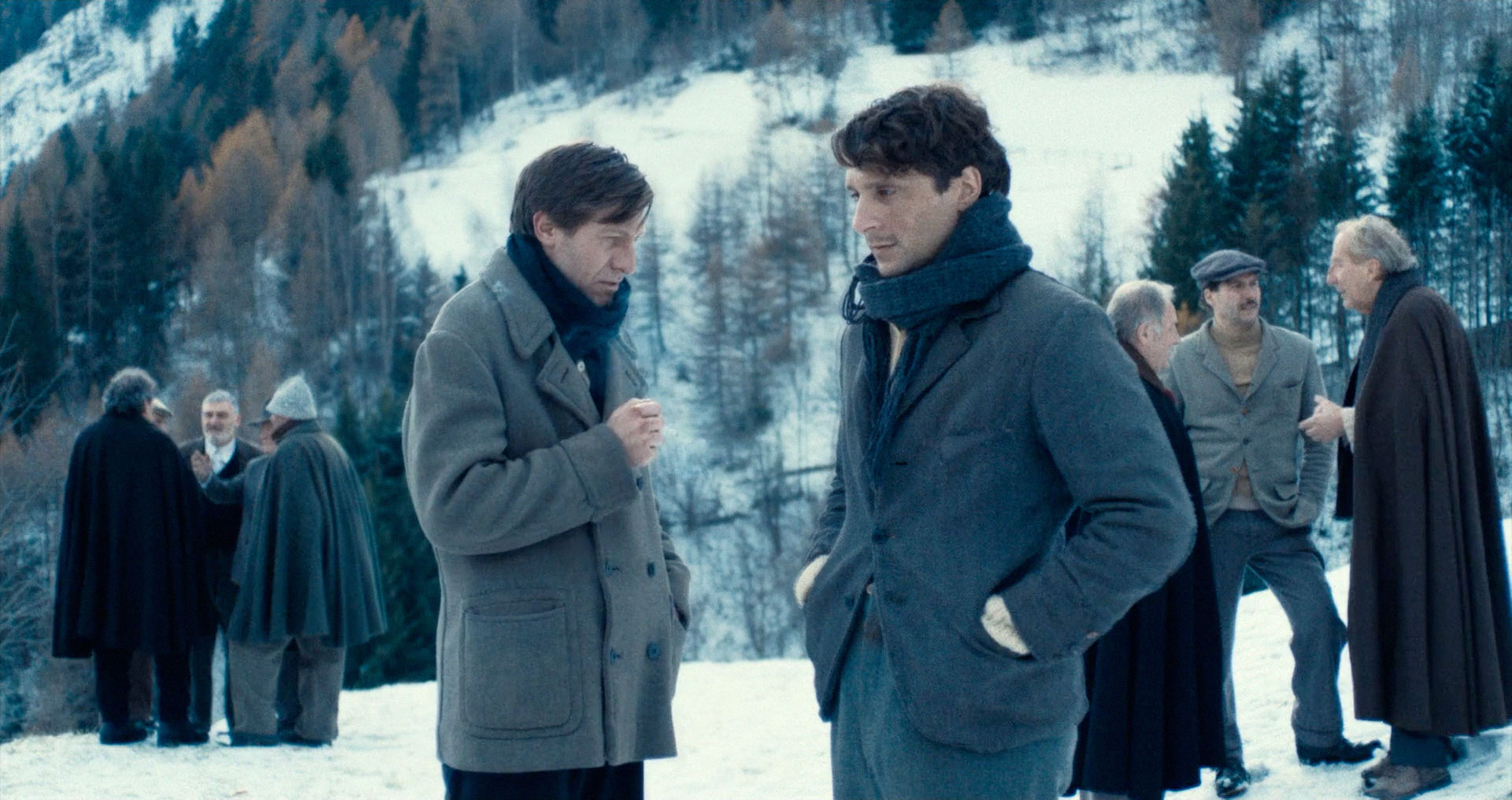
Written and directed by Italian filmmaker Maura Delpero, VERMIGLIO is a drama centered on the Graziadei family in a remote mountain village during World War II. The film explores the complex dynamics between family members and villagers whose lives begin to change after the unexpected arrival of a Sicilian deserter who brings home a local boy. Though the village has remained somewhat distant from the war, this newcomer’s presence disrupts their isolated existence.
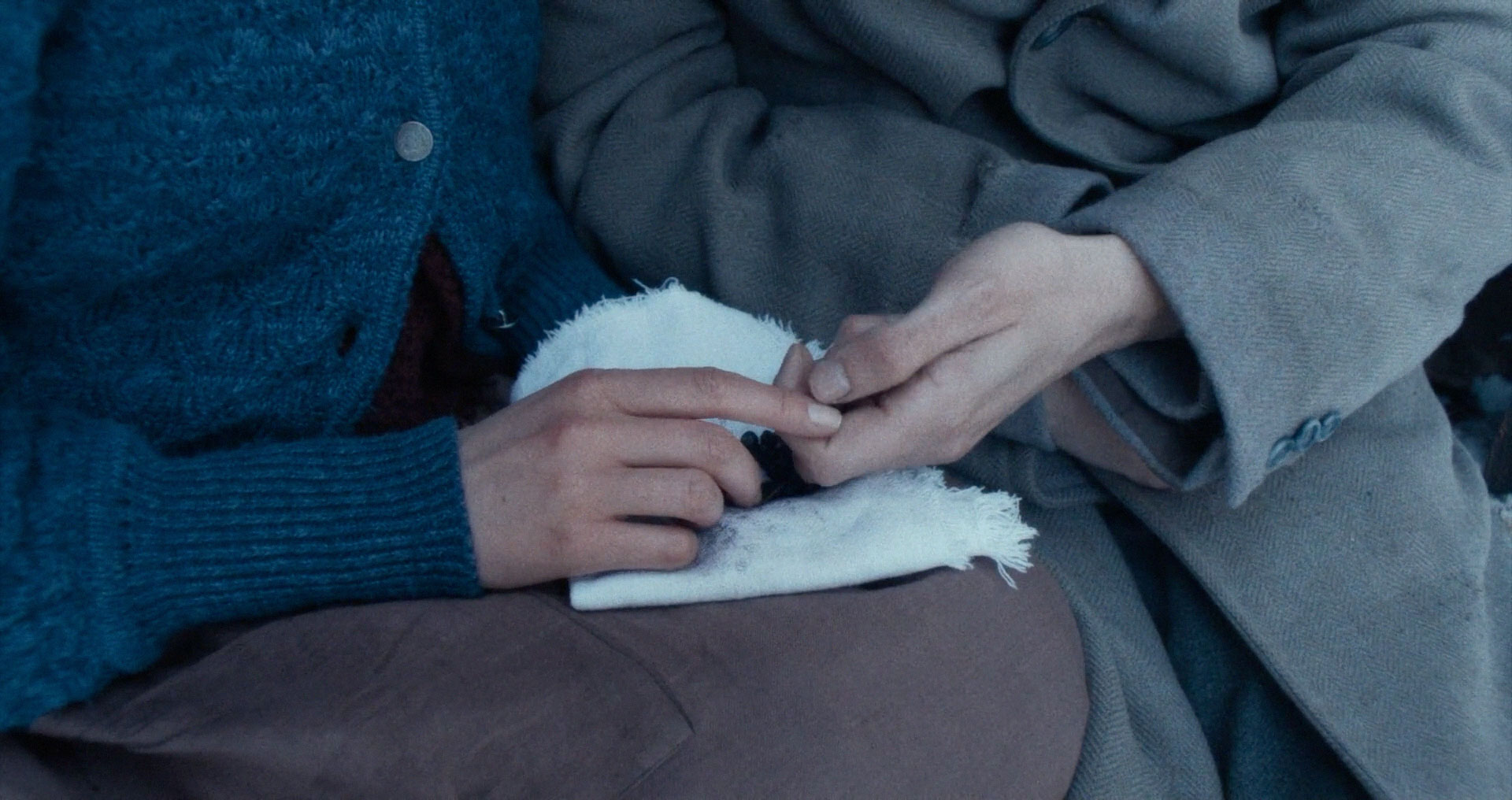
The story unfolds largely through the perspectives of supporting characters surrounding the main figures, revealing personalities and perceptions through their eyes rather than direct exposition. The film deliberately avoids showing violence or death on screen, instead choosing to let viewers experience the aftermath of tragic events, making their impact all the more powerful through what remains unseen.
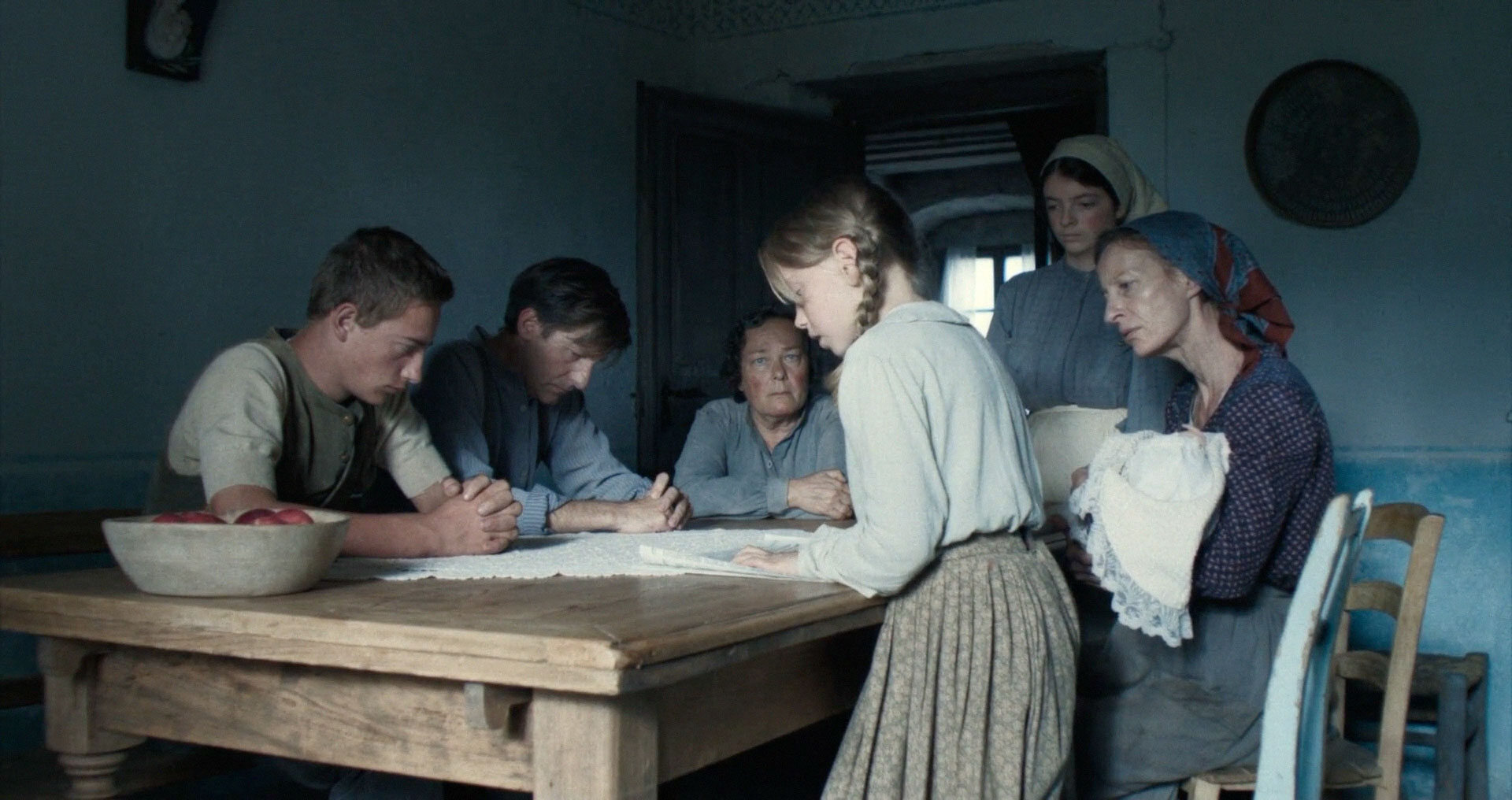
The twist, though not entirely unexpected, arrives late in the film when Pietro is found murdered and his dark secret comes to light. The scene flows quietly and naturally. But Pietro’s secret not only led to his death, it also brings shame to the Graziadei family name. Everything unravels from the moment Cesare convinced Pietro to return to Sicily, like a snowball rolling down a mountain, gathering momentum and destroying everything in its path.
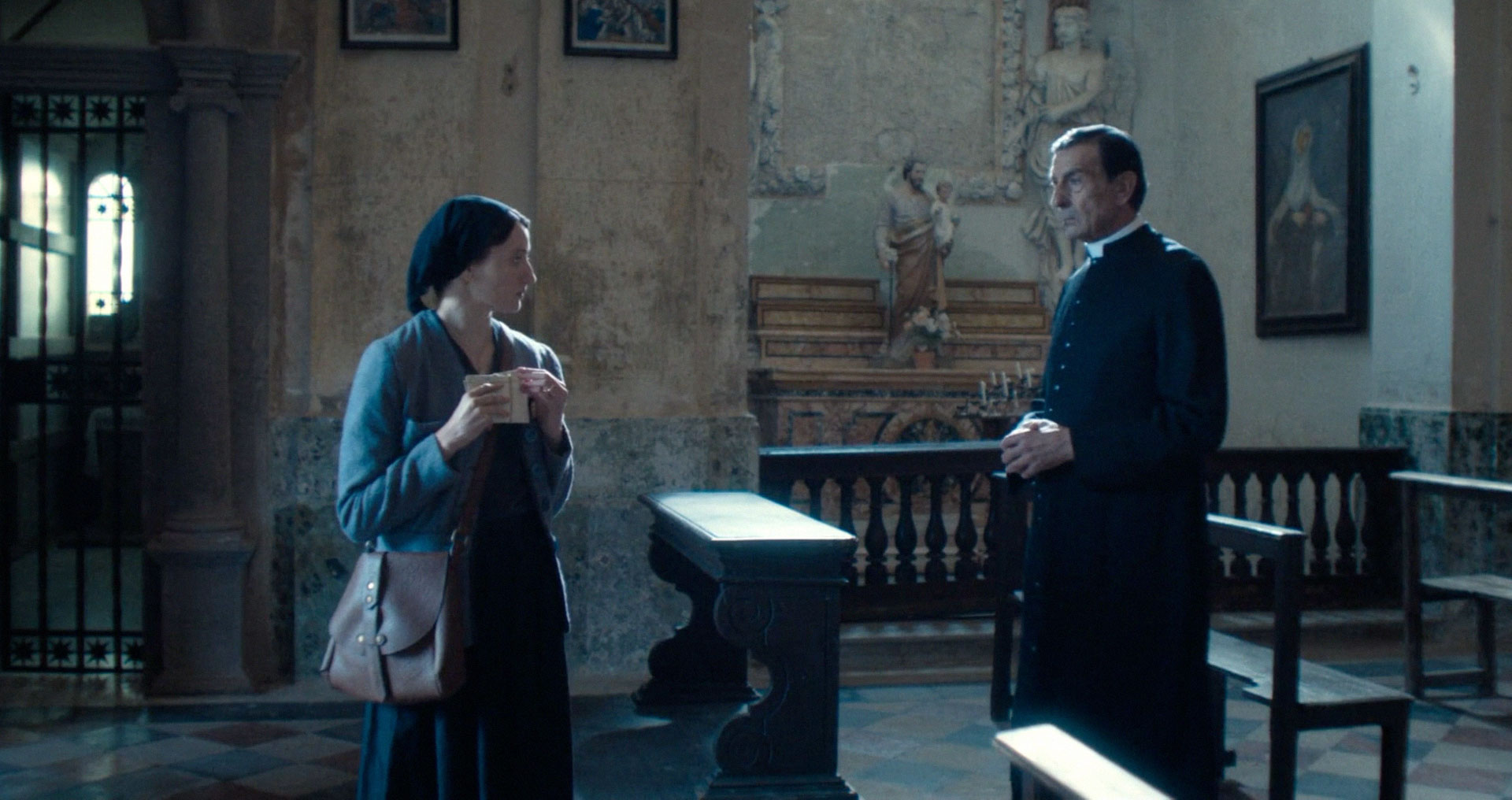
The film doesn’t end with just the revelation. Instead, it takes us through the painful aftermath as Lucia nearly loses her mind before gradually finding her way back to sanity, discovering closure and learning independence. Her journey to Sicily to retrieve her unread letters from the Galati parish priest and her visit to Pietro’s grave might seem puzzling at first, but these actions represent her necessary final steps toward accepting the truth and moving forward with her life.
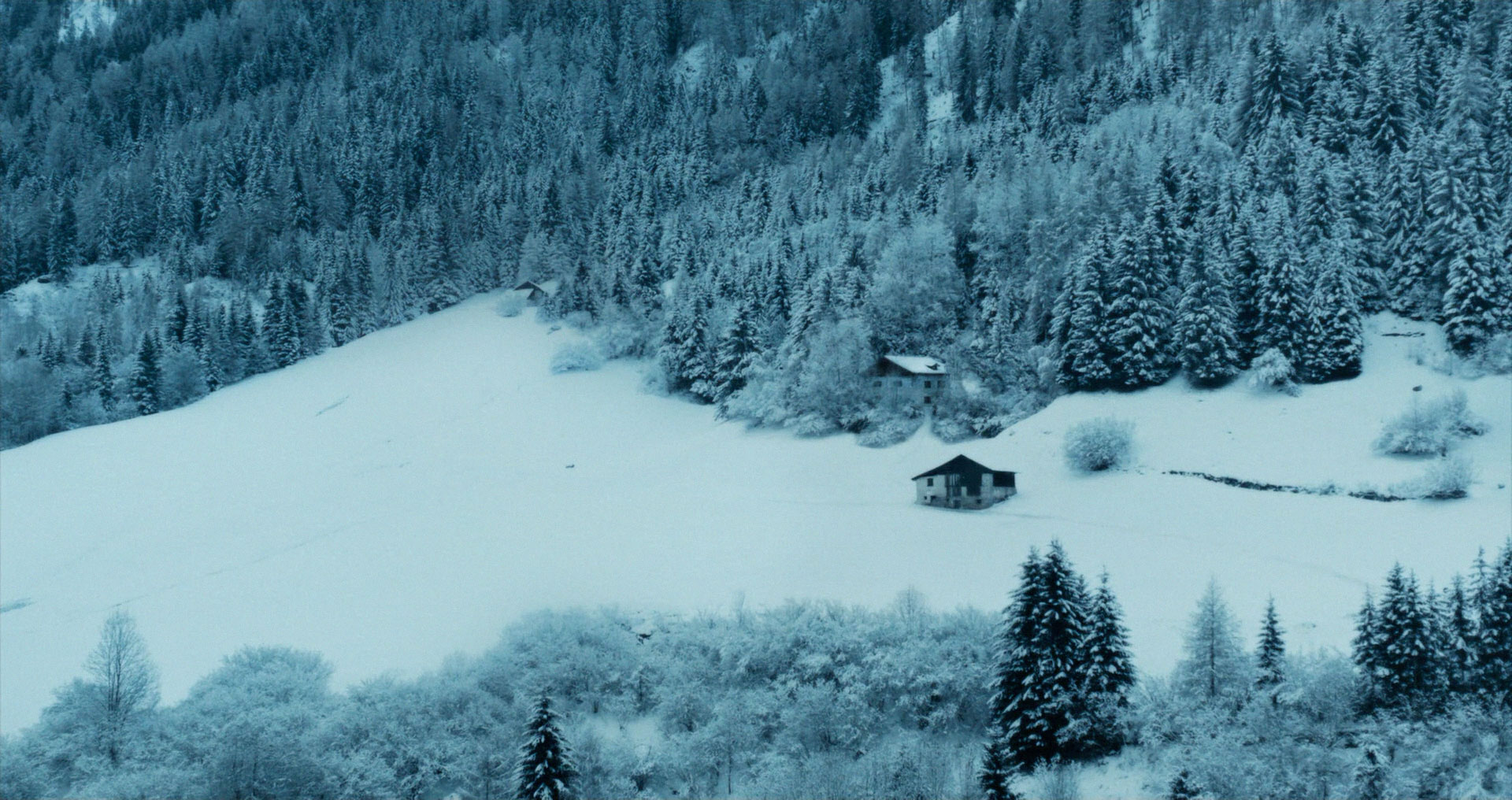
While Russian cinematographer Mikhail Krichman captures breathtaking winter mountain landscapes with beautiful imagery, the film’s pacing can feel tiresome at times since village life moves so slowly. Occasionally it feels more like watching a documentary about mountain villagers than a drama. Still, there are several memorable scenes, particularly when Cesare explains Vivaldi’s “Le quattro stagioni” (The Four Seasons) to his students.
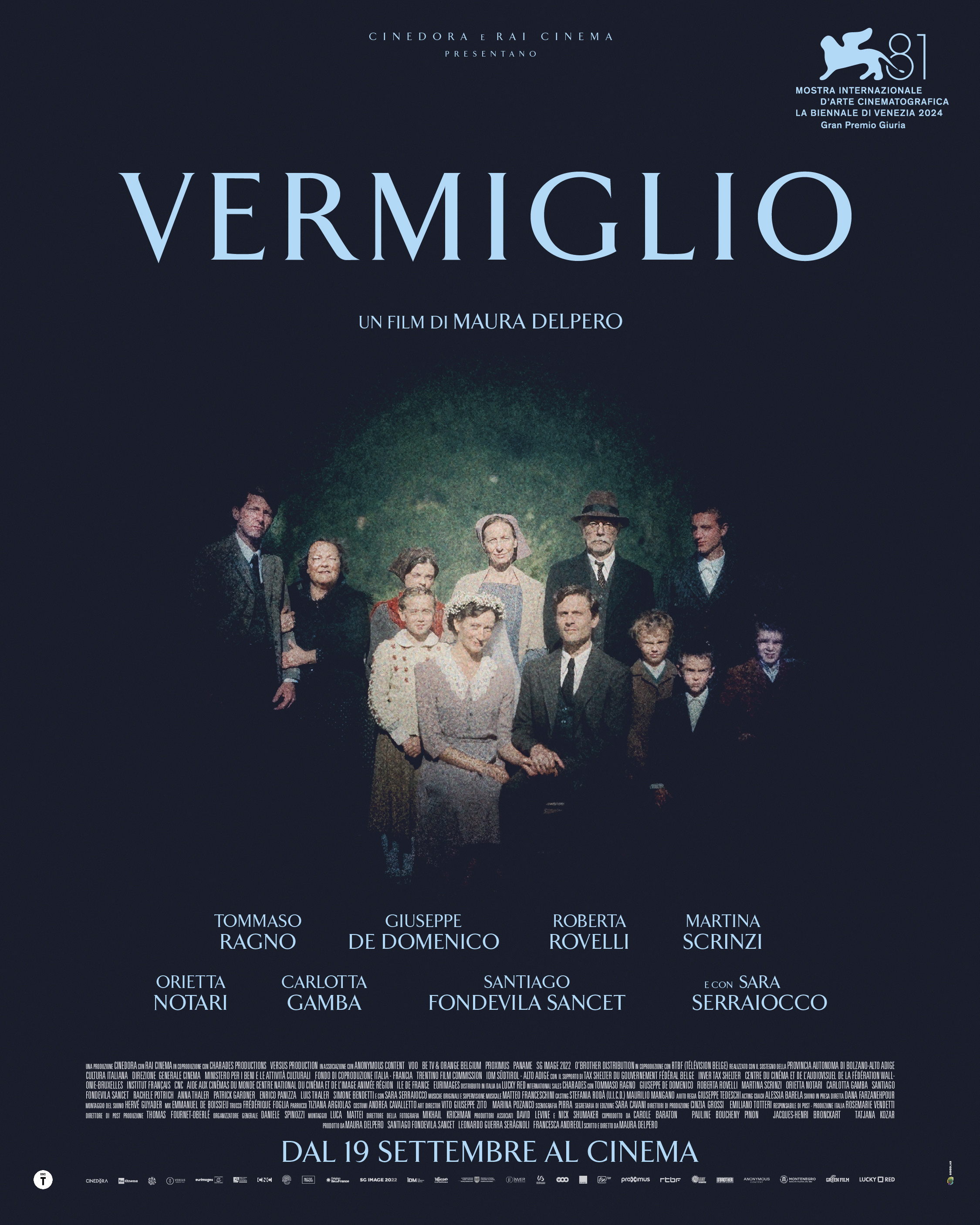
VERMIGLIO premiered at Biennale di Venezia on 2 September 2024, where it won Grand Jury Prize (Gran Premio del Jurado), Green Drop Award, Premio NUOVOIMAIE TALENT AWARD, and Premio di critica sociale “Sorriso Diverso Venezia Award”. The film was theatrically released in Italy on 19 September.
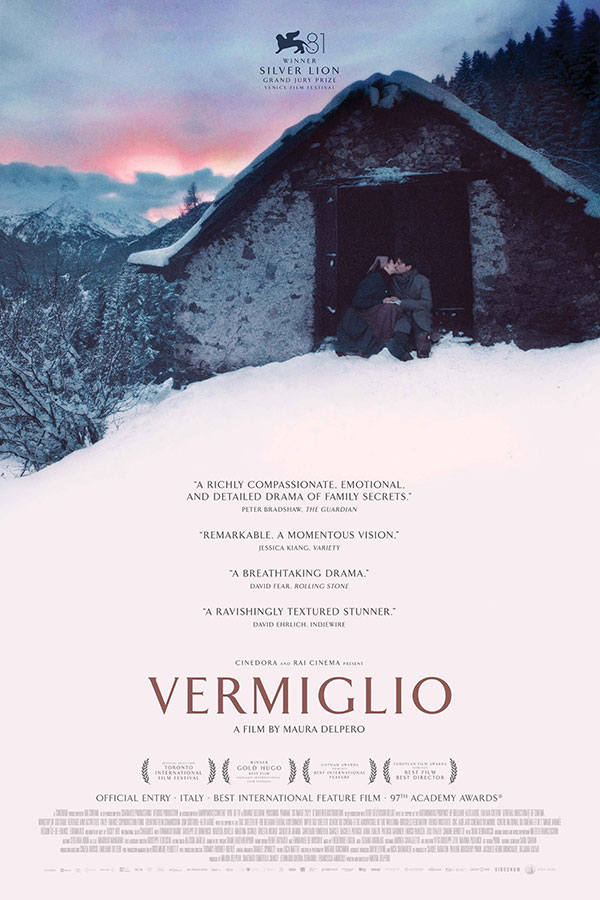
VERMIGLIO (2024)
A film by Maura Delpero