On a hot summer day in 1986, a young girl is brutally murdered in a wheat field. Her killer is never caught. Twenty-three years later, another girl vanishes under eerily similar circumstances, leading police to suspect the same killer may have struck again. A film by Baran bo Odar, starring Ulrich Thomsen, Wotan Wilke Möhring, Katrin Sass, Sebastian Blomberg, Karoline Eichhorn, Roeland Wiesnekker, Jule Böwe, Oliver Stokowski, Claudia Michelsen, and Burghart Klaussner.
Das letzte SCHWEIGEN
The SILENCE
Baran bo Odar
(2010)
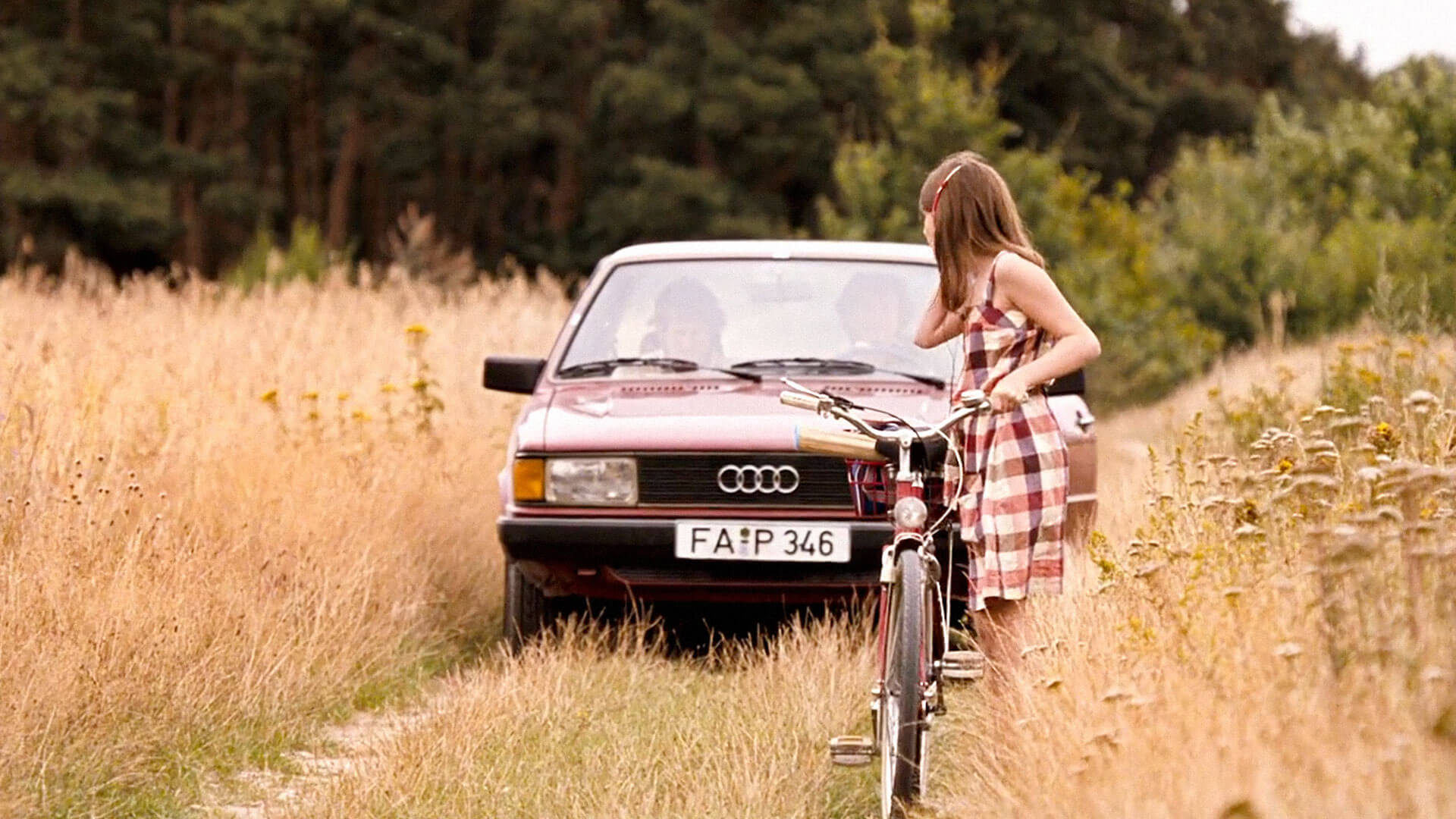
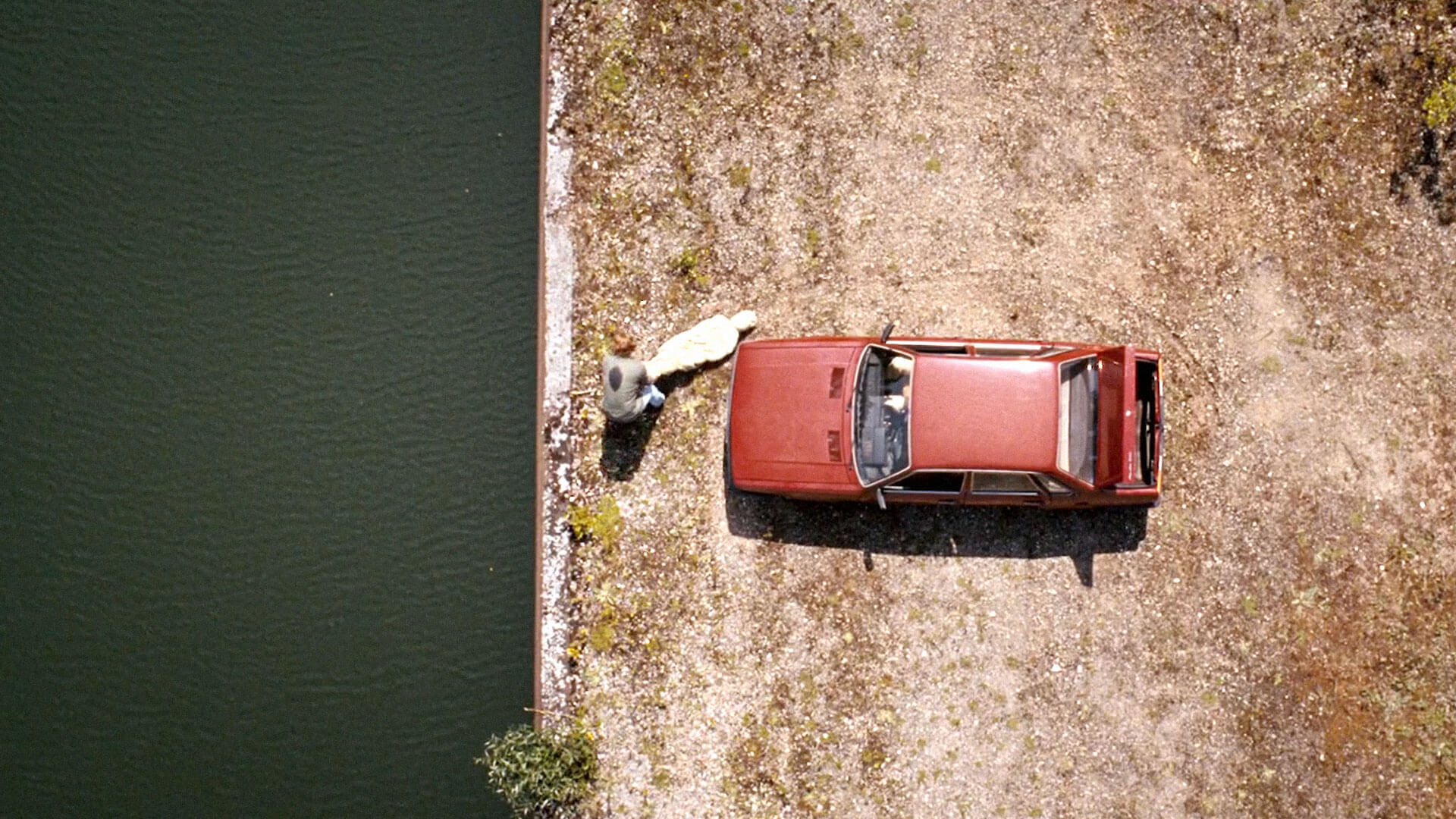
On 8 July 1986, during summer, 11-year-old Pia (Helene Doppler) is raped and murdered in a wheat field near a small German town. Another man who arrives in the same car watches in horror. The killer carries the lifeless body of the young girl and places it in the trunk of the car, then threw her bicycle into the wheat field before fleeing in the red car.
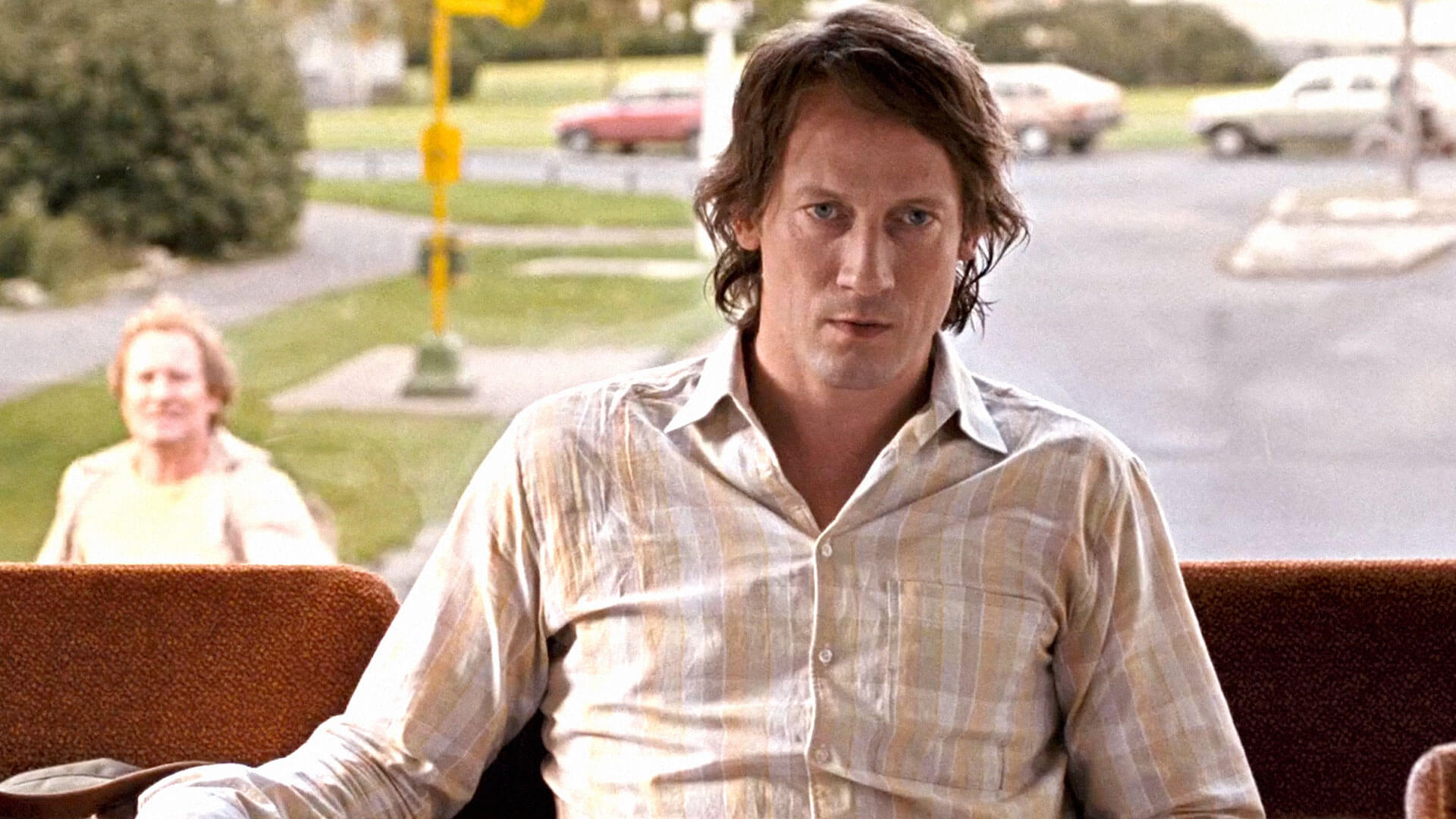
The next day, Timo (Wotan Wilke Möhring), who was in the same car as the killer, decides to leave town without saying goodbye to anyone, and never returns. Later, the police find the bicycle and search until they discover Pia’s body in the lake, but all investigations lead to dead ends. The case remains unsolved, despite testimony from a child witness who saw a red car parked near the crime scene and observed the perpetrator throwing the girl’s headphones out of the car — headphones that contained the killer’s DNA.

On 8 July 2009, an abandoned bicycle is discovered in a wheat field. When police arrive to investigate, the news media begins to draw connections to the similar incident that occurred 23 years earlier. Matthias (Oliver Stokowski) assigns the case to David (Sebastian Blomberg), a detective who lost his wife just five months ago. After the news is broadcast on television, they receive a call from Ruth (Karoline Eichhorn) and Karl (Roeland Wiesnekker), a married couple who believe the bicycle in the news belongs to their daughter Sinikka (Anna-Lena Klenke).
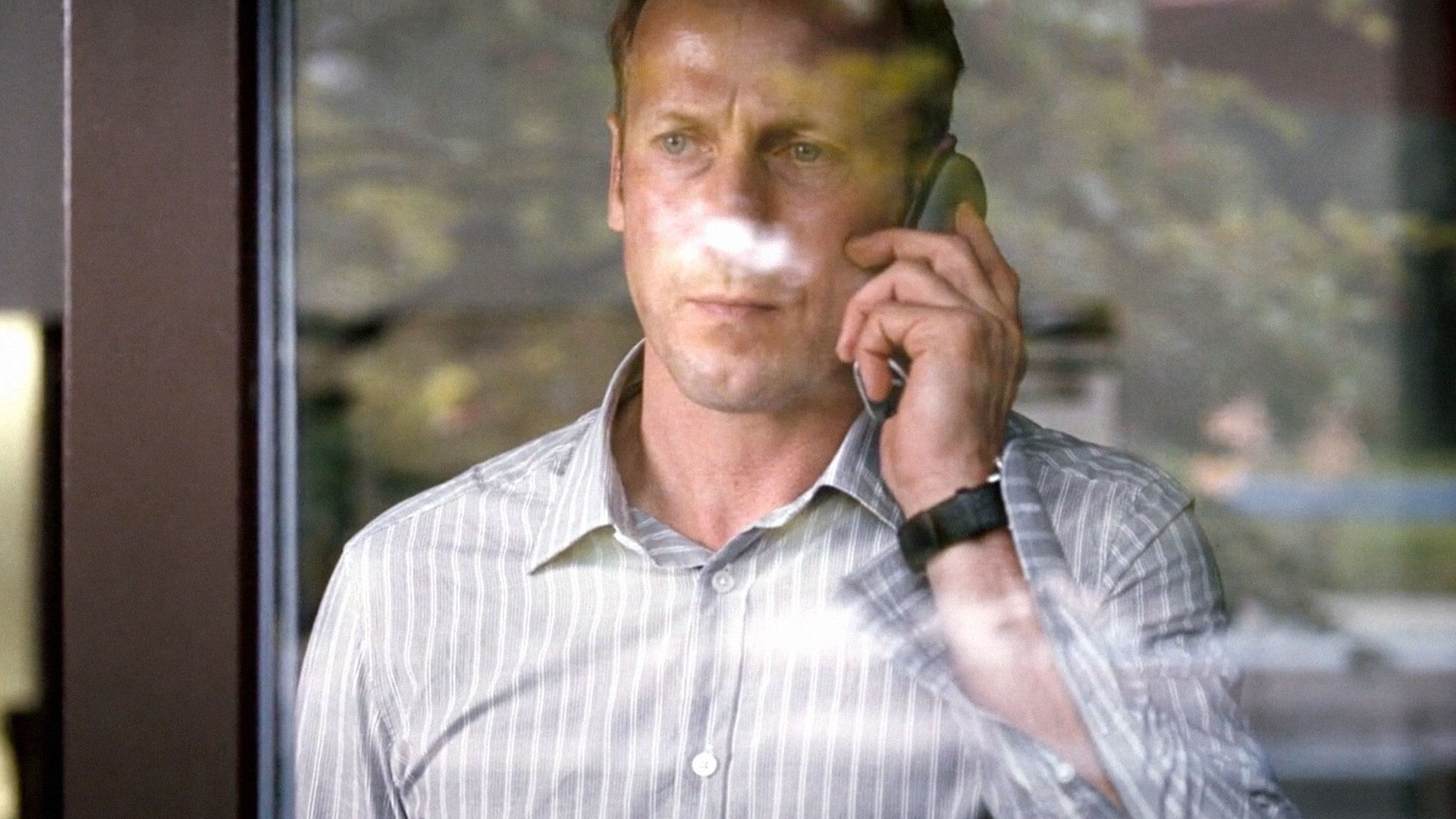
When Timo sees the news, he immediately knows it’s the work of Peer (Ulrich Thomsen), a friend he knew when he still lived in that town. After that incident, he moved to another city, worked as an architect, married Julia, and had two children with her. He changed to his wife’s surname, claiming he didn’t like his original surname, but the truth is he doesn’t want anyone to find him, including his old friend Peer.
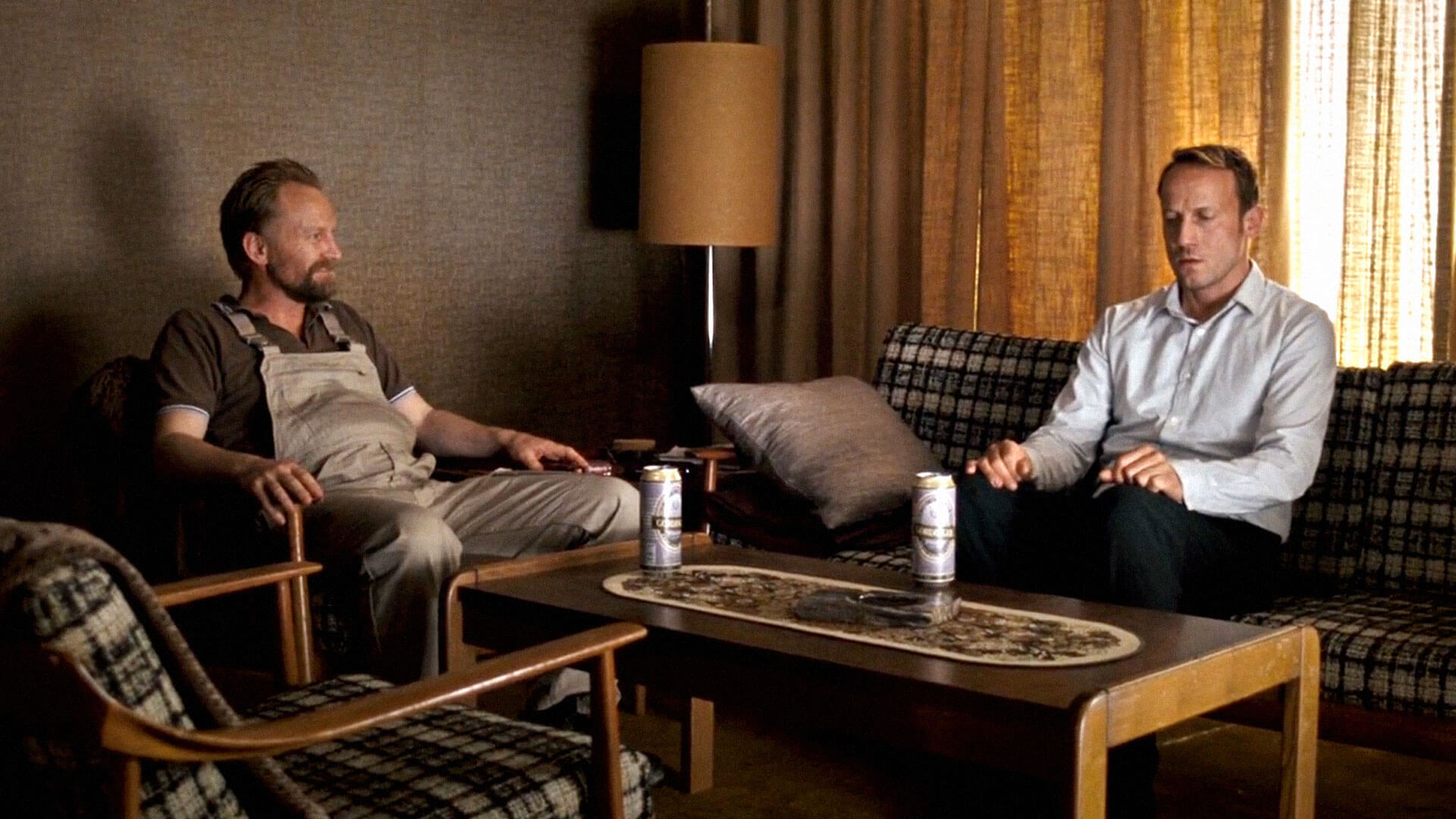
Timo travels to meet Peer, who still lives in the same place, to ask if he’s responsible for the recent case of the missing girl. But Peer denies involvement, claiming he has no reason to do such a thing. He suggests it must just be a coincidence that the cases are similar. He admits that he only killed that one girl 23 years ago.
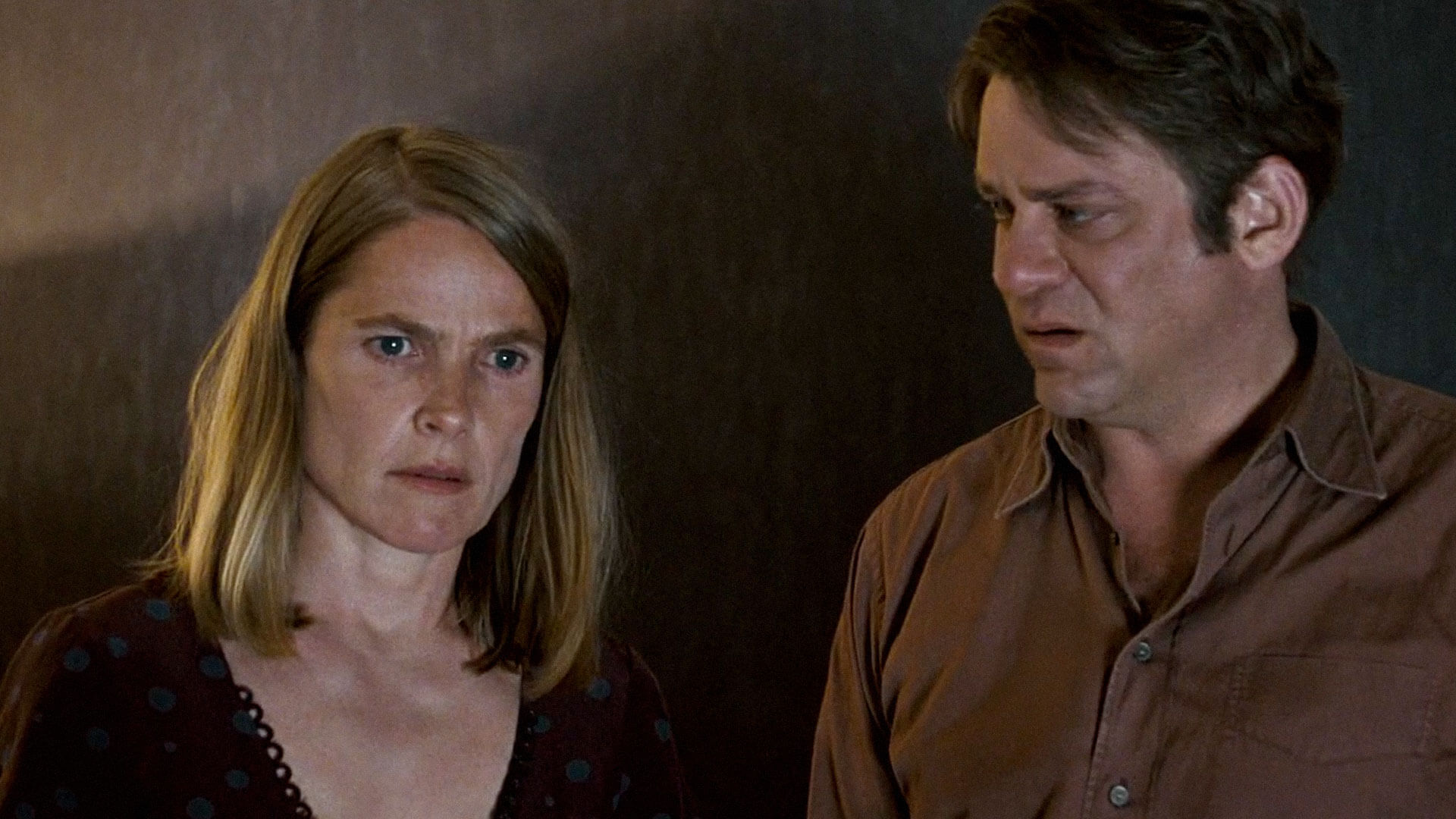
Meanwhile, Krischan (Burghart Klaußner), the now-retired police officer who handled Pia’s case, believes the perpetrator is the same person who committed the crime 23 years ago. He decides to appear on a television program alongside Pia’s mother Elena (Katrin Sass) to denounce the police for giving false hope to the family when the victim is likely already dead, and to provoke the killer into revealing himself.
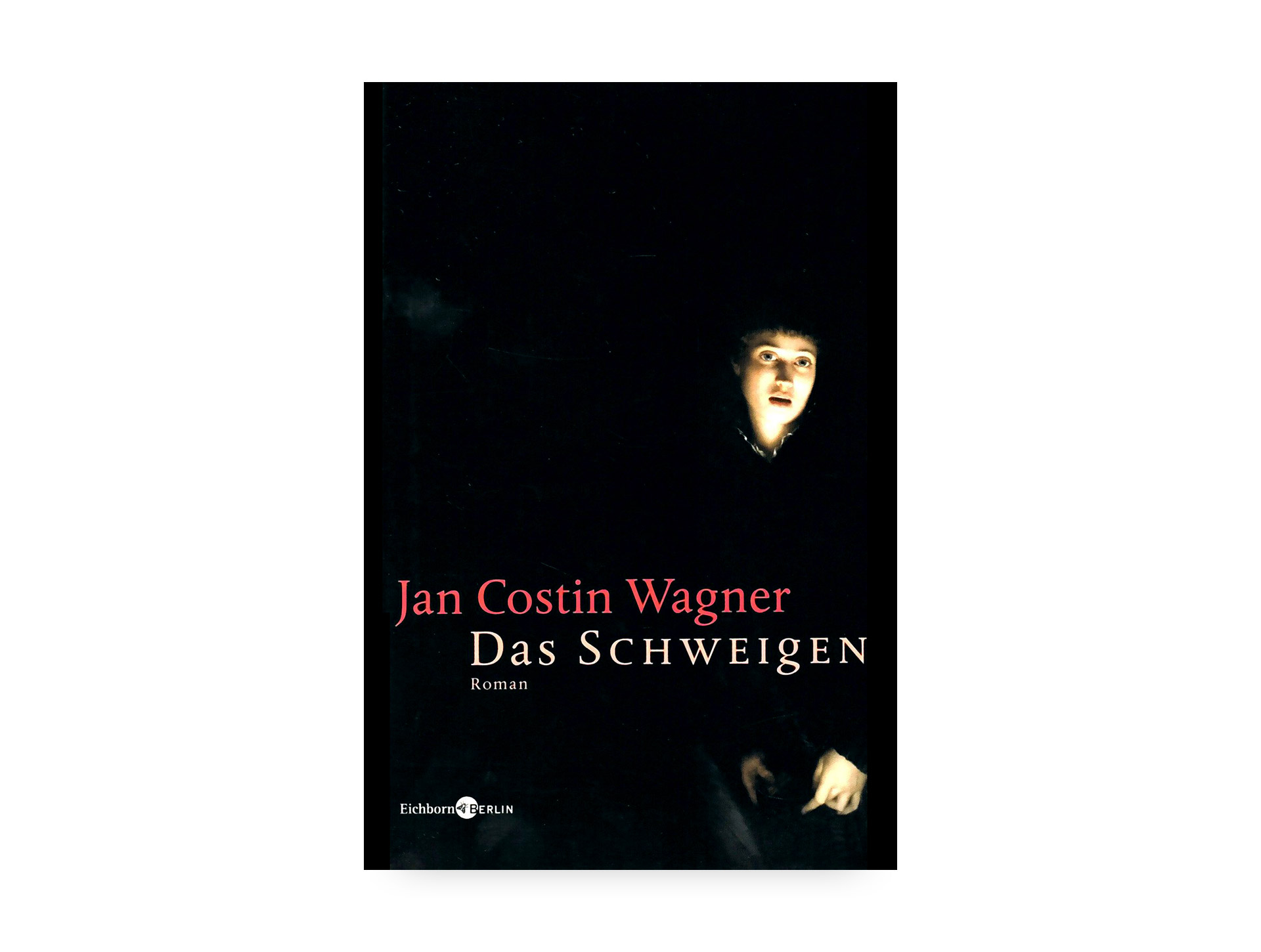
Written and directed by German filmmaker Baran bo Odar in his directorial debut, Das letzte SCHWEIGEN (The last silence) is thriller film based on “Das Schweigen (The silence),” a crime novel written by German author Jan Costin Wagner. The original novel was first published on 1 July 2007, by Eichborn publishing house. It was later translated into English under the title “Silence” and published by Harvill Secker on 5 August 2010.
Jan Costin Wagner is a German crime fiction writer. His novels, often set in Finland, feature detective Kimmo Joentaa.His debut novel, Nachtfahrt (Night Trip), was published in 2002 and won the Marlowe Prize for Best Crime Novel. Jan Costin Wagner’s novel Das Schweigen (The Silence) is a well-regarded work. It received the Deutscher Krimi Preis (3rd place) in 2008. The American edition of Das Schweigen was also nominated for the Los Angeles Times Book Prize, and the French translation was nominated for the Prix du Polar Europeén in 2010.
Typical crime investigation films often emphasize action sequences or strategies for tracking down criminals, employing various techniques to captivate viewers with unpredictable plot twists that create suspense and excitement. However, Das letzte SCHWEIGEN takes a different approach by revealing the identity of the perpetrator right from the beginning. Instead, the film focuses on the emotional impact of loss on those affected — the families, people close to them, and the police officers involved in the case — exploring how they manage to continue with their lives in the aftermath of tragedy.
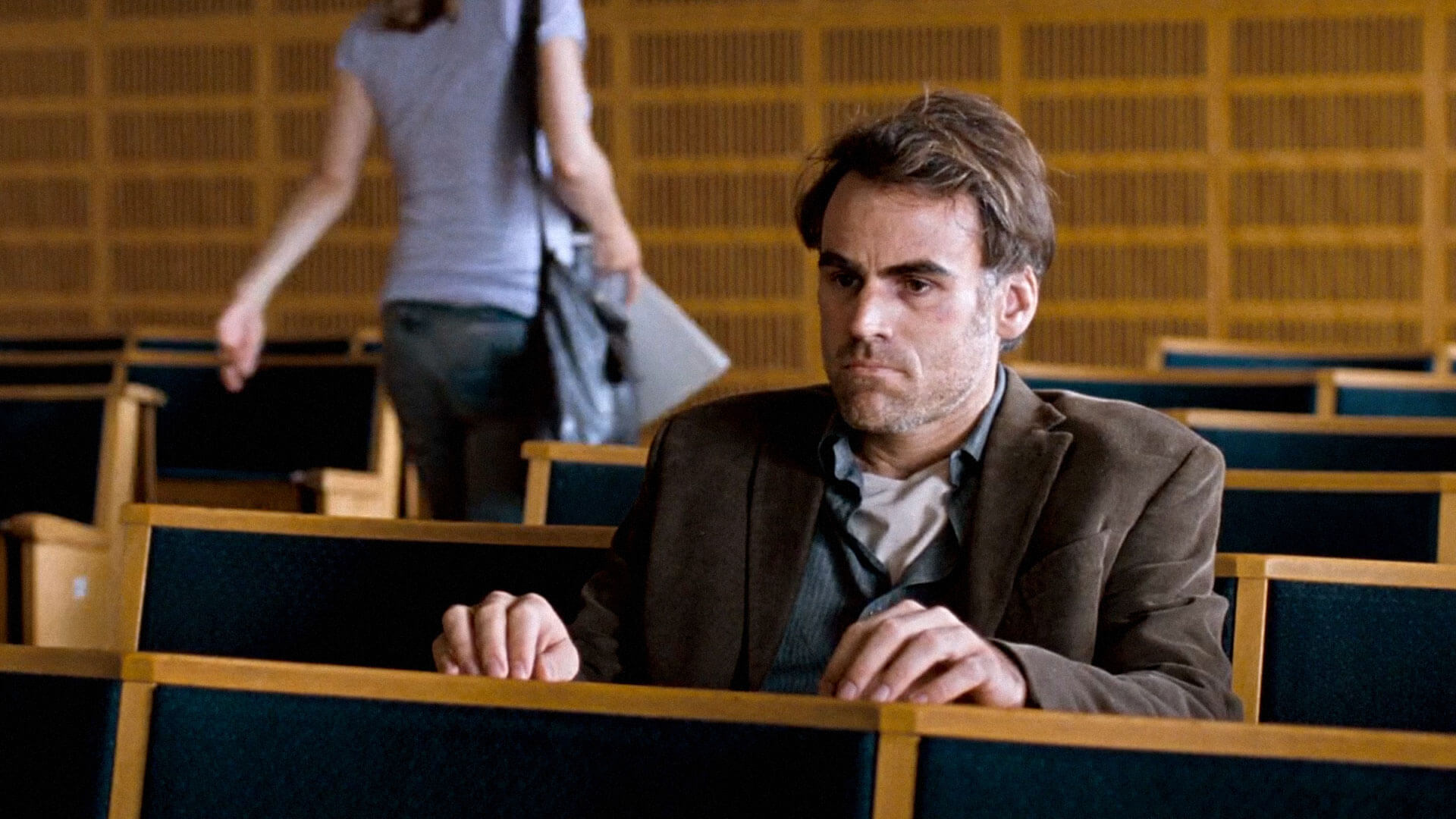
The mother who lost her daughter 23 years ago still lives in the same house, preserving her daughter’s room exactly as it was. The parents of the newly missing girl cling to hope that their daughter is still alive, while the father blames himself, believing she would still be with them if he had driven her that day instead of letting her ride her bicycle alone. The police detective remains obsessed with the case he couldn’t solve. And then there’s the man who knows the killer’s true identity, drowning in guilt despite not being the perpetrator himself.
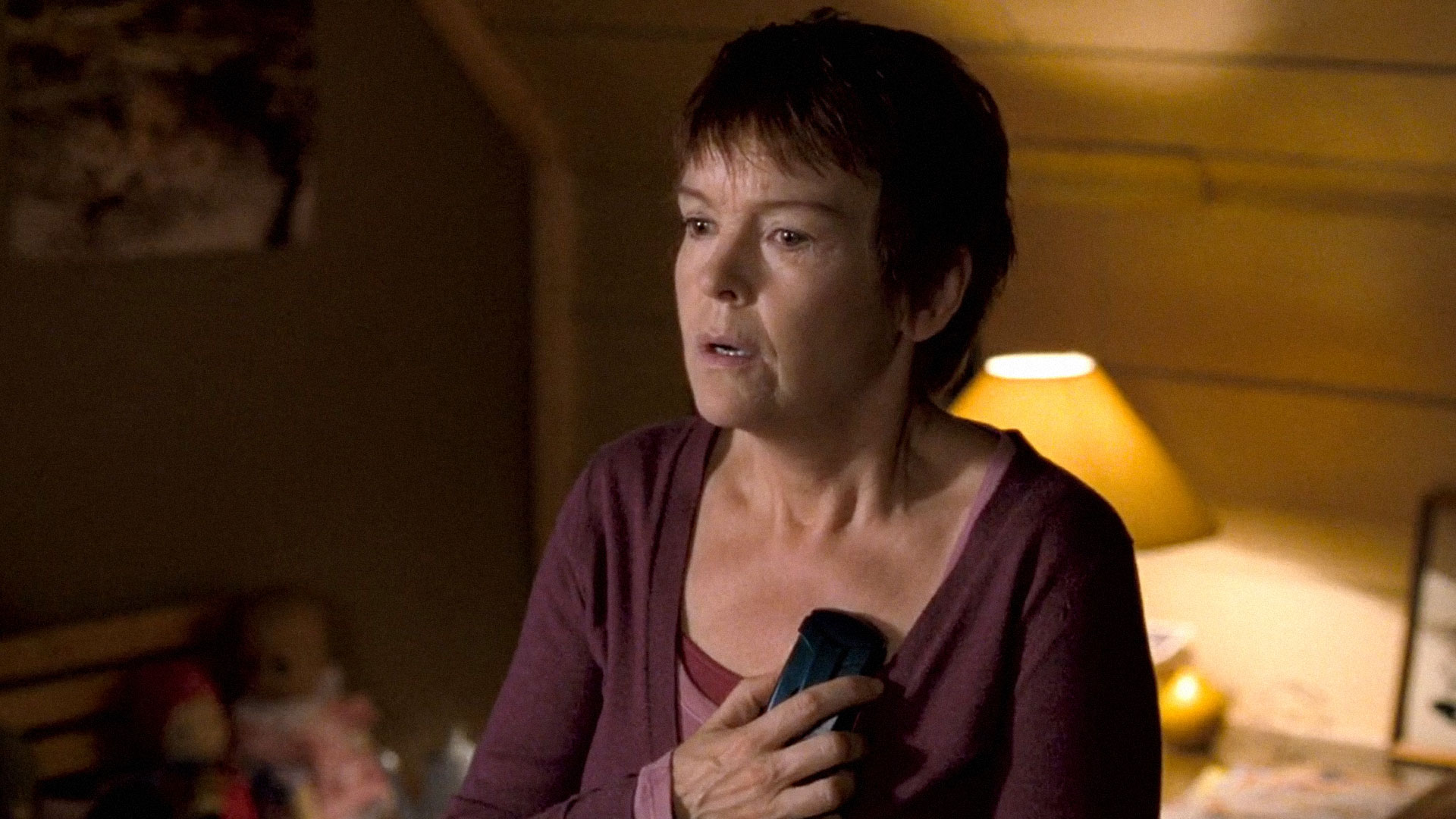
Das letzte SCHWEIGEN is an outstanding crime film, excelling in its visuals, storytelling, soundtrack, and the performances of the entire cast, who all embodied their roles perfectly. I particularly loved the ending — where, ultimately, no one ever discovers the true identity of the villain.
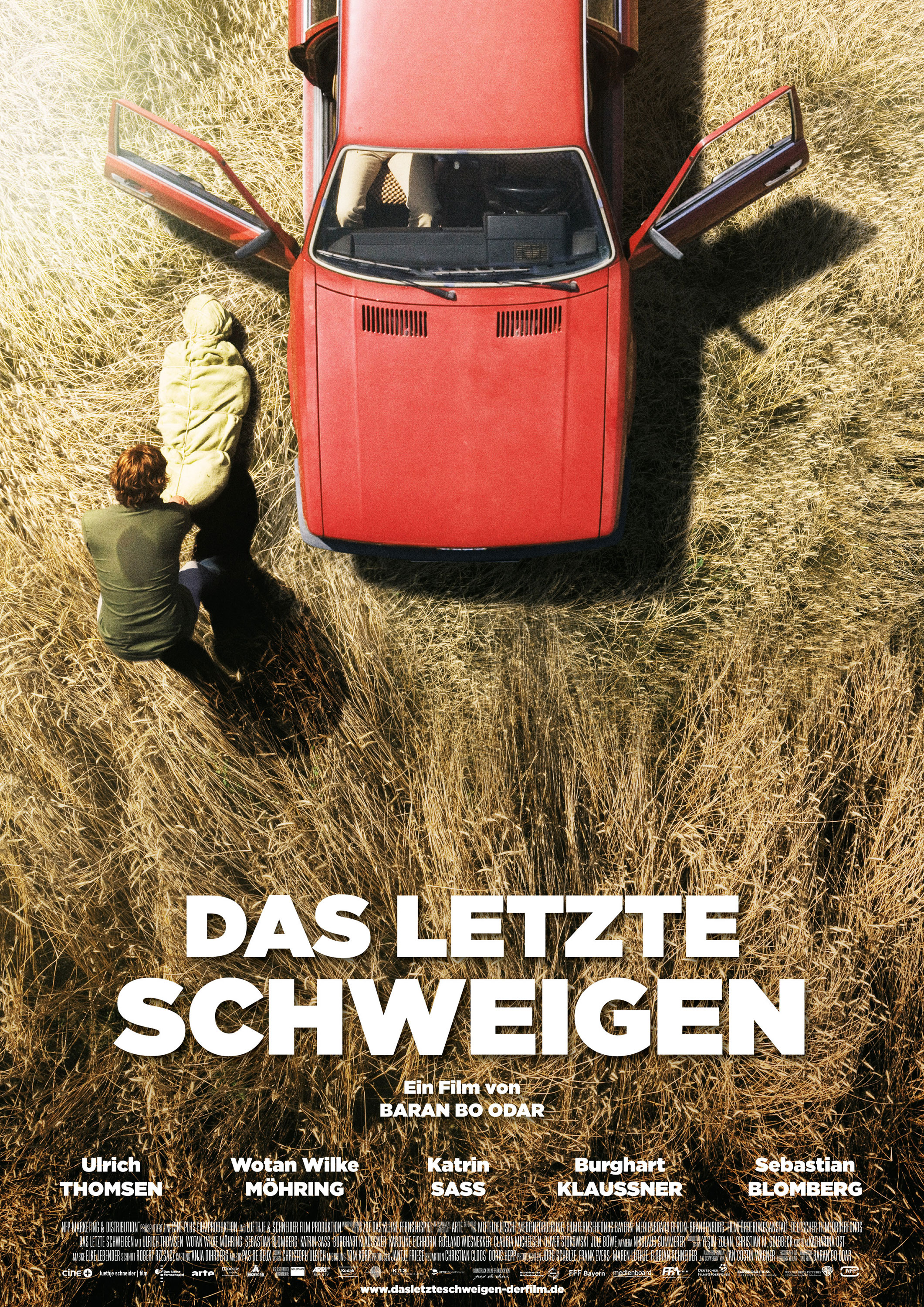
Das letzte SCHWEIGE premiered at Filmfest München on 1 July 2010. The film was theatrically released in Germany on 19 August.
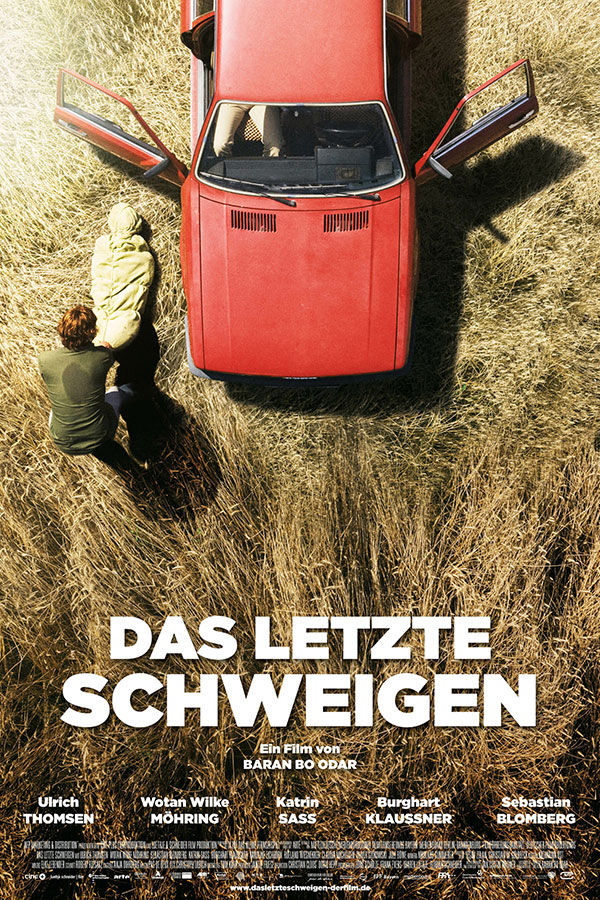
Das letzte SCHWEIGEN (2010)
Ein Film von Baran bo Odar